


Does Juicing Remove Nutrients? What Science Says About It
October 05, 2026
When I first started making fresh juice at home, I found myself staring at a little pile of leftover pulp and asking: does juicing remove nutrients from the fruits and vegetables I just prepped?
It’s a fair question. Seeing all that solid plant material in the pulp container makes it easy to assume the best parts ended up in the trash. The short answer is that juicing changes how nutrients are delivered, but it does not leave your glass empty.
Here is a realistic look at what stays in your juice, what gets left behind, and how extraction works in daily life.
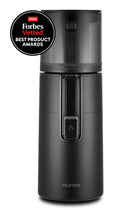
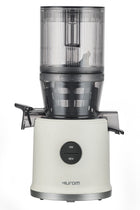
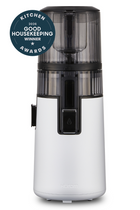
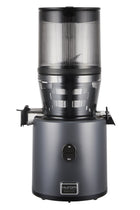
Pro tip: Two juices made from the same fruits and vegetables can turn out differently depending on how they’re made. Hurom slow juicers, for instance, gently press the produce to extract the juice. Later on, we’ll look closely at how that method can impact what ends up in your glass.

Does Juicing Remove Nutrients?
Yes, juicing removes some nutrients, but it does not strip away all value from your produce.
When you make fresh juice, the extraction process separates the liquid portion of fruits and vegetables from the solid pulp. Because certain vitamins, minerals, and plant chemicals are bound to the structural fiber of the plant, part of those nutrients remains in the pulp container.
Removing nutrients from the solid pulp is different from nutrients breaking down over time. The physical separation happens instantly during extraction, whereas the gradual decline of sensitive compounds occurs as the juice sits in your kitchen.
Here is a quick breakdown of what happens to your produce during extraction:
-
What remains in the juice: Water, natural sugars, minerals, many vitamins, and soluble plant chemicals pass directly into the liquid.
-
Nutrients left in the pulp: Insoluble fiber is left behind, along with smaller amounts of vitamins and minerals attached to that fibrous cell structure.
-
What may decline after juicing: Light- and air-sensitive nutrients, such as vitamin C, can degrade if the juice is left exposed to oxygen or at room temperature.
-
Factors that affect the final result: Ingredient freshness, extraction speed, preparation, and storage habits directly influence nutrient stability.
Removing fiber changes how your body processes the drink, but the juice still contains nutrients. Research published in Nutrition Reviews notes that, in U.S. dietary data, drinking 100% fruit juice is associated with better nutrient adequacy and overall diet quality.
Even if that data is about store-bought juices, fresh juice made at home can also contribute vitamins and minerals to your diet. Also, it offers a distinct nutritional format rather than an empty one.
Which Nutrients Are Most Affected by Juicing?
Juicing affects different components of fruits and vegetables in different ways. Some nutrients remain stable throughout the process, while others are reduced during extraction or degrade shortly after.

What Happens to Fiber?
The most noticeable change during the process is that juicing does remove insoluble fiber. This is the roughage that adds bulk to stool, aids the digestive system, and slows down how quickly your body absorbs natural sugars.
When you juice, most of that insoluble fiber moves straight into the pulp basket. A small amount of soluble fiber and fine pulp remains in the liquid, depending on your machine's strainer design.
Removing insoluble fiber makes the drink lighter and easier to consume in larger quantities. On the flip side, keeping the fiber intact helps support long-term gut health. A study published in Nutrients notes that removing insoluble fiber through juicing can diminish specific digestive benefits compared to eating whole plant foods.
If your main goal is keeping a high insoluble fiber intake, eating whole produce is your best bet.
Which Vitamins Are More Sensitive?
Not all vitamins handle air and light exposure equally well. Water-soluble nutrients, particularly vitamin C and certain B vitamins, are sensitive to oxygen.
When produce is sliced or pressed, plant cells open up and come into contact with oxygen. This contact initiates a slow breakdown of sensitive vitamins.
That doesn’t mean these nutrients disappear right away. A fresh glass of orange or kale juice still contains high levels of vitamin C. However, the longer that glass sits on your counter, the more those sensitive levels decrease.
What Happens to Minerals and Plant Compounds?
Essential minerals like potassium, magnesium, and calcium are sturdy. They are not destroyed by air, light, or mild mechanical pressure. These minerals pass smoothly from the produce into your glass without significant loss.
Antioxidants and plant chemicals, such as flavonoids and carotenoids, also transition into the liquid in high amounts. The exact yield depends on the freshness of your produce, if you incorporate edible skins, and how gently the liquid is extracted from the cell walls.
Pro Tip: Don't let that insoluble fiber go to waste! You can easily repurpose your leftover vegetable and fruit pulp into fiber-rich foods. Check out our guide on what to do with leftover juicer pulp for recipes that turn pulp into tasty crackers, muffins, soup bases, and more.
Is Juicing or Blending Better for Nutrient Retention?

I often get asked if blending is better than juicing for keeping nutrients intact. Well, these methods serve different roles in a healthy routine.
Here is how the two methods compare in daily use:
| Comparison Point | Juicing | Blending |
|---|---|---|
| Fiber | Removes much of the insoluble fiber | Keeps the whole edible ingredient |
| Texture | Lighter and easier to drink | Thicker and more filling |
| Produce quantity | Can fit more produce into one serving | Usually uses a smaller volume |
| Natural sugars | Easier to consume quickly | Fiber may support slower absorption |
| Best fit | Fresh, produce-forward drinks | Whole-food drinks and smoothies |
Juicing extracts the liquid portion of produce. This allows you to pack a larger volume of fruits and vegetables into a single glass. If eating two cucumbers, three stalks of celery, and a handful of spinach feels overwhelming, juicing turns that produce into a light drink you can finish in minutes.
Meanwhile, blending mixes the edible parts of the fruits and vegetables in your drink, including all the insoluble fiber. This creates a thicker smoothie that stays in your stomach longer.
Fresh juice works best when it complements whole produce rather than replacing it entirely. The right choice for your kitchen depends on your daily habits, your digestive comfort, and the texture you enjoy most.
Pro Tip: If you're still torn between smoothies and cold-pressed drinks for your daily routine, read our deep dive on juicing vs. blending to see which method aligns best with your health goals.
What Causes Nutrient Loss After Juicing?
Nutrient loss rarely happens all at once. Instead, specific environmental conditions start to lower the quality of your juice after you cut or press your produce.
How Does Oxidation Affect Fresh Juice?
Oxidation is the natural chemical reaction that begins the moment fruit or vegetable cells open up and meet oxygen.
When you cut or squeeze produce, oxygen reacts with plant enzymes. Over time, this reaction alters the color, texture, and flavor of the liquid. You might notice a green juice separating into distinct layers or an apple recipe turning brown.
This exposure gradually breaks down air-sensitive compounds like vitamin C. However, oxidation does not ruin a drink in seconds. A freshly made glass retains plenty of value, though drinking it soon after extraction limits this natural decline.
Does Heat Destroy Nutrients During Juicing?
Heat can alter delicate vitamins, but it helps to separate minor friction from high cooking temperatures. Commercial pasteurization uses high heat to extend shelf life, which alters heat-sensitive nutrients.
Most home juicers generate only mild warmth during operation. While high-speed motors create slightly more friction than slow-moving parts, the temperature rise during a quick session is rarely high enough to cook or destroy nutrients instantly.
Still, minimizing heat during juice extraction helps preserve raw, fresh flavors and keeps temperature-sensitive vitamins stable.
How Do Light and Storage Time Affect Juice?
Light and time work together to lower nutrient levels in stored juice.
Direct exposure to light accelerates the breakdown of sensitive plant compounds. Leaving fresh juice in a clear glass on a bright kitchen counter speeds up this process.
Storage time also plays a major role. As juice sits, any oxygen trapped inside the bottle continues to react with the liquid. Keeping your juice cold in the refrigerator slows down enzyme activity, helping the drink stay fresh and enjoyable for longer.
Does the Type of Juicer Make a Difference?

The appliance sitting on your counter plays a clear role in how much nutrient degradation happens during juice extraction.
Different machines use different mechanics to separate liquid from pulp.
Centrifugal Juicing vs. Slow Juicing: How Do These Methods Differ?
Traditional high-speed models, known as centrifugal juicers, use fast-spinning blades to chop produce and push the liquid through a mesh screen. This process is quick, but the rapid spinning action pulls a significant amount of air into the chamber. That added air mixes with the juice, creating foam and introducing oxygen into the liquid.
Slow masticating juicers take a different approach. Instead of using blades, slow juicers gently press fruits and vegetables to release their juice. Less air gets mixed in during the process, giving you a smooth drink you can enjoy right away or store in the fridge for later.
Research supports this. A study published in Food Science and Engineering found that centrifugal extraction methods formed air bubbles that accelerated oxidation and caused rapid layer separation. Meanwhile, cold-press juicers yielded stable, homogeneous juice without immediate separation.
How Hurom’s Slow Squeeze Technology Helps Preserve Nutrients
I’ve noticed that the way a machine handles produce changes the entire experience. Hurom designed its patented Slow Squeeze Technology to mimic hand-squeezing fruit rather than shredding it.
By rotating at low RPMs, Hurom juicers gently press liquid out of fruits, vegetables, leafy greens, and nuts. This slow pressure keeps friction low and minimizes exposure to air during extraction.
The result is a rich juice with vivid color, natural flavor, and stable nutrient levels. Plus, Easy Clean juicers feature strainer-free designs that wash off under running water in seconds, taking away the hassle that usually keeps people from juicing every day.
Pro Tip: Want to see how slow extraction compares to traditional high-speed methods in real time? Check out our masticating juicer vs. centrifugal juicer breakdown to see how oxidation and heat affect daily juice quality.
How Can You Preserve More Nutrients When Juicing?

You don’t need an overly complicated routine to protect the vitamins and minerals in your glass. A few simple tweaks to your preparation and storage habits go a long way.
-
Drink it fresh when possible: Enjoying your juice right after pressing gives you maximum flavor and keeps air-sensitive vitamins like vitamin C intact.
-
Store liquid in airtight glass containers: If you make juice ahead of time, fill a glass juice jar to the very top to leave minimal room for trapped oxygen, then seal it tightly.
-
Keep your produce cold: Chill your fruits and vegetables in the refrigerator before juicing. Cold temperatures slow down enzymatic reactions and help preserve fresh taste.
-
Add a splash of citrus: Squeezing a bit of lemon or lime into your recipe adds natural vitamin C, which acts as an antioxidant to slow down oxidation.
-
Keep edible skins on: Wash apples, cucumbers, and pears thoroughly, but leave the skins on. Many plant compounds and minerals are concentrated just under the skin.
-
Balance your ingredients: Aim for a mix that favors vegetables like celery, cucumber, and leafy greens over high-sugar fruits to keep blood sugar response steady.
Small habits like these add up quickly. You do not need to follow every single step every morning to see results, but picking two or three that fit into your daily routine helps keep your juice vibrant, crisp, and packed with nutrients.
Pro Tip: Want to maximize antioxidant intake without causing blood sugar spikes? Start with , green vegetable bases like kale and cucumber, then add a little fruit or lemon to balance the flavor. Our green juice recipe guide has plenty of combinations to try.
Bottom Line: Juicing Turn Fresh Ingredients into Pure Daily Nutrition
As you can see, juicing removes much of the insoluble fiber and some nutrients that stay with the pulp. But the juice still contains water, vitamins, minerals, and plant compounds. So, it’s a different way to enjoy fruits and vegetables, not a nutritionally empty one.
Also, whole produce remains important for fiber, and fresh juice can add variety to your routine. For the best experience, start with fresh ingredients, drink your juice soon after making it, or store it in a sealed container in the fridge.
If you’d like to make fresh juice at home more often, check out Hurom’s catalog to find the right model for your routine.
FAQ
Does juicing remove fiber completely?
Juicing removes most insoluble fiber, which is the solid roughage that stays in the pulp container. However, small amounts of soluble fiber pass through the strainer into the liquid, giving your body a gentler form of fiber that dissolves in water.
Is cold-pressed juice better than regular juice?
Cold-pressed juice incorporates less air during extraction compared to high-speed methods. This lowers oxidation, reduces foaming, prevents early separation, and helps sensitive vitamins stay stable for longer storage.
How long does fresh juice keep its nutrients?
Fresh juice holds most of its nutritional value within the first 24 hours. When stored in an airtight glass jar in the refrigerator, cold-pressed juice can maintain good quality and taste for up to 72 hours.
Does juicing cause blood sugar spikes?
Because juicing removes the insoluble fiber that slows down digestion, natural sugars enter the bloodstream more quickly. You can manage this by focusing on vegetable-heavy recipes and pairing your juice with meals that contain protein or healthy fats.
What can I do with leftover juicing pulp?
You can repurpose clean vegetable pulp by mixing it into soups, stews, veggie burgers, or cracker recipes. Fruit pulp works well in muffins or quick breads, adding moisture and extra fiber back into baked goods.
Does heat from a juicer destroy nutrients?
Friction heat from home juicers is generally minor and doesn’t reach temperatures high enough to cook or destroy nutrients instantly. Air exposure during extraction is a much bigger factor in nutrient loss than temperature.
Is blending healthier than juicing?
It depends on what you’re looking for.. Blending keeps all the fiber intact to create a filling smoothie, while juicing removes much of that fiber, giving you a lighter drink made from fruits and vegetables.
Which produce holds onto nutrients best when juiced?
Hard root vegetables like carrots and beets, along with dense leafy greens like kale and spinach, retain their minerals and antioxidants exceptionally well during extraction.