


7 Delicious Cucumber Juice Recipe Ideas for Everyday Wellness
January 22, 2026
I’ve noticed more people cutting back on sugary drinks lately. It’s usually not a dramatic reset. Instead, it shows up as small swaps that feel better day to day. So, a cucumber juice recipe fits that shift naturally. It’s light, fresh, and easy to keep in rotation without turning it into a big wellness project.
That’s where cucumber juice starts to stand apart from cucumber water. Cucumber water is great when you want something subtle. But cucumber juice gives you more flavor and more room to play with add-ins like citrus, herbs, and a little fruit. That extra range matters when you want a habit that feels enjoyable enough to stick.
The cucumber juice benefits people care about usually start with oral health, like hydration, stimulating saliva, and more. From there, it often becomes part of routines that support skin appearance and lighter daily choices. And if juice for weight loss is on your radar, replacing sweet drinks is a realistic place to begin.
With that in mind, today I’ll share seven variations with you. Each one uses simple ingredients and clear steps, so you can choose the option that fits your routine without overthinking it.
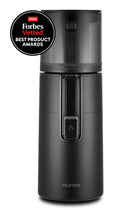
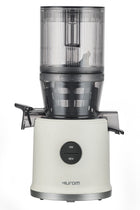
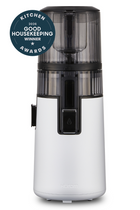
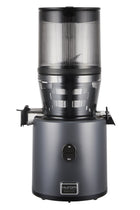
Pro tip: If you’ll be making these regularly, a Hurom slow juicer keeps things consistent. Its Slow Squeeze technology method preserves fresh flavor, and Easy Clean models rinse fast. That way, you’re more likely to keep the habit going.

Cucumber Juice Benefits You Should Know
Cucumber has a lot of benefits, and it’s worth slowing down to look at them more closely.
I always come back to cucumber juice because it hydrates without bringing a lot of calories. And science can back me up here as well. Cucumbers are made up of around 95% water, according to a study in India. That’s why its juice feels so refreshing and light.
The same study talks about how cucumbers are also low in calories (about 15 calories per 100 grams). This supports a lighter drink choice if you’re cutting back on liquid calories.
Cucumbers also contain nutrients that show up in small but useful ways. You’ll find Vitamin K, along with minerals like potassium and magnesium, plus vitamins A and C. Vitamin C supports collagen production, while Vitamin A plays a role in skin maintenance, both of which matter over time rather than all at once.
Because of that, many people today are looking for a cucumber juice recipe for glowing skin. But as I’ve said before, it’s not about overnight results. Consistent hydration and regular nutrient intake help skin look more balanced and resilient over time.
When it comes to juice for weight loss, the cucumber fits naturally into that conversation. If you replace soda or sweet bottled juices a few times a week, you cut down on sugar and extra calories without feeling deprived. That’s a small change you can keep.
And there’s just one more thing that I want to share with you. Remember that eating a cucumber unpeeled can help you keep more fiber and nutrients, since peeling reduces fiber and some vitamins and minerals.
Pro tip: If you want more ideas beyond cucumber juice, these anti-inflammatory juice recipes are a solid reference for flavor combos that stay fresh and veggie-forward. They’re easy to mix into the same weekly rotation.What You Need To Make A Cucumber Juice Recipe At Home

You can follow almost any cucumber juice recipe with basic tools. What changes from method to method is the texture, the clarity, and how easy the routine feels to maintain. That difference matters more than people expect. So, let’s see why.
Conventional Juicer
A conventional juicer separates juice from pulp, which gives you a clearer drink with less fiber. It’s simple, and it’s a good option if you want a light texture. The trade-off is that some high-speed machines can introduce more air, and that can affect taste and freshness.
Blender
A blender keeps everything in the glass. The result is thicker and more filling, so you might find it closer to a smoothie than a juice. This can work well if you don’t own a juicer, but it does change the experience. The flavor can feel heavier, and the texture can be more intense if you add greens.
Slow Juicer or Cold-Press Juicer
This is the method I prefer for cucumber juice. A slow juicer presses ingredients gently, with less heat and less air. That matters for flavor and for texture as well. The juice feels smoother, cleaner, and easier to sip, almost like a light electrolyte drink you can adjust to your taste.
If you already have a Hurom juicer, you’ll notice how fast this can be. The patented Slow Squeeze technology presses at low RPM, which helps keep the juice tasting fresh. You also don’t need to chop ingredients into tiny pieces, which makes the routine feel less annoying on busy days.
After all, clean-up is usually the dealbreaker for people who stop juicing. That’s why the Hurom Easy Clean line is worth mentioning. Models like the H70, H310, and H400 remove traditional strainers, so you’re not stuck scrubbing a mesh filter. A quick rinse can be enough, and that’s what makes a cucumber juice recipe feel easy to repeat.
Over time, that consistency matters, whether your focus is weight management or a simple lifestyle modification you can stick with.
Pro Tip: If you’re picking a juicer to make these regularly, this guide on the best vegetable juicers highlights models that handle cucumber, greens, and firm veggies with ease.
Fruits, Veggies, and Add-ins That Pair Well with Cucumber
Cucumber is a quiet base because it doesn’t fight other flavors. Instead, it softens sharp greens, keeps blends refreshing, and helps you control sweetness. That balance matters if you want cucumber juice benefits without ending up with something that tastes like dessert.
So, here are the ingredients I reach for most, grouped by what they add to the glass.
Fruits That Keep It Light
These fruits add flavor and nutrients without pushing sugar too high when used in reasonable portions. The key is restraint and pairing them with the cucumber’s naturally mild base. They have a lot of benefits:
-
Green apple: Adds a crisp tang and gentle sweetness. It contains pectin, a type of soluble fiber that supports digestive health and helps juices feel more balanced.
-
Pineapple: Bright and tropical. It provides Vitamin C, which supports the immune system and collagen production, and brings enzymes that support digestion.
-
Lemon and lime: Low in sugar and high in Vitamin C. They help sharpen flavor and support skin appearance when paired with hydration.
-
Honeydew: Very high in water content and naturally mild. It adds freshness and light sweetness without weighing the juice down.
-
Kiwi: Provides fiber and Vitamin C in a small serving. It adds a sharper note that works well with cucumber and greens.
-
Blueberries and grapes: Both contain polyphenol compounds linked to antioxidant activity. They add color and flavor, but they raise the sweetness quickly, so use small amounts.
Veggies That Make Your Juice More Satisfying
Vegetables are what keep a cucumber juice recipe filling without relying on fruit. They add volume, nutrients, and structure to the glass. So, here are their benefits:
-
Celery: Very hydrating and a natural source of potassium. A medium stalk (about 7-8 inches long) of celery delivers approximately 105 mg of potassium, which helps balance fluids in the body. It adds a clean, savory note.
-
Spinach: Mild and easy to drink. It provides vitamins A and C. It also provides more than 121% of the Vitamin K should consume each day. Spinach also offers magnesium, which supports muscle function and digestion.
-
Kale: Stronger in flavor, but nutrient-dense. It contributes fiber and vitamins A, C, and K, and cucumber helps soften its intensity.
-
Romaine: Lighter than kale, with high water content and a gentle green taste. It helps boost volume without heaviness.
-
Dandelion greens: Naturally bitter and rich in bioactive compounds. When you use them in small amounts, they add complexity and pair well with cucumber, apple, and citrus.
Veggie-forward blends also make it easier to support juice for weight loss habits and steadier blood glucose levels. This is because they keep calories and sugars in check while still feeling substantial.
Flavor Boosters That Change Everything
These add-ins don’t just change taste. They also add functional value when used in small amounts. Here’s what you’ll get:
-
Ginger: Contains compounds linked to digestive comfort and reduced stomach discomfort. It also adds warmth and depth.
-
Mint: Cooling and refreshing. It’s commonly associated with easing digestive tension and keeping flavors clean.
-
Parsley or cilantro: Both provide antioxidants and a fresh herbal note. They also pair well with a cucumber’s mild profile.
-
A small pinch of sea salt: Helps bring flavors forward and can improve the overall balance of cucumber and citrus.
-
Seeds like chia or flax (in specific cases): When hydrated, they provide fiber and support gut health. These work best in blended juices or when texture is the goal.
This mix of ingredients is what keeps a cucumber juice recipe flexible. It lets you focus on hydration one day, flavor the next, and still stay within a light, repeatable routine you can actually maintain.
How to Make Cucumber Juice: Ingredients and Steps (7 Delicious Recipes)

Before we get into the recipes, let’s keep the mindset simple.
Cucumber is an easy base. It blends well, stays light, and adapts to whatever direction you want to take the flavor. That flexibility is what makes these variations easy to repeat, instead of feeling like one-off experiments.
With that in mind, here are the recipes.
1. Cucumber Juice Recipe for Glowing Skin
This is one of the cleanest ways to start. It’s light, fresh, and easy to drink at any time of the day.
Why it works:
Cucumber brings hydration, which supports skin hydration and skin appearance over time. Lemon adds Vitamin C, linked to collagen synthesis, while mint keeps the flavor crisp and refreshing without adding sugar. Together, this combination supports routines focused on balance and long-term skin elasticity rather than quick fixes.
Ingredients:
-
1 large cucumber
-
1 lemon, peeled
-
A handful of fresh mint
Preparation:
-
Juice all ingredients with your extractor.
-
Stir gently.
-
Drink fresh or slightly chilled.
2. Cucumber Juice for Weight Loss
This one stays fully on the savory side. It’s light, refreshing, and easy to come back to, especially if you’re trying to cut back on sweeter drinks.
Why it works:
Celery keeps the juice low in natural sugars while adding volume and freshness. This makes it a smart alternative to soda or bottled juices. Ginger brings a subtle kick and supports digestion, which can help this blend feel more satisfying despite its light profile.
Ingredients:
-
1 large cucumber
-
2 celery stalks
-
½ to 1 inch fresh ginger
-
Optional: ½ lime, peeled
Preparation:
-
Juice everything together.
-
Taste and adjust with lime if needed.
3. Liver Flush Green Juice
I found that this is a bolder green juice with a more pronounced edge. It’s balanced with cucumber so it stays fresh and drinkable.
Why it works:
Dandelion greens bring a naturally bitter profile and contain antioxidant and anti-inflammatory compounds that have been studied for their role in supporting liver health. Green apple helps soften the bitterness, while cucumber keeps the blend light and easy to drink.
Together, the mix fits well into routines that focus on hydration and broader plant intake while helping manage oxidative stress.
Ingredients:
-
1 cucumber
-
1 green apple
-
1 lemon, peeled
-
Small handful of dandelion greens (or romaine for a milder taste)
Preparation:
-
Juice greens first.
-
Add cucumber, apple, and lemon.
-
Stir and drink fresh.
4. Blueberry, Cucumber, and Grape: Antioxidant and Rehydrating Juice
This one leans fruity but stays refreshing when the cucumber takes the lead. The overall profile remains light enough to enjoy without feeling heavy or overly sweet.
Why it works:
Blueberries and grapes are rich in polyphenols, which are compounds commonly linked to antioxidant activity. When you use them in moderate amounts, they add natural flavor and nutrients without tipping the juice into dessert territory.
And when you combine it with cucumber, the result is a balanced blend that fits well into hydration-focused routines, with a bit of antioxidant support.
Ingredients:
-
1 cucumber
-
½ cup blueberries
-
½ cup grapes
-
Optional: squeeze of lime
Preparation:
-
Juice the cucumber first.
-
Add blueberries and grapes.
-
Finish with lime if desired.
5. Cucumber, Kale, and Pineapple Juice for Digestive Support
This recipe from the wellness and lifestyle creator Derrian Jamecia combines bold greens with tropical fruit, balanced by cucumber. The result is vibrant, slightly spicy, and still easy to drink.
Why it works:
Pineapple brings natural sweetness along with Vitamin C and enzymes commonly associated with digestive support. Kale adds a dense mix of vitamins, including A, C, and K, which contribute to the juice’s overall nutrient profile.
Also, ginger rounds things out with gentle warmth. This gives the blend a more grounding finish without overpowering the greens. Here’s a visual guide showing how to do this:
Ingredients:
-
1 bunch kale
-
1 whole pineapple
-
1 cucumber
-
2 small pieces of ginger
Preparation:
-
Juice the kale and the cucumber first.
-
Add pineapple and ginger to the juicer.
-
Stir gently and enjoy.
6. Cucumber Detox Drink for Daily Hydration
This blend is inspired by the content creator Cecilys Natural. It focuses on hydration with layered flavor. And I love that it feels light, refreshing, and easy to return to day after day.
Why it works:
This blend starts with a cucumber base and builds on ingredients you’ve already seen, keeping hydration and plant variety at the center of a detox-focused routine. Kale and spinach provide compounds involved in normal liver function.
Meanwhile, citrus rounds it out with Vitamin C, which supports the body’s natural detox pathways and helps maintain healthy blood volume through steady hydration.
Ingredients:
-
1 cucumber
-
½ cup pineapple, chopped
-
1 green apple
-
1 cup kale, loosely packed
-
1 cup spinach, loosely packed
-
½ lime, peeled
-
½ lemon, peeled
Preparation:
-
Juice greens first.
-
Add cucumber, apple, and pineapple.
-
Finish with lime and lemon.
7. Mini Cucumber Sweet Green Juice
This homemade green juice from the home cooking creator Kaitlyn Meslin balances light sweetness with a cucumber-forward base. It’s a softer option that still keeps things fresh and clean.
Why it works:
Mini (Persian) cucumbers offer the same hydrating base as the large ones, with added nutritional density by providing Vitamin K, Vitamin C, and potassium. Meanwhile, honeydew contributes extra fluid content and light sweetness.
Green apple and lime keep the profile balanced, which adds brightness and a subtle vegan flair without tipping sweetness too far. So, here’s how to do it:
Ingredients:
-
¾ Granny Smith apple
-
3 mini cucumbers
-
1 cup honeydew cubes
-
½ lime
Preparation:
-
Juice cucumbers and an apple first.
-
Add honeydew.
-
Finish with lime.
Pro tip: If you enjoy cucumber paired with leafy greens, here is a collection of the best green juice recipes that stay balanced and tasty.
How to Fit These Cucumber Juice Recipes Into Your Day
Cucumber juice works best when it fits into your routine instead of taking it over. And I don’t think of it as something you need every day. A few intentional moments during the week are usually enough for your health.
These are the times I see people reach for it most frequently:
-
In the morning: Some people like cucumber juice first thing, especially lighter recipes with lemon, celery, or greens. It can feel refreshing before breakfast, particularly if you don’t enjoy heavy food early in the day.
-
Between meals: This is one of the easiest swaps. Instead of reaching for soda or a packaged drink, a cucumber juice recipe gives you hydration and flavor without the sugar spike. It’s a simple way to keep energy steady in the afternoon and support circulation that keeps your blood vessel function working efficiently.
-
After a workout: Cucumber’s high water content supports rehydration, especially when paired with celery, citrus, or leafy greens. It’s light enough to drink without feeling weighed down.
For most people, a few servings a week is plenty. Daily juice can work too, but variety matters. So, rotating recipes helps avoid flavor fatigue and keeps sugar intake balanced, which also supports healthier serum lipids over time.
A few gentle cautions:
-
Avoid replacing all meals with juice.
-
Adjust fruit portions if you’re watching your sugar or calorie intake.
-
If you have a medical condition or specific dietary needs, make sure to talk with a healthcare professional.
It helps to keep expectations realistic. Cucumber juice supports hydration and lighter choices, but it works alongside regular meals that include protein, healthy fats, and fiber from whole foods.
Make Cucumber Juice a Practical Daily Option
A cucumber juice recipe doesn’t need to be complicated to be useful. Personally, I like starting with one simple base, then turning it into different variations depending on what I add and how I use it. That flexibility is what makes these seven recipes easy to keep in rotation instead of trying once and forgetting.
If you’re just getting started, pick one recipe and try it this week. Pay attention to what you enjoy, save the ones that work, and adjust the flavors so they fit your taste and your day.
And if you’re ready to make juicing part of your routine, take a look at Hurom’s catalogue to find the model that fits your kitchen and your pace.
FAQs
What happens if I drink cucumber juice every day?
For most people, daily cucumber juice supports hydration and can have a mild diuretic effect, so you may feel less puffy. Many also find it gentle for minor digestive issues.
As part of an overall diet, hydration and potassium-rich foods can support blood pressure and cardiovascular health, but cucumber juice isn’t a treatment for cardiovascular disease. If you manage chronic diseases or take meds, check with a healthcare professional first.
Is cucumber juice or cucumber water better for me?
Both can work. Cucumber water is lighter and more subtle. Cucumber juice has more body and tends to deliver more of the nutrients found in the whole vegetable, including vitamins A, C, and K.
If you want something more filling and flavorful, juice usually wins. If you just want a gentle hydration habit, cucumber water can be easier to keep up.
Can I use cucumber juice for weight loss?
When people talk about juice for weight loss, cucumber juice usually works best as a replacement for sugary drinks. Keeping cucumber as the base helps limit sugar and keeps blood sugar steadier than fruit-forward blends.
Does a cucumber juice recipe for glowing skin help my skin?
It can support skin appearance mainly through hydration, which matters for skin aging and overall skin hydration. Cucumber also brings Vitamin C, which is linked to collagen support, plus vitamins A and K. The changes people notice tend to be subtle and gradual, especially if you’re also sleeping well and eating a balanced diet.
How long does fresh cucumber juice last in the fridge?
Fresh cucumber juice is best within 24 hours in an airtight container. It can last up to 48 hours, but the flavor can fade, and separation becomes more noticeable. Store-bought cucumber juice can last longer because it’s processed, but it may include added ingredients, and it rarely tastes as clean as fresh.
What fruits should I mix with the cucumber if I want less sugar?
You should go for fruits that add brightness without pushing sweetness too high. Lemon, lime, and kiwi are solid picks. Also, green apple works well because it adds tang and balance. If you add pineapple, grapes, or honeydew, keep portions smaller, so the recipe stays light and doesn’t spike blood sugar as much.