



Vegan diet: How to start from scratch without overcomplicating things
marzo 13, 2026
Maybe you're thinking of trying a vegan diet. Or you've already reduced animal products and want to go a step further.
The first thing to know is this: it's not just about removing meat, eggs, or dairy. It's about learning to structure your meals intelligently.
When you do it right, you can meet your nutritional needs without complications.
In this guide, you will find a clear and practical explanation. What to eat, how to organize a basic menu, and which nutrients are worth monitoring to make your vegan diet sustainable over time.
Shall we take a look?
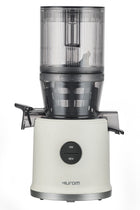
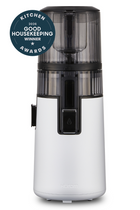
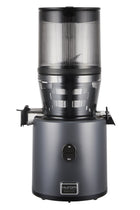
Pro tip: When following a vegan diet, not everything depends on what you eat, but on how you prepare it. Having a good extractor, like the Hurom models, can help you make the most of each ingredient. We'll talk about that later.

What is a vegan diet?
When we talk about a vegan diet, we refer to a way of eating that excludes all animal-derived foods. That includes meat, fish, seafood, eggs, dairy products, and even derived ingredients such as gelatin or honey.
In short: if it comes from an animal, it doesn't go on the plate.
So, what do you eat? Much more than you imagine. A well-organized vegan diet includes:
-
Vegetables
-
Fresh fruits
-
Legumes such as lentils, chickpeas, and beans
-
Whole grains
-
Nuts and seeds
-
Vegetable oils
-
Vegan products like tofu, tempeh, or some plant-based beverages
There are also vegan meat and cheese substitutes, although they are not mandatory. They can be useful at first, especially during the transition to veganism, but the basis should be real, varied food.
It's important to clarify something here: A vegan diet is not the same as simply giving up animal protein. If you only eliminate meats and dairy products without planning what replaces them, you may fall short on key nutrients.
That's why so much is said about organization. It's not complicated, but it does require attention.
Differences between vegan, vegetarian, and plant-based diets
Many times these terms are used as if they were the same, but they are not. Understanding the difference helps you decide which approach best suits you.
We can see it this way:
-
Vegan diet: Excludes all animal-derived foods. It does not include meat, fish, eggs, dairy products, honey, or their derivatives. It is the strictest form of plant-based eating.
-
Vegetarian diet: Eliminates meat and fish but may include some animal-derived products depending on the variant.
-
Lacto-vegetarian: includes dairy.
-
Ovo-vegetarian: includes eggs.
-
Lacto-ovo vegetarian: includes both.
-
Plant-based approach: Prioritizes plant foods, but does not always 100% exclude animal proteins. Many people use it as a transition to veganism or as a less restrictive way to improve their diet.
It is also important to distinguish between vegan eating and vegan lifestyle.
The first refers only to what you eat. The lifestyle includes broader decisions, such as avoiding animal-derived products in clothing or cosmetics.
Having this clear overview avoids confusion and unrealistic expectations.
Vegan diet variants according to goals and lifestyle
Although all vegan diets eliminate animal products, not all are structured the same. Depending on your goals, you can find different ways to organize it.
The most common are:
-
Whole food plant-based diet: It is based on minimally processed foods. It prioritizes legumes, fruits, vegetables, whole grains, nuts, and seeds. It reduces ultra-processed foods and industrial substitutes.
-
Raw vegan diet: Most foods are consumed raw or at low temperatures. It is more restrictive and requires careful planning to ensure sufficient energy and plant-based protein.
-
High-protein vegan diet: Designed for those who strength train or seek to maintain muscle mass. It includes more legumes, tofu, tempeh, and strategic combinations to obtain complete proteins.
-
Low-fat vegan diet: Limits oils and nuts. It tends to focus on foods rich in complex carbohydrates and dietary fiber.
-
Alkaline vegan diet: prioritizes certain foods considered "alkalizing." It is one of the most debated variants and does not always have solid scientific backing.
What the scientific evidence says about these variants
Not all versions of the vegan diet have the same support. Some are better studied, and others require more caution.
This is what current data show:
-
According to Cleveland Clinic, a diet like the whole food plant-based diet is associated with a lower risk of cardiovascular disease, diabetes, obesity, and high cholesterol.
-
For a mostly raw vegan diet, evidence is limited. According to one study, consuming more than 90% of foods uncooked can increase the risk of deficiencies if not planned very carefully.
-
Regarding the high-protein vegan diet, studies suggest that plant proteins can support muscle mass and strength if consumed in sufficient quantity and well-combined.
-
In clinical studies, the low-fat vegan diet has shown reductions in weight and improvements in insulin sensitivity in some clinical studies.
-
Finally, the alkaline vegan diet often excludes entire food groups. This can lead to imbalances if not properly compensated.
In general, the evidence favors balanced and varied approaches. The more extreme the variant, the more attention it needs.

Potential benefits of the vegan diet
When a vegan diet is well-organized, the benefits can be clear. Not by automatically eliminating animal-derived foods, but by what you start to include: more fiber, more vegetables, more legumes, and less saturated fat.
That changes the outlook in several ways:
Cardiovascular health and lipid profile
A review of multiple studies found that vegan and vegetarian diets are often associated with better indicators related to cardiovascular health and a lower risk of heart disease.
Furthermore, a publication in the European Heart Journal showed that this type of diet reduces total cholesterol, LDL cholesterol, and apolipoprotein B compared to omnivorous diets. These are key markers in cardiometabolic risk.
Part of the explanation is simple: more dietary fiber and less saturated fat usually improve the lipid profile.
Of course, this depends on the quality of your diet. If it is based on vegan ultra-processed foods, the effect will not be the same.
Weight control and metabolic health
Another area where results have been seen is weight control.
A meta-analysis of clinical trials found that, after at least 12 weeks, vegan diets were associated with reductions in:
-
Body weight (around 4 kg on average)
-
Body mass index
-
Glycated hemoglobin (HbA1c)
-
Total cholesterol and LDL cholesterol
That's not all. In people with type 2 diabetes, recent research also observed improvements in glycemic control and body weight.
This is often related to higher fiber intake, lower caloric density, and reduced saturated fats.
Environmental and ethical impact
Beyond health, many people choose a vegan diet due to its environmental impact.
Research published in Frontiers in Nutrition indicates that a vegan diet can reduce the individual carbon footprint by up to 46% and decrease agricultural land use by 33%, while maintaining almost all essential human nutrients.
Reducing the consumption of animal products also reduces the use of natural resources. For some, this environmental impact is as strong a reason as the physical benefit.
Key nutrients to monitor in a vegan diet
A vegan diet can be balanced, but it doesn't work automatically.
A broad review of scientific studies indicates that, if the diet is not well-planned, there may be a risk of low levels of vitamin B12, iron, zinc, vitamin D, and even iodine.
These are the key nutrients:
-
Proteins and essential amino acids: Combining legumes with whole grains helps cover quality plant-based proteins.
-
Vitamin B12: It is not naturally present in plant foods. Here, vegan supplements or fortified foods are usually necessary.
-
Iron, calcium, and zinc: They are found in plant foods, but their absorption requires attention.
-
Omega 3 fatty acids: You can get omega 3 from seeds like chia or flaxseed.
-
Vitamin D: It largely depends on the sun. In some cases, vitamin supplements are recommended.
How to start a vegan diet safely
Starting a vegan diet doesn't have to be radical, but it also doesn't have to be perfect from day one. What it does need is a bit of organization.
Before making big changes, it's good to be clear about what you're going to eat. Eliminating animal protein is the first step. The next is to replace it well.
De hecho, la Academy of Nutrition and Dietetics (AND) señala que las dietas veganas bien planificadas pueden ser nutricionalmente adecuadas y aportar beneficios, incluso a nivel cardiometabólico.
La clave es esa: planificación. Aquí te cuento cómo puedes hacerlo.
Transición gradual o cambio inmediato
Algunas personas prefieren una transición al veganismo poco a poco. Reducen carnes primero, luego lácteos y después huevos. Esto suele facilitar la curva de aprendizaje.
Otras hacen el cambio completo de inmediato. También es válido, pero requiere más planificación desde el inicio.
Si estás empezando, una transición gradual puede ayudarte a ajustar tus hábitos sin sentir que todo cambió de golpe.
Planificación de la primera semana
Aquí es donde muchas personas fallan. Antes de comenzar, arma un pequeño menú semanal. Incluye:
-
Legumbres como base de proteína vegetal.
-
Cereales integrales.
-
Frutas.
-
Fuentes de omega 3 como semillas.
Tener estructura evita improvisar con opciones pobres en nutrientes. También ayuda revisar etiquetas, especialmente en productos veganos procesados.
Pro Tip: Si tienes dudas específicas o condiciones médicas, consultar con un nutricionista registrado puede darte tranquilidad.
Errores comunes al comenzar
Hay patrones que se repiten al comenzar una dieta vegana. Los más usuales son:
-
Comer muy poco al principio y sentir fatiga.
-
Depender solo de sustitutos de carne.
-
No prestar atención a la vitamina B12.
-
Pensar que todo lo vegano es automáticamente saludable.
Evitar estos errores hace que el proceso sea mucho más sostenible.
Dieta vegana: Menú base para principiantes
Cuando empiezas, tener una estructura diaria clara facilita todo. Créeme: no necesitas recetas complicadas.
Y aquí algo que a mí me ayuda mucho: incluir preparaciones frescas que aumenten la densidad de micronutrientes sin añadir volumen excesivo. Un jugo vegetal bien hecho puede marcar la diferencia.
Estructura diaria equilibrada
Un día base puede organizarse así:
Desayuno
-
Avena con frutas, semillas y mantequilla de nueces.
-
Tostadas integrales con aguacate y tomate.
-
Leche de avena o leche de almendras casera acompañando el desayuno.
-
Jugo verde fresco con espinaca, pepino, manzana y jengibre.
Un jugo preparado con extracción lenta conserva mejor el sabor natural y evita exceso de separación. Es una forma práctica de sumar vitaminas y apoyar la salud digestiva desde temprano.
Almuerzo
-
Bowl de garbanzos, arroz integral y vegetales asados.
-
Ensalada grande con quinoa, semillas y tofu.
Pro Tip: El tofu es una fuente útil de proteína vegetal y se adapta fácil a distintas recetas veganas. ¿Lo mejor de todo? Puedes prepararlo en casa. Aprende aquí cómo hacer tofu con un exprimidor Hurom.
Cena
-
Salteado de tofu con brócoli y zanahoria.
-
Pasta integral con salsa de tomate natural.
-
Sopa de garbanzos y calabaza como opción reconfortante y rica en fibra.
Snacks
-
Fruta fresca.
-
Yogur vegetal fortificado.
-
Nueces o semillas.
-
Pasta de berenjenas asadas untable con pan tostado.
-
Galletas de vegetales preparadas en casa.
Cómo ajustar el menú según objetivos personales
El menú base es solo el inicio. A partir de ahí, puedes hacer pequeños ajustes según lo que estés buscando en este momento.
Por ejemplo:
-
Control de peso. Da más espacio a verduras, legumbres y preparaciones con alta fibra. Los jugos vegetales pueden sumar micronutrientes sin añadir muchas calorías, siempre que no lleven azúcares añadidos como los jugos envasados.
-
Ganancia de masa muscular o entrenamiento de fuerza. Asegura proteína vegetal en cada comida. Tofu, tempeh, legumbres y bebidas vegetales pueden ayudarte a cubrir tus requerimientos diarios sin necesidad de porciones excesivas.
-
Mejorar perfil lipídico y salud cardiovascular. Prioriza alimentos reales, reduce productos veganos ultraprocesados y mantén buena cantidad de fibra dietética. Incluir semillas ricas en omega 3 también puede ser útil.
La estructura es flexible. Lo importante es que cada cambio tenga intención y no sea resultado de improvisación.
Plan de dieta vegana para hombre: Consideraciones específicas
Las necesidades nutricionales pueden variar según nivel de actividad, masa muscular y gasto energético. En hombres activos, estos factores suelen ser más altos, por lo que la planificación importa aún más.
Algunos puntos clave:
-
Requerimiento energético mayor: En promedio, los hombres adultos necesitan más calorías, especialmente si entrenan fuerza o tienen actividad física intensa. La clave es no quedarse corto en energía.
-
Proteína vegetal suficiente y bien distribuida: No pienses sólo en cubrir la cantidad total. Conviene repartir proteínas vegetales a lo largo del día para favorecer la recuperación y mantenimiento muscular.
-
Masa muscular y entrenamiento de fuerza: Si hay entrenamiento regular, aumenta la demanda de aminoácidos esenciales. Combinar legumbres con cereales integrales ayuda a mejorar el perfil proteico.
-
Hierro y zinc en hombres activos: Aunque el riesgo de deficiencia es menor que en mujeres en edad fértil, el entrenamiento intenso puede aumentar las necesidades. Incluir semillas, legumbres y alimentos ricos en vitamina C favorece la absorción.
Ejemplo orientativo de día completo
-
Desayuno: Avena con frutas, semillas y leche vegetal fortificada + jugo verde.
-
Comida: Bowl de lentejas, arroz integral y verduras asadas.
-
Snack: Yogur vegetal con nueces.
-
Cena: Tofu salteado con brócoli y quinoa.
El enfoque aquí es asegurar volumen suficiente de comida real y proteína vegetal distribuida.
Plan de dieta vegana para mujer: Factores clave y necesidades específicas
En mujeres, algunas variables cambian según la etapa de vida. El hierro, el calcio y ciertas vitaminas merecen más atención, especialmente durante edad fértil, embarazo o menopausia.
Aspectos a considerar:
-
Requerimiento energético según etapa de vida: Puede variar en adolescencia, embarazo, lactancia o menopausia. Ajustar porciones es más importante que seguir un menú rígido.
-
Hierro y salud menstrual: Las pérdidas menstruales aumentan el riesgo de niveles bajos de hierro. Combinar legumbres con vitamina C mejora la absorción.
-
Calcio y salud ósea: Fundamental a largo plazo. Incluir bebidas vegetales fortificadas y verduras de hoja verde ayuda a cubrirlo.
-
Vitamina B12 y vitamina D: Ambas son claves en dietas veganas. La vitamina B12 requiere suplementación regular, y la vitamina D depende mucho de exposición solar o suplementos.
-
Cambios hormonales: En etapas como embarazo o menopausia, puede ser útil acompañarse de un profesional de salud para ajustar nutrientes específicos.

Ejemplo orientativo de día completo:
-
Desayuno: Tostadas integrales con aguacate + jugo de naranja y zanahoria.
-
Comida: Ensalada grande con garbanzos, quinoa y semillas.
-
Snack: Fruta fresca y nueces.
-
Cena: Crema de lentejas y tofu al horno.
La idea no es complicarte. Es prestar atención a los puntos que realmente marcan diferencia en cada etapa.
Cómo aumentar la densidad de micronutrientes en una dieta vegana
En una dieta vegana, la variedad es la mejor estrategia.
Cuanto más colores incluyes en tu plato, mayor es la probabilidad de cubrir vitaminas, minerales y antioxidantes. Pero en la práctica, no siempre es fácil comer grandes volúmenes de verduras todos los días.
Aquí conviene pensar en densidad de micronutrientes.
Importancia de la variedad vegetal
Rotar alimentos ayuda más de lo que parece. En tu plato, puedes incluir:
-
Verduras de hoja verde para calcio y hierro.
-
Legumbres para proteína vegetal y zinc.
-
Semillas para ácidos grasos omega 3.
-
Frutas ricas en vitamina C para mejorar la absorción de hierro.
También conviene incluir alimentos fermentados para apoyar la salud digestiva.
No necesitas hacerlo perfecto, solo debes mantener la variedad.
Estrategias para mejorar la absorción de nutrientes
No todo depende de lo que comes, sino de cómo lo combinas:
-
Combinar hierro vegetal con vitamina C mejora su absorción.
-
Remojar legumbres puede facilitar la digestión.
-
Distribuir proteína vegetal durante el día mejora su aprovechamiento.
-
Incluir algo de grasa saludable favorece la absorción de ciertas vitaminas.
Son ajustes pequeños, pero sostenidos en el tiempo, suman.
Cómo un buen extractor puede ser una herramienta valiosa
Hay algo que a mí me facilita mucho mantener variedad sin sentir que estoy comiendo enormes ensaladas todo el día: usar un exprimidor lento.
A green juice with kale, cucumber, celery, and apple can concentrate several micronutrients in a single glass.
You can also prepare combinations with carrots, beets, and citrus to support iron absorption.
When the extraction system is slow and minimizes oxidation, the flavor stays fresher, and the juice doesn't separate quickly. This makes it easier to integrate into a daily routine.
Models like those from Hurom allow you to process leafy greens, roots, and fruits without needing to chop them into small pieces, simplifying the process.
But it doesn't all end with the juice. The leftover pulp can be used in preparations such as:
-
Vegetable burgers.
-
Cookies.
-
Filling for dumplings and homemade pasta.
-
Soups and creams.
-
Mixtures for vegan pancakes or muffins.
You can also prepare homemade plant-based milks, nut butters, and even soup bases. Having this versatility helps ensure that a vegan diet is not monotonous.

A well-planned vegan diet is sustainable over time
A vegan diet can be healthy. Evidence supports this when there is real planning and balance on the plate.
It's not about eliminating animal products without thinking about what replaces them. The point is to include variety, cover nutrients like vitamin B12, iron, and omega-3, and maintain a structure that you can repeat week after week.
A slow juicer can facilitate this consistency day by day. For example, Hurom models with their patented Slow Squeeze technology allow you to easily integrate leafy greens, roots, and fruits, helping you maintain real variety in your routine.
At the end of the day, this diet is a way of eating that, when well-structured, can accompany you long-term.
FAQs
What is a vegan diet and what does it consist of?
It is an eating pattern that excludes all animal products. It does not include meat, fish, eggs, dairy products, or their derivatives. It is based on legumes, fruits, vegetables, whole grains, seeds, and nuts.
What can you eat on a vegan diet?
You can consume legumes, tofu, tempeh, fruits, vegetables, seeds, nuts, fortified vegan products, and plant-based drinks. The key is to combine foods to cover plant proteins and essential micronutrients.
What happens to your body when you are vegan?
It depends on how the diet is structured. Many people experience better digestive health due to higher dietary fiber, a reduction in LDL cholesterol, and changes in body weight. Without proper planning, deficiencies such as vitamin B12 can appear.
What does a vegan eat for breakfast?
Common options include oatmeal with fruit and seeds, whole-wheat toast with avocado, smoothies with soy milk, or fresh green juices. The important thing is to include plant-based protein and some healthy fat.
Is a vegan diet healthy?
Yes, it can be healthy if it is well planned. Organizations like the Academy of Nutrition and Dietetics indicate that adequately structured vegan diets can meet nutritional needs and provide cardiometabolic benefits.
How difficult is it to get enough protein on a vegan diet?
It is not difficult if there is variety. Legumes, tofu, soy, quinoa, and combinations of whole grains with legumes allow you to cover complete proteins without resorting to animal protein.
How to start a vegan diet for beginners?
You can do it gradually or immediately. The most important thing is to plan your weekly menu, include plant-based protein sources in each meal, and pay attention to nutrients like vitamin B12 and vitamin D.
What nutrients should vegans pay attention to to maintain a balanced diet?
Mainly vitamin B12, iron, zinc, vitamin D, calcium, and omega-3 fatty acids. In some cases, support with vegan supplements or fortified foods may be necessary.