


Natural Juices vs. Packaged Juices: Benefits and Myths
octubre 30, 2025
Juice is part of many people's routine, but hardly anyone ever takes a close look at what's in the glass. Not all juices are created equal. A freshly made natural juice doesn't behave like a boxed one: the taste, ingredients, and how the body processes it change.
In these lines, you'll find the real differences between natural and packaged juices: what's behind the processing, sugar, and preservation. You'll also see proven benefits, myths worth leaving behind, and a step-by-step guide to making homemade juices with a flavor that doesn't separate or lose freshness. Keep reading and transform what you drink.
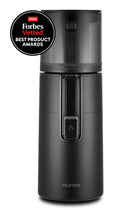
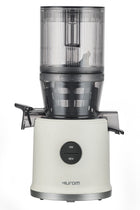
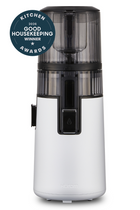
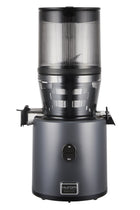
Pro tip: The best way to take advantage of the nutrients in fruit is to make your juice at home with a slow juicer. Hurom juicers cold-press without heat or blades, preserving enzymes, vitamins, and natural flavor for longer.
What is the Real Difference Between a Natural Juice and a Packaged One?
At first glance, they may seem the same, but natural juice and packaged juice are two very different drinks. The difference lies in how they are made, the ingredients they contain, and how much of their properties they retain.
A natural juice is made with fresh fruit or vegetables, without additives or preservatives. Its flavor and color change with the season and the ingredients you use. In contrast, packaged juice goes through pasteurization or concentration processes to last for months. During this process, its flavor is often adjusted with sugar, artificial colorings, or flavorings.
This difference is not just technical: it also affects nutritional value. A freshly made juice retains heat-sensitive enzymes and vitamins, such as vitamin C, while industrial juices tend to lose some of these compounds.
Studies confirm it:
An analysis from Nutrition Reviews showed that consuming 100% natural juices can have benefits for blood pressure and vascular function, provided they are consumed in moderation.
The key is to know what type of juice you choose and how often you drink it. And for that, it is essential to know three key aspects: how they are processed, how much sugar they contain, and how long they retain their freshness.
Ingredients and Processing
The difference starts from the origin: what each juice contains and how it is made.
-
Natural: Only fresh fruit or vegetables, without additives.
-
Packaged: Usually include preservatives, flavorings, or stabilizers to maintain texture and flavor.
Sugar Content
What is not always visible also changes: the amount and type of sugar each one provides.
-
Natural: Provide only the natural sugars of the fruit.
-
Packaged: Can contain between 20 and 30 g of added sugar per serving. For example, in Mexico, PROFECO found that even “100% fruit” juices vary between 8.3 and 14.1 g of total sugar per serving.
Preservation and Freshness
The time it lasts without losing flavor or nutrients marks another big difference.
-
Homemade: Last between 24 and 72 hours refrigerated if stored in airtight jars.
-
Packaged: Can last for months without refrigeration, but that extra time is gained at the cost of sensitive nutrients.
Proven Benefits of Natural Juices for Your Health

Drinking natural juices is not just a matter of taste; it can also provide real benefits if integrated balancedly into a varied diet.
A recent study published in MDPI showed that people who consume 100% natural juice tend to have better quality diets: less added sugar and more potassium, calcium, and vitamin C.
However, the same study found that almost 88% of the population consumes less than half a cup a day, suggesting that natural juice can still be a good complement, not a substitute for whole fruit.
Vitamins and Minerals at Their Peak
Freshly made natural juices maintain nutrients in their most usable state. Vitamin C, for example, begins to degrade rapidly after extraction, so making it on the spot ensures its maximum contribution.
Real Hydration with Flavor
If you struggle to drink enough water, natural juices can help. They provide liquids with a pleasant taste and without the need for artificial sweeteners. They are especially useful in warm climates or after physical activity.
Digestive and Cleansing Support
Ingredients like celery, ginger, or pineapple gently stimulate the digestive system. Green juices, on the other hand, provide soluble fiber and antioxidants that aid digestion and help reduce inflammation.
Pro tip: I recommend these 7 juices to reduce body inflammation every morning, they will greatly help you cleanse your body.
The Role of Natural Juices in Cholesterol
Although juice does not replace whole fruit, some compounds such as hesperidin, present in citrus fruits, can help improve vascular function and slightly reduce blood pressure. Including natural juices within a diet rich in fruits and low in saturated fats contributes to maintaining a better balance of cholesterol, LDL and HDL.
In summary, natural juices provide hydration, vitamins, and antioxidants when prepared with fresh ingredients and consumed in moderation.
Pro tip: Expand this information with 7 practical benefits of juicing for health and learn why it's worth including them in your routine.
Common Myths About Natural Juices
There are many circulating ideas about natural juices, and not all are true. Some myths come from confusing them with packaged juices, others from unrealistic expectations. The truth is that, prepared correctly, natural juices can be part of a healthy and practical routine.
“They Have the Same Nutritional Value as Packaged Ones”
This is one of the most frequent myths. Although both are made from fruits, industrial processing changes things a lot. Packaged juices are heated to preserve them longer, and that heat reduces antioxidants and enzymes. In contrast, natural juices better preserve sensitive compounds such as vitamin C and polyphenols.
“They are Too Expensive or Difficult to Make at Home”
Preparing natural juices doesn't have to be complicated or expensive. Using seasonal fruits helps keep costs accessible, and with a slow juicer like Hurom's, more is extracted from each ingredient effortlessly. Furthermore, cleaning is simple and quick thanks to the Easy Clean design, which avoids constant scrubbing.
“They Are Useless if Not Drunk Instantly”
While freshly made juice is always ideal, it is not wasted if you don't drink it right away. Stored in airtight glass jars and refrigerated, it can retain its flavor and nutrients for up to 72 hours without any problem.
“They Are Just as High in Sugar as Commercial Juices”
False. Natural juices have no added sugar or syrups. The sweetness comes solely from the fruit, and if you want to reduce it even further, you can mix it with vegetables or filtered water. The difference lies in control: you know exactly what you're drinking.
In short, natural juices are not a luxury or a fad. They are a simple way to add fresh fruits and vegetables to your day, as long as they are prepared with balance and good ingredients.
Natural Juice Recipes to Try at Home
Preparing natural juices at home doesn't require experience or much time. With fresh ingredients and a Hurom slow juicer, you can get drinks full of flavor and nutrients effortlessly. Here are four simple and balanced combinations to get you started.
Energizing Green Juice
Green juice is a classic that combines freshness and vitality. Ideal for starting the day or after an intense morning.
Why it works:
Cucumber hydrates, green apple provides antioxidants, and spinach adds iron and soluble fiber. Ginger and lemon balance the flavor and aid digestion.

Ingredients:
-
1 cucumber
-
1 green apple
-
1 handful of spinach
-
½ peeled lemon
-
1 small piece of ginger
Preparation:
-
Wash all ingredients well.
-
Cut the cucumber and lemon into medium pieces if necessary.
-
Pass each ingredient through the slow juicer, alternating leaves with firmer pieces.
-
Gently mix the juice and serve immediately.
Anti-inflammatory Carrot and Orange Juice
This delicious juice has a bright color and a balanced sweet and citrus flavor.
Why it works:
Carrots and oranges are rich in beta-carotene and vitamin C. Turmeric provides natural anti-inflammatory compounds that support joint and skin health.

Ingredients:
-
2 carrots
-
1 peeled orange
-
1 small piece of fresh turmeric (or ½ tsp powder)
Preparation:
-
Wash and cut the carrots if they are very large.
-
Peel the orange and turmeric.
-
Pass everything through the slow juicer.
-
Stir and serve immediately.
Refreshing Watermelon and Mint Juice
This juice is smooth, hydrating, and naturally sweet. Perfect for hot days.
Why it works:
La sandía contiene licopeno y ayuda a mantener una buena hidratación. La menta aporta frescura y facilita la digestión.

Ingredientes:
-
2 tazas de sandía sin semillas
-
5 hojas de menta fresca
-
½ limón pelado
Preparación:
-
Corta la sandía en trozos medianos.
-
Coloca los trozos junto con la menta y el limón en el extractor lento.
-
Extrae el jugo.
-
Sirve frío para un efecto más refrescante.
Jugo Rosa Antioxidante
Dulce, colorido y lleno de antioxidantes naturales, este jugo no solo te gustará por su sabor, sino también por sus beneficios para la salud.
Por qué funciona:
La remolacha y las fresas aportan compuestos que ayudan a la circulación y protegen las células del estrés oxidativo. La manzana y el limón equilibran el sabor.

Ingredientes:
-
1 remolacha pequeña
-
1 manzana roja
-
3 fresas
-
½ limón pelado
Preparación:
-
Lava todos los ingredientes y corta la remolacha en trozos medianos.
-
Pásalos por el extractor lento, alternando frutas más duras con las más suaves.
-
Mezcla el jugo suavemente antes de servir.
-
Disfruta de inmediato para aprovechar su color y frescura.
¿Qué Necesitas Para Preparar Jugos Naturales en Casa?
Hacer jugos naturales en casa no requiere mucho: solo ingredientes frescos y las herramientas adecuadas:
-
Frutas y verduras frescas: Opta por ingredientes de estación o locales. Cuanto más frescos, mejor sabor y más nutrientes. Si es posible, elegí productos orgánicos para reducir residuos químicos y mantener el perfil natural del jugo.
-
Agua de coco natural (opcional): En lugar de usar agua común, el agua de coco es una base excelente para jugos más ligeros. Aporta electrolitos, sabor suave y una textura más equilibrada.
-
Extractor lento de jugos: Modelos como el Hurom H320 o el H400 son ideales para preparar jugos en cantidad y con distintos tipos de frutas, incluso las más fibrosas. Si el espacio es limitado, el H310 ofrece el mismo rendimiento en un formato compacto.
-
Frascos de vidrio herméticos: Ayudan a conservar el jugo hasta por 72 horas en refrigeración. Llénalos hasta el borde para evitar la oxidación y mantenlos siempre fríos.
Con estos básicos y un poco de práctica, preparar jugos naturales en casa se vuelve una rutina simple y disfrutable.
¿Cuál es Mejor? Extractor vs. Licuadora vs. Jugos de Supermercado
Cuando se habla de jugos, no todos los métodos ofrecen el mismo resultado. El tipo de preparación define cuántos nutrientes se conservan, cuánto dura el jugo y hasta cómo se siente al tomarlo.
Extractor Lento Hurom
El extractor lento trabaja sin cuchillas y a baja velocidad, evitando el calor y la oxidación.
-
Conserva vitaminas, enzimas y antioxidantes.
-
Produce un jugo con textura uniforme y sin espuma.
-
Permite aprovechar frutas fibrosas o con pulpa, como la piña o el mango, sin pérdida de sabor.
-
Mantiene el jugo estable por más tiempo.
Licuadora Potente
La licuadora tritura los ingredientes a alta velocidad. Es práctica, pero genera calor y aire que alteran los nutrientes.
-
Oxida más rápido el jugo y cambia su color.
-
Requiere colar si se busca una textura más fina.
-
Puede separar el líquido de la pulpa en pocos minutos.
Jugos Envasados
Son los más accesibles, pero también los que menos conservan los beneficios originales de la fruta.
-
Pasan por calor para prolongar su vida útil, lo que reduce compuestos sensibles como la vitamina C.
-
Suelen contener azúcares añadidos, saborizantes o conservantes.
-
Pueden durar meses, pero con menor valor nutricional y sabor más plano.
En pocas palabras, el extractor lento ofrece un equilibrio entre nutrición, sabor y frescura. Si lo que buscas es un jugo real, sin aditivos y con textura natural, es la opción que mejor conserva lo esencial de la fruta.
Pro tip: Si decides irte por el extractor de jugos, tómate un momento para comparar los modelos Hurom y encontrar el que mejor encaje contigo.
¿Por Qué Elegir un Extractor Lento Para Hacer Jugos Naturales?

Cuando se trata de jugos naturales, el tipo de extractor hace una gran diferencia. Un extractor lento (también conocido como cold press) no usa cuchillas ni genera calor, sino que exprime lentamente la fruta y la verdura para conservar mejor sus nutrientes, sabor y color.
Esta tecnología, como la Slow Squeeze patentada de Hurom, imita el prensado manual y trabaja a baja velocidad (entre 40 y 90 RPM). Así se reduce la oxidación y se mantiene el jugo fresco por más tiempo, sin espuma ni separación de fases.
Además de mejorar la calidad del jugo, los extractores lentos son más eficientes: aprovechan mejor cada ingrediente y extraen mayor cantidad de líquido que las licuadoras tradicionales. También son una opción más económica a largo plazo, ya que preparar jugos caseros puede costar hasta un 50 % menos que comprar jugos prensados o envasados.
Por otro lado, hacer jugos en casa reduce el uso de envases plásticos y te permite aprovechar la pulpa en otras preparaciones o compostarla. En resumen, elegir un extractor lento no solo mejora el resultado, sino que también hace que el hábito de preparar jugos sea más sustentable y consciente.
Pro Tip: Si te interesa saber más de este método, te lo explico a fondo en Jugos prensados en frío: Beneficios y lo que nadie te cuenta.
Prepara tus Jugos en Casa y Siente la Diferencia Cada Día
Preparar jugos naturales en casa es más fácil de lo que parece. Con ingredientes frescos, un extractor lento y un poco de constancia, puedes disfrutar bebidas llenas de sabor y nutrientes, sin azúcares añadidos ni conservantes.
Como ya te dije anteriormente, además de ser una opción saludable, también es más económica y sustentable. Permite reducir el uso de envases, aprovechar mejor cada fruta y tener control total sobre lo que consumes.
Con un extractor Hurom, cada jugo mantiene su color, su textura y su frescura por más tiempo. Es una forma práctica de cuidar tu alimentación y disfrutar del proceso.
Explora el catálogo de Hurom, elige el que mejor se adapte a ti y lleva la frescura natural directamente a tu cocina.
Preguntas frecuentes (FAQs)
¿Cuáles son los Jugos Naturales más Saludables?
Depende de los ingredientes. En general, los jugos verdes (con espinaca, pepino o apio) y los cítricos (como naranja o limón) aportan vitamina C (ácido ascórbico), antioxidantes y minerales que apoyan el sistema inmunitario. También hay combinaciones que benefician la salud cardiovascular, como los jugos con zanahoria, manzana y remolacha, ricos en compuestos que ayudan a mantener niveles saludables de colesterol malo (LDL) y a equilibrar el colesterol bueno (HDL).
¿Los Jugos Naturales Ayudan a Mantener el Colesterol Bajo Control?
Algunos jugos de fruta, especialmente los que contienen cítricos, manzana o avena, pueden contribuir al equilibrio de los niveles de colesterol alto gracias a su contenido de fibra dietética y antioxidantes.
Si bien el jugo no sustituye la fruta entera, incluirlo como parte de una alimentación variada puede apoyar la salud cardiovascular y reducir el riesgo de enfermedades cardíacas a largo plazo.
¿Cuánto Tiempo Duran los Jugos Naturales?
Si se guardan en frascos de vidrio herméticos y refrigerados, pueden conservarse hasta 72 horas con buen sabor y color. Lo ideal es consumirlos dentro de las primeras 24 horas para aprovechar al máximo sus vitaminas, especialmente las vitaminas C y E, que son sensibles al aire y a la luz.
¿Se Pueden Congelar los Jugos Naturales sin Perder Nutrientes?
Sí, aunque lo mejor es hacerlo en porciones pequeñas y descongelarlas en refrigeración. Algunas vitaminas, como la C y la E, pueden reducirse ligeramente con el frío prolongado, pero el jugo sigue conservando su valor nutritivo principal.
¿Puedo Usar Cualquier Fruta o Verdura?
Sí, aunque conviene combinar frutas dulces con otras más ácidas o con verduras frescas para equilibrar sabor y nutrientes. Las frutas con fibra dietética, como la manzana o la pera, favorecen la digestión y ayudan a regular los niveles elevados de colesterol. Evita frutas muy harinosas, como el plátano, ya que no extraen bien el jugo.
¿Cuál es la Diferencia entre un Extractor Lento y una Licuadora?
Un extractor lento exprime los ingredientes sin generar calor, conservando enzimas, antioxidantes y el sabor natural. En cambio, la licuadora tritura a gran velocidad, lo que genera más espuma, oxidación y separación del líquido. Los jugos obtenidos con extractor se mantienen estables por más tiempo y conservan mejor sus nutrientes, a diferencia de muchos jugos preparados.