


How to Make Almond Milk at Home (Complete Guide)
septiembre 12, 2025
Almond milk has become one of the most beloved plant-based beverages: light, creamy, and delicious without the need for additives. If you've ever wondered how to make homemade almond milk, the answer is easier than you think.
Preparing it at home not only gives you a fresher version, but also allows you to decide the texture, sweetness, and even the extra flavors you want to add.
There are different methods, from the classic blender to equipment that simplifies the process and achieves a finer, more uniform milk. Below, I will tell you which is the best method. Let's begin.
Why Make Almond Milk at Home?
Making your own almond milk isn't just about following a recipe. It's about having greater control over what you consume, making better use of nutrients, and also saving money compared to commercial versions.
Here are some reasons why preparing this milk at home is the best option:
Total Control Over Ingredients and Flavor
When you make this plant-based milk at home, you decide exactly what goes into your glass.
The base of the almond milk recipe is simple: raw almonds and filtered water. From there you can customize it with pitted dates, vanilla extract, ground cinnamon, or even cocoa. There are no additives like stabilizers, gums, or added sugars that are usually present in industrial versions.
Pro tip: Some additives are really dangerous and should be avoided.
This freedom also allows you to adjust the density: you can use more almonds for a creamier milk or reduce the amount if you prefer a lighter drink.
It's basically designing your own version according to what you need at any given moment.
Fresher, More Natural Texture
Freshly made almond milk better preserves the qualities of the almond. Its texture is creamier and more authentic, with a clean taste that has not gone through pasteurization processes or long storage periods.
This also means it retains more active nutrients and less oxidation. When you taste homemade milk and compare it with packaged milk, the difference is clear: the former feels alive, with a freshness not found in long-lasting products.
Savings Compared to Commercial Options
It's true that buying almonds may seem more expensive at first, but the cost is diluted when you see how much milk you can get.
For example, with 100 grams of almonds you can prepare between 700 ml and 1 liter of milk, depending on the proportion of water you use.
Meanwhile, a liter of commercial almond milk can cost much more, especially if you are looking for a version without added sugars or enriched with nutrients.
Preparing this milk at home is not only more economical, it also gives you several fresh servings ready for the week, without depending on what is available at the supermarket.

Almond Milk: Nutritional and Practical Benefits
In addition to being a light and versatile drink, almond milk has real advantages that make it stand out from other options. It provides key nutrients, aids in weight management, and is easier to digest than cow's milk.
These are some of the most interesting benefits:
Rich in Vitamin E and Antioxidants
A cup of almond milk (≈ 262 g) provides about 16.6 mg of vitamin E, which is equivalent to 110% of the recommended daily value. This antioxidant helps reduce inflammation, protects cell membranes, and supports the immune system.
Unlike other nutrients that degrade easily, vitamin E remains stable in this type of beverage. And this makes it a practical source to reinforce your daily diet.
Ally in Weight Control
A study in Saudi Arabia showed that replacing a cup of cow's milk with almond milk for 4 weeks helped participants reduce their weight, body mass index, waist, and hip measurements. Most interestingly, these changes occurred without altering blood pressure.
This suggests that it can be a useful tool within a weight management plan, especially if you choose unsweetened or homemade versions. Furthermore, being lower in calories than traditional milk, it helps maintain an energy balance without sacrificing flavor or texture.
Benefits for Cardiovascular Health
According to research in Turkey, almond milk contains approximately 65.8% oleic acid. This is a monounsaturated fat linked to the reduction of LDL cholesterol (also known as bad cholesterol) and a lower risk of cardiovascular disease.
In fact, this type of fat is also present in olive oil, known for its positive impact on heart health. That is why including almond milk in your routine is a simple way to add this type of healthy lipid to your daily diet.

Easy to Digest
Unlike cow's milk, almond milk is usually lighter for those with sensitive digestion. Being lactose-free, it is more suitable for people intolerant to this natural sugar present in dairy products.
Even those without intolerance may notice less heaviness or discomfort, especially if they are looking for gentler options for their stomach.
Light and Low-Calorie, Low-Carb Alternative
Unsweetened almond milk provides only 39 kcal per cup and about 0.3 g of carbohydrates per 100 g. This makes it ideal for those looking to reduce calorie intake or control sugar intake, whether for metabolic health, weight management, or dietary preferences.
Compared to cow's milk, the caloric difference is considerable. That is why many people integrate it as part of low-carb diets.
Lactose-Free and Vegan Option
In addition to its nutritional benefits, almond milk has a practical advantage: it is 100% vegan-friendly.
That means you can enjoy it without worrying about digestive discomfort or breaking your plant-based lifestyle. The best part is that it remains a versatile alternative, with good flavor and easy to use in all kinds of recipes.
Ingredients for Preparation
Preparing almond milk at home is very simple and only requires a few basic ingredients.
From there, you can customize the flavor with sweet or aromatic touches according to your taste and the use you want to give it, whether for coffee, desserts, or smoothies.
As ingredients, you only need:
-
Raw, unsalted almonds: These are the essence of the recipe. Being natural, they ensure a milk with pure flavor and no excess sodium.
-
Filtered water: The quality of the water directly influences the final taste. Clean, fresh water will make the milk lighter and more pleasant.
-
Optional sweeteners and flavorings: Here you can add your personal touch. Pitted dates for natural and creamy sweetness or vanilla extract for a warm aroma.
With this, you have everything you need to prepare a fresh, versatile almond milk adaptable to any occasion.
How to Make Almond Milk: 3 Methods

There's more than one way to prepare this plant-based drink at home. The choice of method depends on what you're looking for in terms of texture, practicality, and cleanliness.
Here I explain each way to prepare it:
Traditional Method with Blender
This is the classic method and probably the first one many people try. You just need to soak the almonds for 8 to 12 hours, drain them, and blend them with filtered water.
Then you have to strain the mixture with a fine sieve, a cotton cloth, or a nut milk bag. The result? A fresh, homemade milk, but with more steps and quite a bit of cleaning involved. Very impractical, to be honest.
Using Specific Plant Milk Makers
In recent years, so-called milk makers, devices created to automate the process, have become popular.
In theory, they work easily: you put in soaked almonds and water, choose a program, and with just one button, the machine grinds, heats, and mixes until the milk is ready.
The texture is usually uniform and the result is decent, but they also have their drawbacks. They take up space in the kitchen, require their own maintenance, and are not always as versatile for playing with different ingredients as other methods.
And no less important: you cannot use that equipment for other preparations.
Method with a Hurom Slow Juicer
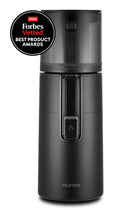
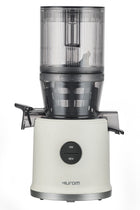
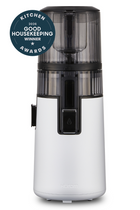
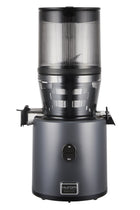
This is where making almond milk becomes much simpler. With a Hurom slow juicer you just need to soak the almonds, add water, and let the machine do all the work.
The milk comes out creamier and more uniform than with a blender. Likewise, models like the H70 and the H400 from Hurom's Easy Clean line make cleaning less cumbersome, saving you time after preparation.
Another point in its favor: the milk does not separate as much into layers when refrigerated, so it remains more homogeneous and ready to drink at any time.
In addition, these extractors are not limited to almond milk. You can also prepare other equally creamy plant-based beverages, such as oat milk, hazelnut milk, green soy milk, or even coconut milk. This expands your options with a single piece of equipment.
Pro Tip: Looking for more versatility in your daily life? Multifunctional juicers are a practical solution that saves you time and space. With one of them you can prepare plant-based milks, juices and much more at home.
Storage and Use of the Pulp
Once your milk is ready, it's important to know how to store it and what to do with the leftover pulp. Here are some tips to make the most of each ingredient and avoid waste:
Storage Time in the Refrigerator
Homemade almond milk can be stored for up to 72 hours in the refrigerator if you keep it in an airtight glass jar. After that time, it may start to separate or lose freshness, so it's best to prepare only what you're going to drink.
Freezing Options
Want to make more at once? Freeze it in ice cube trays or small containers. This way, you can thaw only what you need and have milk ready for several weeks without worrying about waste.
Creative Uses for Pulp in Sweet or Savory Recipes
Almond pulp is a hidden treasure. Use it in cookies, cakes or pancakes, or give it a savory twist as a base for veggie burgers or to thicken soups and creams. It's an easy culinary recycling that adds flavor and nutrients to your kitchen.
Pro Tip: The pulp left over from making almond milk is not the only one that can be reused. Also turn the pulp left over from your juices into new recipes full of flavor with these ideas for reusing pulp.
Which is the Best Homemade Almond Milk? Variations and Flavors to Customize

Homemade almond milk doesn't always have to be the same. With small changes in preparation, you can give it an interesting twist and adapt it to your tastes or the moment you are going to enjoy it.
Estas son algunas de las variaciones más sencillas y populares:
Leche de Almendras con Cacao
Agrega una cucharadita de cacao en polvo al momento de prepararla y tendrás una bebida achocolatada, intensa y reconfortante.
Para darle un giro diferente, puedes incorporarle media banana para un dulzor natural y más cremosidad. También puede ser un toque de coco rallado para un perfil tropical. O bien, una pizca de nuez moscada para un sabor especiado más profundo.
El resultado es una versión distinta y versátil, perfecta para quienes buscan variar del clásico chocolate caliente.
Con Canela y Vainilla
Unas gotas de extracto de vainilla y una pizca de canela en polvo convierten tu leche de almendras en una versión aromática y cálida.
Esta variante es perfecta para acompañar postres, preparar un café con leche vegetal o disfrutar en una taza caliente en días fríos. Además, la canela le da ese toque especiado que combina genial con recetas de repostería.
Leche de Almendras Sin Azúcar Añadida (Versión Natural)
Si prefieres un sabor neutro, puedes dejarla sin endulzar y disfrutarla tal cual. Pero no es la única alternativa si quieres una leche sin azúcar añadida.
Otra opción es suavizarla de manera natural con dátiles o un toque de jarabe de arce. Esta versión, de hecho, es muy versátil: ideal para batidos, recetas saladas como sopas y cremas, o para usar en repostería sin alterar demasiado el sabor de los demás ingredientes.
La Mejor Versión de la Leche de Almendras Está en tu Cocina
Preparar leche de almendras casera es mucho más que seguir una receta: es recuperar la frescura de un ingrediente sencillo y transformarlo en una bebida vegetal limpia y versátil.
Lo interesante es que puedes adaptarla a tu estilo de vida, ya sea para acompañar tu café de la mañana, usarla en repostería o disfrutarla sola, bien fría.
Como pudiste ver, existen distintos métodos para hacerla en casa. Pero, con un extractor lento Hurom, logras el mejor balance entre practicidad, sabor y textura.
Para mí, en lo personal, esa es la opción que mejor encaja en la rutina diaria: la preparación es más fácil, y deja una leche más cremosa y uniforme.
¿Quieres dar el siguiente paso y llevar tus preparaciones caseras a otro nivel? Explora el catálogo de Hurom y encuentra el extractor que hará tu día a día más fácil y saludable.
FAQ
¿Cómo se hace la leche de almendras?
El método más común es dejar las almendras en remojo entre 8 y 12 horas, escurrirlas y licuarlas con agua filtrada. Después se cuela la mezcla con un paño de algodón o un colador de tela fino para separar la pulpa.
Si usas un extractor lento, el proceso es aún más sencillo: remojas las almendras, las colocas en el equipo junto con agua y obtienes la leche directamente, sin necesidad de colar.
¿Cuántas almendras se necesitan para hacer un litro de leche de almendras?
Depende de la intensidad que busques. La proporción estándar es entre 80 y 100 g de almendras por cada litro de agua. Si prefieres una leche más cremosa, puedes aumentar a 120 g; en cambio, para una versión más ligera bastan 60 g. Esa flexibilidad es una de las ventajas de hacerla en casa.
¿Cuánto tiempo se deben remojar las almendras para obtener leche de almendras?
El remojo óptimo es de 8 a 12 horas porque hidrata bien la almendra y mejora la textura final. Si tienes poco tiempo, puedes remojarlas en agua caliente durante 1 o 2 horas, aunque el sabor será menos intenso y la leche resultará más ligera.
¿Es necesario hervir la leche de almendras?
No, no hace falta hervirla. La leche de almendras casera está lista para beber justo después de prepararla. Hervirla podría modificar su sabor fresco y reducir parte de sus propiedades nutricionales. Solo en caso de usarla en recetas que requieran cocción, como salsas o postres, se calienta junto con los demás ingredientes.
¿Qué pasa si calientas la leche de almendras?
Se puede calentar, pero lo ideal es hacerlo a fuego bajo o en intervalos cortos en el microondas. Un calor excesivo puede hacer que se separe o se corte, sobre todo si se mezcla con bebidas ácidas como el café fuerte. Un buen truco es agregar primero la leche al vaso y después verter la bebida caliente poco a poco.
¿Por qué mi leche de almendras se corta?
Esto suele pasar al mezclarla con líquidos muy calientes o ácidos. El choque de temperatura y pH hace que se separe. Para evitarlo, deja que el café o té se enfríe ligeramente antes de añadir la leche, o agrégala primero al vaso para que el cambio no sea tan brusco.
¿Cuántos días dura la leche de almendras hecha en casa?
En un frasco de vidrio hermético y bien refrigerada, dura hasta 3 días. Después de ese tiempo puede empezar a fermentar o desarrollar un sabor amargo. Si quieres conservarla por más tiempo, una buena alternativa es congelarla en cubitos de hielo y descongelar solo la cantidad que necesites.