


Biohacking 101: Diet & Health Habits That Make a Difference
March 26, 2026
You’ve probably heard the word “biohacking” thrown around in health circles or on social media. It sounds high-tech and complicated, but honestly, it’s not.
Basically, biohacking is just the idea of improving your body’s performance with small, intentional tweaks.
Some people go big with devices and trackers. But many of the most effective changes are actually simple daily habits, like sleeping better, eating smarter, and staying consistent.
There’s a lot of buzz, though. And with that buzz comes confusion: What’s real? What’s just marketing?
That’s what I’ll break down here. I’ll walk you through what biohacking really means, which strategies are backed by science, and how something as everyday as a juicer can actually help you feel better and live healthier.
Let 's begin.
Quick heads-up: Maximizing nutrients is key in biohacking, especially when you’re trying to support energy, recovery, and overall health. Later, I’ll show you how Hurom juicers can help with that.

What is Biohacking?
Biohacking is one of those terms that can sound a little out there, like you need a lab coat or a bunch of tech to be part of it. But really, it's just about making smart changes to how you live, eat, move, and sleep so your body and brain work better.
Basically, biohacking is about self-experimentation: trying things, tracking results, and building habits that make a noticeable difference. That could be improving sleep, balancing blood sugar, sharpening focus, or even supporting longevity.
What started as a niche interest has grown into a full-blown movement, especially as more people get curious about taking health into their own hands.
And it’s not all high-tech. While some dive into wearables, genetic testing, or blood tracking, others stick to simple shifts, like eating differently or building a solid morning routine. I’ll discuss that in the next section.
For now, here’s a good clip you can watch to understand more about biohacking and its safety.
Types of biohacking people talk about
Biohacking covers a wide range of habits and tools, depending on how deep someone wants to go:
-
Lifestyle biohacking: Think better sleep, daily movement, morning sunlight, or even cutting screen time at night to support circadian rhythms.
-
Nutritional biohacking: Includes supplements, intermittent fasting, and nutrient timing to improve energy and support metabolic health.
-
DIY biology: This is the experimental side; people testing supplements, tracking personal data, or using devices to measure heart rate or blood glucose.
-
Tech-based biohacking: From wearable devices to continuous glucose monitors, this is where biohacking meets gadgets.
Why biohacking attracts attention
The idea of taking control of your own health is powerful. In a world where it’s easy to feel disconnected from your body (or overwhelmed by wellness advice), biohacking offers a hands-on approach.
According to a 2025 survey from the Sanctuary Wellness Institute, 67% of American adults now identify as biohackers. But that’s not all. The survey also found that:
-
94% of those adults believe it is healthy to optimize their body’s performance through biohacking strategies.
-
82% think biohacking is worth the financial investment.
-
65% purchase supplements.
-
75% are inspired by social media to improve their wellness.
And it’s not just about physical health. Many people are looking for a better mood, sharper mental clarity, more stable energy, and long-term health.
That mix of curiosity and control is what keeps biohacking growing, especially as more people start paying closer attention to how they feel day to day.
Biohacking Health: What Science Supports
For all the hype around ice baths and bio-tracking rings, the truth is that the most effective health hacks are usually the ones you’ve already heard of. Just done consistently and with intention:
Evidence-based biohacking habits
Some of the most powerful ways to support your health don’t require fancy gear or extreme diets. These are the habits that science keeps pointing back to:
-
Sleep optimization: Sticking to a consistent sleep schedule, managing light exposure (yes, blue light affects your sleep), and winding down in the evenings can improve everything from cognitive function to metabolism.
-
Regular physical activity: It doesn’t have to be intense; just regular movement helps regulate blood glucose, manage weight, and reduce stress.
-
Balanced nutrition: Getting enough vitamins and minerals from whole foods supports everything from immunity to energy production. You don’t always need a stack of pills; just real food, consistently.
-
Stress management: Techniques like mindfulness, breathwork, or cold exposure can support both mental health and physical resilience.
Did you know? A review by Harvard Medical School found that cold-water immersion reduced stress and improved quality of life, especially in men, who also reported better sleep.
Why foundational health habits outperform extreme hacks
The appeal of dramatic changes or quick fixes is real. But the science shows that slow, steady habits win the long game. When you sleep better, eat well, move daily, and manage stress, those benefits compound over time.
Extreme biohacking experiments might give you a short-term boost, but they’re harder to maintain. The body thrives on rhythm and consistency, not shock and chaos.
Also, not every strategy works for everyone. That’s where personalization comes in.
The role of personalization in health optimization
Your metabolism, genetics, and lifestyle all play a role in what works for you.
One person might feel great doing intermittent fasting. Another might struggle with it. Some track their data with wearable tech or apps. Others go by feel.
That’s okay. The goal isn’t perfection; actually, it’s tuning into what helps you feel good and perform well over time.
The Biohacking Diet: What It Means in Practice
One of the biggest areas people try to optimize is what they eat. But the “biohacking diet”, beyond being a plan, is more of a mindset.
The goal is to eat in a way that keeps your energy steady, your body nourished, and your systems running smoothly.
That means paying attention not just to calories, but to how different foods affect things like blood sugar, inflammation, and brain function.
Core principles behind a biohacking diet
Most diets under the biohacking umbrella share a few common goals:
-
Nutrient density: Prioritizing foods packed with vitamins, minerals, and phytonutrients over empty calories.
-
Blood sugar stability: Managing spikes and crashes by balancing carbs with protein, fiber, and healthy fats.
-
Anti-inflammatory eating: Choosing whole foods that reduce internal stress on the body and support recovery and immunity.
In short, it’s about eating smarter.
Popular biohacking diets and frameworks
You’ll hear about a lot of different eating styles in the biohacking community. A few that come up often are:
-
Intermittent fasting: Popular for its simplicity and metabolic benefits, especially when it comes to insulin sensitivity and weight management.
-
Ketogenic or low-carb: These diets reduce carb intake to stabilize blood glucose and increase fat burning. Studies back up their effects on cardiovascular markers and weight loss.
-
Mediterranean-style: Less restrictive, and focused on whole, unprocessed foods. One recent study found that while Keto helped with impulsivity, the Mediterranean diet was more effective for depression and anxiety symptoms.
You don’t have to commit to one of these fully. The smart move is to pull what works from each, based on how your body responds.
What foods and habits fit into a biohacking diet
Instead of following a fixed meal plan, most people approach biohacking through specific food choices and small habits that support how their body functions throughout the day.
Here are some of the most common ones:
-
Leafy greens and vegetable juices: Spinach, kale, celery, and cucumber. They support micronutrient intake and help cover gaps that regular meals sometimes miss.
-
Healthy fats for stable energy: Avocado, olive oil, nuts, and seeds. These help avoid blood sugar spikes and support cognitive function.
-
Protein-focused meals: Eggs, fish, legumes, or clean animal protein to support muscle, metabolism, and satiety.
-
Low-glycemic carbs: Foods like quinoa, berries, or sweet potatoes that provide energy without sharp blood glucose swings.
-
Fermented foods: Yogurt, kefir, kimchi, or sauerkraut to support gut health, which plays a role in immunity and mood.
-
Intermittent fasting (if it fits your routine): Spacing meals to give your body time to regulate insulin and energy levels.
-
Hydration with purpose: Water, herbal teas, or fresh juices to support digestion, recovery, and overall function.
-
Simple add-ons: Ingredients like ginger, turmeric, or lemon that people include regularly for their anti-inflammatory properties.
This is where things start to feel more realistic. Beyond following strict rules, you’re building a system of small choices that support your energy, focus, and long-term health.
Where many biohacking diet trends go wrong
It’s easy to fall into extremes, especially with influencers showing off their supplement stacks or strict routines. But more isn’t always better.
Some common mistakes I see:
-
Over-restriction: Cutting out food groups without a clear reason can lead to nutrient gaps.
-
Overreliance on supplements: Pills can support your diet, but they don’t replace real food.
-
Forgetting long-term sustainability: If a diet feels like punishment, it’s not going to stick. And if it doesn’t stick, it doesn’t work.
Bottom line: A good biohacking diet supports your life, not the other way around.
Where Juicing Fits Into Biohacking Nutrition
Juicing isn’t usually the first thing people think of when they hear “biohacking”. But it fits surprisingly well, especially if you’re focused on nutrient density and making your diet work for your lifestyle.

Why nutrient density matters for biohacking health
Your body runs on micronutrients: vitamins, minerals, and plant compounds that help regulate everything from energy production to immunity.
When those are low, your system has to work harder. Over time, this can manifest as fatigue, slow recovery, or brain fog.
Juicing gives you a concentrated dose of these nutrients from vegetables, fruits, and herbs, especially ones you might not eat enough of otherwise.
Juicing as a practical nutrient intake strategy
Here’s why I like juicing as part of a nutrient-focused routine:
-
You can pack in a wider range of produce (leafy greens, herbs, root veggies) that might not always make it onto your plate.
-
It’s easier to absorb nutrients from juice when it’s made right, especially if you’re dealing with digestive issues or need a gentle option during recovery.
-
It complements your meals without replacing them. Think of it as a boost, though, and not a shortcut.
It’s also faster than prepping full meals when time’s tight. And if you’ve ever tried squeezing in five servings of vegetables a day, you know that’s no small task.
When juicing makes sense in a biohacking diet
Juicing can support your routine in a few smart ways:
-
Busy days: A fresh juice is quick to make and easy to take with you.
-
Low appetite moments: If you’re under the weather or stressed, juice goes down easier than a full meal.
-
Recovery and hydration: Some combos help replenish electrolytes, reduce inflammation, and keep you feeling energized.
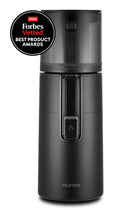
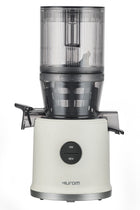
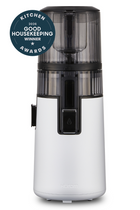
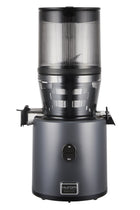
I use a Hurom juicer at home for this. It’s practical and lets me rotate ingredients often, which matters, since variety is key to a healthy gut and strong immunity.
How Juice Extraction Methods Affect Nutrient Quality
If you’re using juicing as part of your biohacking routine, how you extract that juice actually matters.
It’s not just about throwing some produce into a machine and calling it a day. The method can affect everything from flavor to nutrient retention, and when you’re trying to support your health, that difference adds up.
Let’s see that in detail.
Cold-press juicing vs centrifugal juicing
Most juicers fall into two categories:
-
Centrifugal juicers use fast-spinning blades. They work quickly, but that speed generates heat and exposes ingredients to more oxygen. Both can lead to nutrient breakdown, especially for delicate compounds like vitamin C or enzymes.
-
Cold-press juicers, like the ones I’ve used from Hurom, slowly squeeze fruits and vegetables. This method keeps temperatures low and minimizes oxidation, which helps preserve flavor and nutritional quality.
It’s a small technical detail, but if you're serious about maximizing what you get from your juice, it’s one worth paying attention to.
Why cold-press juicing aligns with nutrient-focused biohacking
In biohacking, the goal is usually to get the most benefit from the least effort, or the most nutrition from the fewest steps.
That’s where cold-press juicing makes a difference:
-
You get more juice out of each ingredient (so you waste less).
-
You keep more of the good stuff intact, especially antioxidants and phytonutrients.
-
It encourages you to rotate different vegetables and herbs into your routine, making your overall diet more diverse and supportive.
How a slow juicer supports a practical biohacking routine
For me, using a slow juicer is about keeping up with healthy habits in a way that feels realistic. If you’re already focused on things like blood sugar balance, energy, or digestion, a well-made juice can help fill in the gaps.
It’s also a helpful tool if you don’t love cooking or don’t always have the time to meal-prep from scratch. And with Hurom’s Easy Clean juicers, cleanup doesn’t feel like a chore. That part really matters if you want to stick with it.
Biohacking Trends That Lack Strong Evidence
Now, let’s see the other side of the coin.
While biohacking has some great tools and strategies, not everything in this space is backed by research.
Popular trends with limited scientific support
Here are a few examples of biohacks that might sound impressive, but have little solid evidence behind them:
-
Extreme supplement stacks: Taking handfuls of pills without knowing your actual needs can lead to imbalances or side effects.
-
Unregulated nootropics: These “smart drugs” often lack safety testing, and the long-term effects are unclear.
-
Experimental devices: From neurostimulation headbands to DIY infrared therapies, many of these haven’t been studied enough to know if they work (or even if they’re safe).
Critics of the biohacking trend have a point. As reported by Health.com, a major concern is that many biohacks don’t go through the same level of testing and regulation as other health practices.
That means some people might put themselves at risk without realizing it.
How to evaluate a biohacking claim
You don’t need to be a scientist to spot questionable claims. Here are a few things I look for:
-
Peer-reviewed research: If it’s not been tested in a controlled study, take it with a grain of salt.
-
Biological plausibility: Does the explanation make sense, based on how the body actually works?
-
Long-term safety: Just because something gives a short-term boost doesn’t mean it’s good for you over time.
Signs a biohacking trend may be hype
Not everything popular is helpful. Watch out for:
-
Big promises: If something claims to “supercharge your brain” or “hack your DNA,” it’s probably overselling.
-
Anecdotal evidence: One person’s experience doesn’t equal proof.
-
High prices, low substance: If a product costs a lot but has zero research behind it, that’s a red flag.
As Health.com also notes, health advice from social media or blogs isn’t always based on real science. Some of it can even cause harm, especially if it leads people to skip medical care or take unsafe substances.
How to Start Biohacking Your Health the Smart Way
Biohacking doesn’t have to mean reinventing your whole life. In fact, the smartest way to start is by focusing on what already works and doing it consistently.
The basics are powerful. And the more they become second nature, the more you can fine-tune over time.
Focus on high-impact fundamentals
You don’t need wearables or expensive gadgets to begin. These simple habits have the biggest return:
-
Prioritize sleep quality: Stick to a routine. Limit screens before bed. Support your circadian rhythms by getting sunlight in the morning.
-
Eat real, whole foods: Fill your plate with plants, healthy fats, and quality proteins. Micronutrients matter more than macros sometimes.
-
Move your body regularly: It doesn’t have to be high-intensity interval training (HIIT); just don’t sit all day. Walking counts.
Start here, and you’re already ahead of most people trying the “advanced” stuff without a solid foundation.
Use tools that support healthy habits
Some tools can make it easier to stay on track:
-
Meal prep containers and good knives for easier cooking
-
Nutrition or habit tracking apps to stay aware of patterns
-
Sleep or fitness wearables if you’re into data
-
And of course, a cold-press juicer, like Hurom models. I keep mine on the counter, so it’s part of my daily rhythm.
Build a realistic biohacking routine
You don’t have to change everything overnight. In fact, the people who go slow usually stick with it longer.
-
Choose one habit and get consistent with it
-
Track how you feel, not just numbers
-
Stay curious, but don’t fall for hype
As I said above, biohacking isn’t about being perfect. Actually, the point is being intentional with how you take care of yourself.

Take the First Step Toward Smarter, Simpler Biohacking
You don’t need ice baths, implants, or lab tests to take better care of yourself.
The best biohacks are usually the ones that seem almost too simple; things like eating more vegetables, sleeping better, and staying consistent with your routine.
Nutrition is a huge part of that. It impacts how you feel, how you think, and how your body runs behind the scenes.
And if there’s one way to make that part easier? Juicing is it.
Juicing with a cold-press machine, like Hurom models, gives you a fast, effective way to get more variety and volume of nutrients, especially from plants you might not cook with every day.
So if you’re thinking about biohacking, don’t get distracted by the noise. Start small, stay consistent, and make the basics easier to stick with.
FAQs
What is biohacking?
Biohacking is about making small, intentional changes to how you live so your body and mind work better. You might also hear it called body hacking. It can be as simple as improving your sleep, eating better, or using tools to track how your body responds.
What is an example of biohacking?
A simple example is adjusting when you eat through intermittent fasting to support your metabolism. Another one is using a cold-press juicer to get more nutrients in without relying on supplements.
Even sticking to a consistent bedtime to support your circadian rhythms counts.
Is biohacking backed by scientific evidence?
Some parts of biohacking are solid; things like better sleep, stress management, and nutrient-dense food. Others, like extreme supplements or experimental nootropics, don’t have much research behind them.
If something is framed as human enhancement, it’s worth taking a closer look at the evidence before trying it.
What is a biohacking routine?
A biohacking routine is just a set of daily habits that help you feel and function better. That might include eating whole foods, staying active, sleeping well, and managing stress.
You can also add tools like juicing or tracking apps if they help you stay consistent as part of a broader lifestyle modification.
What do biohackers typically eat for breakfast?
That depends on their goals, but many focus on blood sugar stability and nutrient density. Some skip breakfast entirely if they’re fasting. Others might have high-protein meals, green juices, or smoothies made with veggies, healthy fats, and herbs to support energy and focus.
What are simple biohacking tips for better health?
Start with the basics. Keep your sleep schedule consistent and focus on real, whole foods. Get some sunlight early in the day and move your body daily, even if it’s just a walk.
Then build from there. Add more vegetables and micronutrients where you can, and find simple ways to manage stress. Over time, those small shifts add up as part of your lifestyle self-improvement.