



Low Sugar Juices: Best Ingredients, Recipes & Juicing Tips
juin 30, 2026
Disclaimer: The information provided in this content is for educational and informational purposes only and does not constitute medical advice. Always consult with your doctor or a qualified healthcare professional before making any changes to your diet, exercise routine, or health regimen. Individual needs and responses may vary.
When you decide to cut back on sugar, the first things to go are usually soda, candy, and overly processed snacks. Juice really seems like an easy substitute.
But when you pay attention to ingredients, you’ll see that some juices contain far more sugar than you expected. A recipe that looks healthy on paper can end up relying on several pieces of fruit just to create flavor.
But I have some good news. Homemade low-sugar juices offer a different approach by relying on vegetables and other ingredients to create good flavors. And, some of the most refreshing juices I made contain very little fruit at all.
So, you still get a fresh, flavorful drink, but with more moderate sugar levels than fruit-heavy recipes or commercial juice products.
Let’s take a look.
When you use less fruit, every ingredient has a bigger role to play. Hurom's Slow Squeeze technology helps maximize extraction, so more flavor and nutrients end up in your glass.

What Makes a Juice Low in Sugar?
First things first: a juice low in sugar doesn't mean sugar-free.
Fruits and vegetables naturally contain sugar; that's completely normal. What changes from one recipe to another is the amount of sugar that ends up in your glass.
Fruit still has a place in homemade low-sugar juices, but it plays a smaller role:
-
A few slices of green apple can soften the earthy flavor of kale.
-
Half a kiwi can brighten a green juice.
-
Sometimes a little grapefruit is all it takes to bring everything together.
Personally, I've found that starting with vegetables opens up far more possibilities. The juice is fresher, the flavors are more interesting, and the sweetness stops being the main focus.
Natural Sugar in Juice vs. Added Sugar
Not all sugar comes from the same place. Natural sugars occur in fruits and vegetables, so when you use them for your juices, sugars will be present in your juice. Added sugars, meanwhile, are introduced during processing to make drinks taste sweeter.
Also, "no added sugar" doesn't automatically mean "low-sugar."
A juice made with several sweet fruits can contain a considerable amount of natural sugars. That's why ingredient balance matters just as much as ingredient quality.
A Nordic Nutrition Recommendations review notes that even 100% fruit juices (yes, the store-bought ones) contain much less fiber than whole fruit and can concentrate sugars and calories. That doesn't mean you should avoid juices. But it gives a few more points to vegetable-led homemade blends.

What Are the Benefits of Low-Sugar Juices?
Low-sugar juices made at home are popular because they're flexible. But that’s only one of their perks.
Let’s meet the rest.
Better Blood Sugar Balance Throughout the Day
Choosing low-sugar juices can help support steadier blood sugar across the day. When juice is made mostly from sweet fruits, the sugars are absorbed quickly, especially because juicing removes much of the fiber that normally slows digestion.
That fast absorption can create a sharper energy rise, followed by a dip that leaves you tired, hungry, or craving more sugar. Using vegetables, lemon, ginger, herbs, and smaller amounts of fruit lowers the total sugar load and makes the drink easier on your system.
A clinical study in Japan looked at healthy young women who drank green leaf juice alongside rice, or 30 minutes before a rice-based meal. Compared with the control group, they experienced lower post-meal glucose levels at certain time points.
More Nutrients With Fewer Sugary Ingredients
A common misconception about low-sugar juices is that they somehow sacrifice nutritional value. In reality, the opposite can happen.
A review by Cambridge University examined studies on 100% fruit and vegetable juices with no added sugar. Researchers found that these juices could provide vitamins, minerals, carotenoids, polyphenols, and other bioactive compounds that many people struggle to consume consistently.
Yes, they found that in commercial juices.
But homemade juice gives you something extra: control.
Instead of buying a pre-made product, you decide exactly what goes into the recipe. Want more greens? More vegetables? Less fruit? That's entirely up to you. That way, it's easier to build a juice that's both nutrient-dense and aligned with your sugar goals.
Support for Everyday Wellness Goals
Most healthy habits succeed because they're realistic. Well, making juices low in sugar at home doesn’t need a major lifestyle overhaul:
-
A simple green juice can replace a sugary beverage.
-
A savory tomato juice may become an afternoon pick-me-up.
-
Storing fresh juice in the refrigerator can make healthy choices easier when life gets busy.
Those small choices may seem insignificant on their own. Over weeks and months, though, they start becoming part of your normal routine.
Easy Ways to Increase Vegetable Intake
Most people have heard the same advice countless times: eat more vegetables. Juicing gives you an easy way to do that, because it helps you use vegetables in ways that are convenient and enjoyable.
Vegetables stop feeling like an obligation and become the foundation of the drink that you actually enjoy.
A Practical Alternative to Store-Bought Juice
Convenience is where store-bought juice has the advantage, but control is where homemade fresh juice wins.
With a homemade recipe, the ingredient list is entirely up to you.
Maybe you want a green juice with only a small amount of fruit, or you're in the mood for something savory with tomato and herbs. Or perhaps a citrus-forward recipe sounds better that day.
Whatever direction you choose, you're the one making the decisions, and that makes it easier for you to achieve your goals.
Best Ingredients for Low Sugar Juices
Good low-sugar juices start with letting vegetables take the lead.
Greens, herbs, and low-sugar vegetables have plenty of flavor on their own. And while fruit still has a place, it doesn't need to dominate every recipe to make the juice good.
Here are some ingredients worth keeping in rotation.
Leafy Greens
A handful of greens can add nutrients, freshness, and complexity without contributing much sugar.
-
Kale: Rich in vitamins A, C, and K, which support immune health, skin health, and normal blood clotting.
-
Spinach: Provides folate, vitamin K, and antioxidants while offering an easy way to increase your daily vegetable intake.
-
Swiss chard: Contains magnesium and potassium, two minerals involved in hydration, muscle function, and overall wellness.
-
Romaine lettuce: Supplies vitamin A and water content, making it a good option for lighter juices that still contribute meaningful nutrients.
Low Sugar Vegetables
Many of the best low-sugar juices start with vegetables that bring flavor and volume while keeping sweetness in check:
-
Cucumber: Naturally low in sugar and high in water, making it an excellent base for hydrating juices.
-
Celery: Contains potassium and beneficial plant compounds while helping create satisfying vegetable-forward blends.
-
Zucchini: Adds volume, hydration, and vitamin C with very little impact on overall sugar levels.
-
Bell pepper: Particularly rich in vitamin C, making it an easy way to add nutrients without relying on fruit.
Pro Tip: A review in South Korea found that compounds naturally present in vegetables, including polyphenols, carotenoids, and flavonoids, can support beneficial gut bacteria and help reduce inflammation markers. Many of these compounds remain present after juicing, so that’s another reason to include more vegetables in your recipes.
Flavor Enhancers With Minimal Sugar
Sometimes a recipe needs more character, not more fruit. That's where these ingredients shine.
-
Lemon: Provides vitamin C and acidity that can make vegetable-forward juices feel brighter and more balanced.
-
Lime: Similar to lemon, with a slightly different nutrient profile and a fresh citrus character that pairs well with greens.
-
Ginger: Contains bioactive compounds that have been widely studied for their antioxidant and anti-inflammatory properties.
-
Fresh herbs: Mint, parsley, basil, and rosemary contribute plant compounds and fresh flavor without increasing sugar content.
In my experience, citrus and herbs solve flavor problems more effectively than simply adding more fruit.
Low Sugar Fruits for Natural Sweetness
Fruit still belongs in low-sugar juices. The difference is how much of it ends up in the recipe.
-
Green apple: Contains polyphenols and just enough natural sweetness to help balance vegetable-heavy recipes.
-
Berries: Rich in antioxidants and polyphenols that have been studied for their role in supporting overall health.
-
Grapefruit: Provides vitamin C and beneficial plant compounds while contributing less sweetness than many other fruits.
-
Kiwi: Exceptionally rich in vitamin C and a simple way to add flavor without overwhelming a recipe with sugar.
Key Insight: A review on fruit-derived beverages highlighted the value of polyphenol-rich fruits such as apples, berries, grapes, citrus fruits, and pomegranates. Their antioxidant and anti-inflammatory properties make them useful additions to low-sugar juices when used strategically.

Ingredients to Use in Smaller Amounts
These fruits can absolutely work in low-sugar juices. A smaller portion is usually all you need.
-
Pineapple: Provides vitamin C and bromelain, but its natural sweetness can add up quickly in larger quantities.
-
Mango: Rich in vitamin A and antioxidants, though it's naturally higher in sugar than most low-sugar fruit options.
-
Grapes: Contain beneficial polyphenols, but their concentrated sweetness can raise the sugar content of a juice surprisingly fast.
-
Oranges: A great source of vitamin C, though using several at once can contribute more sugar than many people realize.
Pro Tip: Let vegetables do most of the work. A common rule of thumb in juicing is 80% vegetables and greens and 20% fruit. It creates a more balanced juice, adds variety to your ingredient choices, and naturally helps keep sugar levels in check.
Want to see the 80/20 rule in practice? Then, don’t miss the video below.
7 Low Sugar Juice Recipes You Should Try
Now that we have covered the theory, let me give you some good recipes that support it. Once you have a few reliable combinations, making low-sugar juices will be easy-peasy.
The seven recipes below can give you a starting point:
1. Green Balance Low-Sugar Juice
This is the kind of recipe that makes low-sugar juices easy to stick with. It's light, refreshing, and made around greens rather than sweetness, making it a great option for everyday juicing.
Why It Works:
This recipe keeps things simple. Spinach and kale provide vitamins A, C, and K along with antioxidants, all while contributing very little natural sugar to the juice.
Cucumber adds hydration and volume, helping create a satisfying glass without relying on sweeter ingredients. A few slices of green apple round things out, adding just enough natural sweetness without dramatically changing its sugar profile.
Ingredients:
-
1 cucumber
-
1 packed cup spinach
-
1 packed cup kale
-
2-3 thin slices green apple (optional)
Preparation:
-
Wash all ingredients thoroughly.
-
Cut the cucumber only if needed to fit your juicer chute.
-
Remove tough kale stems if desired.
-
Juice the cucumber, spinach, kale, and apple.
-
Stir gently and serve immediately.
2. Savory Tomato Mint Juice
Most low-sugar juices lean heavily on greens. This one goes in a completely different direction.
The flavor is fresh, savory, and surprisingly satisfying, making it a great option when you're in the mood for something that doesn't taste remotely like a fruit juice.
Why It Works:
Tomatoes are naturally lower in sugar than many popular juicing fruits, yet still provide lycopene, vitamin C, and other beneficial plant compounds. That makes them a great starting point for anyone looking to cut back on sugar without ending up with a bland recipe.
Mint and garlic do the rest of the work. They bring plenty of character to the glass without pushing the sugar content higher.
Ingredients:
-
500 g tomatoes
-
½ small garlic clove, peeled
-
Small handful of fresh mint leaves
-
Pinch of salt
-
Pinch of black pepper
Preparation:
-
Wash all ingredients thoroughly.
-
Peel the garlic.
-
Cut the tomatoes only if needed.
-
Juice the tomatoes, mint, and garlic.
-
Stir gently.
-
Season with salt and pepper before serving.
3. Broccoli Green Refresh Juice
Broccoli isn't usually the first ingredient people reach for when making juice. That's exactly why this recipe tends to surprise people.
It keeps sugar levels low, feels incredibly fresh, and offers a different flavor profile from the usual green juice combinations.
Why It Works:
Broccoli doesn't show up in many juice recipes, which is a missed opportunity. It's naturally low in sugar and provides vitamin C along with beneficial plant compounds that make it a smart addition to a vegetable-forward juice.
Pair it with spinach, and you get even more nutritional value without changing the low-sugar profile of the recipe.
Ingredients:
-
1 cup fresh spinach
-
1 cup raw broccoli florets
-
½ lemon, peeled
-
Optional: ½ cucumber or 1 celery stalk
Preparation:
-
Wash all ingredients thoroughly.
-
Cut the broccoli into smaller pieces if necessary.
-
Peel the lemon.
-
Juice the spinach, broccoli, and lemon.
-
Add cucumber or celery if using.
-
Serve immediately.
4. Parsley-Cucumber Herbal Refresh Juice
Some juices are all about sweetness. But for hot summer days when you crave something crisp, clean, and incredibly refreshing, this is what you should make.
Why It Works:
Parsley is a source of antioxidants and beneficial plant compounds that have been studied for their role in protecting cells from oxidative stress. Meanwhile, cucumber and celery round this up, bringing hydration and important minerals while adding very little sugar.
Ingredients:
-
1 packed cup of fresh parsley
-
1 medium cucumber
-
1 celery stalk
-
1 thin slice peeled lemon (optional)
Preparation:
-
Rinse all ingredients thoroughly.
-
Keep the cucumber whole unless it's too large for your chute.
-
Juice the parsley, celery, and cucumber.
-
Add the lemon at the end if using.
-
Stir gently and serve immediately.
5. Kiwi Mint Green Juice
Not every low-sugar juice needs a long ingredient list. This recipe keeps things simple. One kiwi brings plenty of flavor, while cucumber, celery, and mint do the rest of the work.
Why It Works:
Kiwi is the star of this recipe, bringing a surprising amount of vitamin C. You've already seen cucumber and celery in earlier recipes, providing a combo of hydration, volume, and relatively low sugar.
Mint deserves some credit, too. It contains polyphenols and other antioxidant compounds that help bring a little more than flavor to the recipe.
Ingredients:
-
1 kiwi, peeled
-
1 medium cucumber
-
1 celery stalk
-
½ lime, peeled
-
5 fresh mint leaves
Preparation:
-
Wash all ingredients thoroughly.
-
Peel the kiwi and lime.
-
Cut the cucumber or celery only if needed to fit your juicer chute.
-
Juice the cucumber, celery, kiwi, lime, and mint.
-
Stir gently and serve immediately.
6. Minty Cabbage Green Juice
Cabbage doesn't get nearly enough attention in homemade juice. Most people associate it with salads, slaws, or soups. But here, it becomes the foundation of a surprisingly refreshing juice.
Why It Works:
Cabbage provides vitamin C and glucosinolates, plant compounds that have attracted significant research interest over the years. At the same time, it contributes very little sugar, making it one of the easiest ways to build a nutrient-dense juice.
As mentioned earlier, cucumber and celery help add hydration and volume without dramatically increasing sugar content. Lemon, mint, and ginger round out the recipe while contributing their own beneficial compounds.
Ingredients:
-
4 celery stalks
-
1 cucumber
-
1 small cabbage
-
1 lemon, peeled
-
6 fresh mint leaves
-
2 inches of fresh ginger
Preparation:
-
Wash all ingredients thoroughly.
-
Peel the lemon.
-
Cut the cabbage into pieces that fit your juicer chute.
-
Cut the cucumber or celery only if needed.
-
Juice the cabbage, celery, cucumber, lemon, mint, and ginger, alternating ingredients as needed.
-
Stir gently and serve immediately.
7. Cranberry Rosemary Citrus Juice
Most cranberry juices are loaded with sweetness, but this recipe takes a different route.
Fresh cranberries, herbs, citrus, and vegetables come together to create a juice that feels vibrant and flavorful.
Why It Works:
Most people don't think of cauliflower when they think of juice. Well, maybe they should. This cruciferous vegetable contributes vitamin C and glucosinolates while adding very little sugar.
Cranberries pull their weight too. They're naturally rich in polyphenols and anthocyanins, compounds that have drawn attention in research on metabolic health, including blood glucose regulation.
Rosemary brings one final layer. Beyond its aroma, it contains rosmarinic acid and other beneficial plant compounds that help round out the recipe from a nutritional perspective.
Ingredients:
-
½ cup fresh cranberries
-
1 lime, peeled
-
½ orange, peeled
-
½ small head of cauliflower
-
1 wedge of green cabbage
-
2 sprigs fresh rosemary
-
2 sprigs fresh mint
Preparation:
-
Wash all ingredients thoroughly.
-
Peel the lime and orange.
-
Remove any leaves from the cauliflower and cut larger pieces if needed.
-
Cut a wedge from the cabbage.
-
Juice the cauliflower, cabbage, cranberries, citrus, rosemary, and mint, alternating ingredients as needed.
-
Stir gently and serve immediately.
Ingredient Swaps for Lower Sugar Juice Recipes
One of the best things about homemade juice is how easy it is to adjust recipes based on your taste and goals.
A few simple swaps can lower sugar content even further without making the juice less enjoyable.
-
Apple alternatives for less sugar: Green apple is already one of the lighter fruit options, but cucumber, celery, or extra lemon can help reduce sugar even more while keeping the recipe fresh.
-
Pineapple alternatives for a lighter recipe: Pineapple adds a lot of sweetness quickly. Kiwi, grapefruit, or even a small amount of green apple can create balance without pushing sugar levels as high.
-
Citrus options for flavor without excess sweetness: Lemon and lime are usually the easiest choices. Both add brightness and help other ingredients stand out without contributing much sweetness.
-
Vegetable substitutions based on taste preferences: Not a fan of kale? Try spinach. Want something milder than celery? Use a cucumber. Looking for a different green profile? Romaine lettuce and Swiss chard are both worth experimenting with.
-
Herb and spice variations for more flavor: Mint isn't your only option. Parsley, basil, rosemary, and fresh ginger can all change the character of a recipe without adding sugar.

Tips for Making Better Low-Sugar Juices at Home
A few small habits can make low-sugar juices taste better, stay fresher, and fit more easily into your routine.
-
Start with the freshest produce you can find: Crisp vegetables, fresh herbs, and ripe fruit usually create brighter, cleaner flavors.
-
Use citrus and herbs to build flavor: Lemon, lime, mint, parsley, rosemary, and ginger can completely change a recipe without adding extra sugar.
-
Don't rely on fruit for sweetness every time: If a juice feels too green, try adjusting the balance with citrus or herbs before reaching for another apple.
-
Store juice in airtight glass containers: Keeping air exposure to a minimum helps preserve freshness and flavor.
-
Prep ingredients ahead of time: Washing greens and organizing produce in advance makes daily juicing much easier during busy weeks.
None of these tips requires extra effort or complicated techniques. They're simply small adjustments that can make these juices more enjoyable and easier to turn into a lasting habit.
Why a Slow Juicer Works Well for Low Sugar Juice Recipes
Low sugar juices ask more from a juicer than many fruit-heavy recipes.
Leafy greens, celery, herbs, cabbage, parsley, and other fibrous vegetables are key for these juices. Getting the most from those ingredients requires a juicer that can handle them consistently.
That's where slow juicers tend to shine.
Efficient Juice Extraction From Greens and Vegetables
Many low-sugar ingredients don't release juice as easily as soft fruits.
Greens, herbs, celery, and cabbage all benefit from an extraction process that can squeeze more juice from the produce instead of leaving it behind in the pulp.
More Versatility Across Low-Sugar Ingredients
One day, you might be making a parsley-cucumber juice. Next, you're working with cabbage, broccoli, ginger, citrus, or leafy greens.
Low-sugar juices naturally involve a wide range of ingredients, so having a juicer that can comfortably handle different textures makes the whole process easier.
Consistent Results for Daily Juicing Habits
The best juicer is the one you'll use. If cleanup feels like a chore or ingredient prep becomes frustrating, it's harder to stay consistent.
A good slow juicer helps remove some of that friction, making it easier to turn juicing into a habit rather than an occasional project.
How Hurom Slow Juicers Support Vegetable-Forward Recipes
Many of the recipes earlier are built around the type of ingredients Hurom juicers handle particularly well.
Hurom's patented Slow Squeeze Technology extracts juice at low speeds, helping preserve the natural flavor of fresh produce while minimizing heat and oxidation throughout the process.
That's especially valuable when your recipes lean heavily on greens, herbs, celery, cabbage, broccoli, and other vegetables rather than large amounts of fruit.
Some Hurom models are particularly well suited to this style of juicing:
-
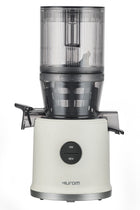
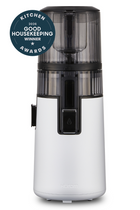
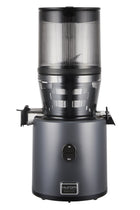
H70: A versatile option that works well across a wide range of ingredients, from leafy greens and herbs to vegetables, fruits, sorbets, and plant-based milks.
-
H80: Features Hurom's largest self-feeding hopper yet, making it a great fit for families, batch juicing, and anyone who prefers spending less time prepping ingredients.
-
H400: Designed for convenience, with a large hopper that handles substantial ingredient loads and makes vegetable-forward batch juicing feel almost effortless.
No matter which model you choose, the goal stays the same: making it easier to turn fresh produce into juice you'll genuinely want to keep making throughout the week.

Low Sugar Juices Can Be Healthier and More Enjoyable
If there's one takeaway I can give you, it's that low-sugar juices don't have to feel restrictive.
A lot of people assume cutting back on sugar means giving up flavor. In reality, it usually means finding new ways to build it.
The best part is that you don't need to change everything overnight. Start with one recipe. Try a new ingredient. Swap out one fruit-heavy blend for a vegetable-forward one and see how it feels.
And if you're making low-sugar juices regularly, having the right juicer makes a difference. A Hurom slow juicer helps you get more from greens, herbs, and vegetables while keeping the process simple enough to stick with day after day.
FAQs
What Are Some Good, Naturally Low-Sugar Fruit Juices?
If you're looking for fruits that bring flavor without pushing sugar levels too high, kiwi, grapefruit, cranberries, berries, and green apples are all great places to start.
The trick is using fruit strategically. A small amount is often enough to brighten an entire recipe.
What Is the Healthiest Type of Juice With No Added Sugar?
There's no single "healthiest" juice for everyone.
That said, homemade juices built around vegetables, greens, herbs, and citrus tend to be some of the most balanced options. Why? Because you control every ingredient that goes into the glass.
Which Juices Have the Lowest Sugar Content Naturally?
Recipes centered on cucumber, celery, spinach, kale, parsley, cabbage, and herbs are usually among the lowest in sugar.
Adding lemon or lime can bring plenty of flavor without changing that balance very much.
Can You Buy Juice That Isn't Loaded With Added Sugar and Sweeteners?
You can, but it's worth taking a closer look at the nutrition label.
Some products contain no added sugars, while others rely on concentrates or fruit-heavy formulas that can still end up surprisingly sweet. That's one reason many people prefer making juice at home.
What Fruits Are Best to Use for Making Low-Sugar Juices at Home?
Green apples, grapefruit, and cranberries all work especially well. They bring brightness, tartness, and natural sweetness without needing large quantities, which makes them easy to pair with vegetables and greens.
How Can I Reduce the Sugar Content When Making Fruit Juices?
Start with the vegetables. From there, use fruit to complement the recipe rather than dominate it. Lemon, lime, mint, parsley, and ginger can all add flavor in ways that don't depend on sweetness.
Once you start experimenting with those ingredients, you'll probably find you need much less fruit than you expected.