


Zumo para la hinchazón: Las 7 mejores recetas para favorecer la digestión
diciembre 19, 2025
Descargo de responsabilidad: La información proporcionada en este contenido es solo para fines educativos e informativos y no constituye asesoramiento médico. Siempre consulte con su médico o un profesional de la salud calificado antes de realizar cualquier cambio en su dieta, rutina de ejercicios o régimen de salud. Las necesidades y respuestas individuales pueden variar.
Todos lidiamos con la hinchazón en algún momento. Tal vez después de comer demasiado rápido, elegir un alimento que su cuerpo no asimiló bien, o incluso debido a una condición que aparece con más frecuencia de lo que le gustaría. Es incómodo, distractor y puede arruinarle el día.
Hacer zumos no es una panacea, pero he descubierto que puede marcar una gran diferencia a la hora de sentirse más ligero y cómodo. Especialmente cuando se enfoca en ingredientes que apoyan la digestión, reducen la retención de agua y calman el intestino.
En esta guía, le explicaré qué causa la hinchazón y qué zumos realmente ayudan. Además, veremos recetas prácticas que puede usar para apoyar su rutina diaria. ¡Empecemos!

¿Qué es la hinchazón y qué la causa?
La hinchazón puede sentirse como una sensación de llenura y estiramiento en el estómago, casi como si hubiera comido más de lo que realmente hizo. No siempre es dolorosa, pero puede hacer que la ropa se sienta más apretada, su energía disminuya y su día se sienta un poco diferente.
Esta sensación suele provenir de una de tres cosas: gases atrapados en el intestino, retención de líquidos o digestión lenta. En algunos casos, es solo una reacción a corto plazo después de una comida abundante o de comer demasiado rápido, mientras que en otros, puede ser el resultado de ciertas enfermedades.
Pero cuando ocurre con más frecuencia, vale la pena prestar atención a lo que podría estar detrás.
No está solo en esto. Esto es lo que nos dice la investigación:
-
Un estudio global de la Fundación Roma encontró que:
-
Alrededor del 18% de los adultos en todo el mundo experimenta hinchazón al menos una vez por semana.
-
Más del 71% de las personas con dolor epigástrico semanal, el 59.7% con náuseas y el 61.7% con dolor abdominal también reportaron hinchazón.
-
La hinchazón tiende a disminuir con la edad. Pero en los adultos jóvenes, es más frecuente y más molesta.
-
Mientras tanto, un estudio dirigido por investigadores del Centro Médico Cedars-Sinai encontró que:
-
Las mujeres tienden a reportar una hinchazón más severa, con dolor abdominal y gases más intensos. Los hombres, por otro lado, son más propensos a mencionar incontinencia intestinal.
-
El 58.5% de las personas que experimentaron hinchazón nunca buscaron atención médica. La mayoría dice que desaparece por sí sola, no es lo suficientemente molesta o la manejan con ajustes en el estilo de vida.
Así que sí, la hinchazón ocurre. Y la mayoría de las veces, no es nada grave. Pero si sigue apareciendo o comienza a afectar su comodidad, probablemente sea hora de investigar qué la está causando.
Causas comunes de la hinchazón
No hay una única razón por la que ocurre la hinchazón. Aquí están las más comunes:
Factores dietéticos
Ciertos alimentos son más difíciles de descomponer, y su intestino se lo hace saber. Las comidas saladas, las bebidas carbonatadas, los lácteos y los carbohidratos ultraprocesados pueden provocar acumulación de gases o retención de líquidos. Lo mismo ocurre con las porciones grandes que abruman su sistema digestivo.
Si padece trastornos de interacción intestino-cerebro como el síndrome del intestino irritable (SII), la hinchazón es aún más común. Algunas fuentes dicen que la prevalencia en esos casos puede superar el 50%.
Además, un estudio en Italia señaló cómo los carbohidratos mal absorbidos y la fermentación en el intestino pueden provocar hinchazón abdominal. El estrés también juega un papel, según ese estudio, al afectar el funcionamiento de su intestino a través del eje intestino-cerebro.
Y si alguna vez se ha sentido hinchado después de algo tan simple como leche o verduras picantes, no se lo está imaginando. Un estudio en Pakistán encontró que el consumo inadecuado de lácteos, verduras y alimentos picantes podría desencadenar la hinchazón en pacientes con SII.
Factores de estilo de vida
La hinchazón no siempre tiene que ver con la comida. Comer demasiado rápido, no moverse o lidiar con el estrés crónico pueden alterar la digestión.
Algo que suele pasar desapercibido es tragar demasiado aire. Puede ocurrir cuando se come demasiado rápido, se habla mientras se mastica o se bebe con pajita. Como señala la Clínica Cleveland, este hábito (conocido como aerofagia) puede provocar hinchazón, dolor por gases y una presión incómoda en el intestino.
Afecciones digestivas o médicas
Cuando la hinchazón sigue reapareciendo, es una señal de que algo más profundo está sucediendo. Afecciones como el SII, la intolerancia a la lactosa, las sensibilidades alimentarias o las fluctuaciones hormonales pueden interferir con la digestión y hacer que la hinchazón sea más frecuente.
Recuerde lo que nos dice la investigación del Cedars-Sinai: las mujeres y las personas con afecciones crónicas (como estreñimiento o colitis ulcerosa) son más propensas a experimentar hinchazón. Es aún más común cuando viene acompañada de gases o molestias abdominales.
Su intestino no suele permanecer en silencio cuando algo anda mal. Y en muchos casos, la hinchazón es una de las primeras señales de que su sistema necesita un cuidado extra.
Gases y retención de líquidos
A veces, la hinchazón es solo que su cuerpo retiene cosas que no necesita.
Los gases atrapados aumentan la presión en el tracto gastrointestinal. Mientras tanto, demasiado sodio puede hacer que retenga líquidos, especialmente si no consume suficiente potasio para equilibrarlo.
Este tipo de hinchazón tiende a aparecer y desaparecer, pero aun así le hace sentir pesado y lento.
¿Ayuda el zumo con la hinchazón?
Hacer zumos no es una solución para todo, pero si se hace correctamente, puede ser un gran aliado contra la hinchazón. Y no, no me refiero a limpiezas extremas ni a beber solo líquido verde durante tres días.
Los zumos hechos con los ingredientes adecuados aportan hidratación, enzimas y beneficios antiinflamatorios; todo sin sobrecargar el intestino. Y cuando usa una licuadora de prensado en frío como las que fabricamos, mantiene intacta una mayor parte de los nutrientes.
Así es como el zumo fresco puede marcar la diferencia:
Apoyo a la digestión natural
Algunas frutas y verduras tienen compuestos naturales que ayudan a su cuerpo a descomponer los alimentos más fácilmente.
Cuando los exprime, le da un respiro a su sistema y hace que la digestión se sienta menos como un trabajo duro. Encontrará mucho de ese apoyo en frutas tropicales, hierbas y cítricos (más adelante hablaremos de los ingredientes específicos).
También hay investigaciones que lo respaldan. En un estudio, las mujeres que bebieron 300 ml de zumo de naranja 100% todos los días durante 60 días vieron un aumento en las bacterias intestinales "buenas". Si un zumo comprado en la tienda puede hacer eso, imagine lo que obtiene de ingredientes frescos y enteros en casa.
Otro estudio encontró que el zumo de uva blanca, que es bajo en FODMAP, producía menos gases que el zumo de manzana en sujetos sanos. Eso es un recordatorio útil de que algunas frutas son más fáciles de digerir que otras, especialmente cuando la hinchazón ya es un problema.
Mejora de la hidratación y el equilibrio electrolítico
La deshidratación y el desequilibrio de líquidos son causas comunes de hinchazón. Cuando su cuerpo retiene agua, puede estar tratando de protegerse de perder más (en muchos casos).
Los zumos elaborados con ingredientes ricos en agua y potasio (como pepino, apio y piña) pueden ayudar a liberar el exceso de sodio y reducir la retención de líquidos.
Reducción de la inflamación y desintoxicación del intestino
Algunos zumos van un paso más allá al ayudar a calmar la inflamación en el tracto digestivo. Ingredientes como el jengibre, la cúrcuma, el hinojo y las verduras de hoja verde contienen compuestos naturales que pueden calmar el intestino y reducir las molestias.
Incluso los zumos ricos en polifenoles han mostrado potencial para mejorar el microbioma intestinal en algunas personas. Si bien los resultados no son los mismos para todos, aún pueden ofrecer apoyo antiinflamatorio como una estrategia a largo plazo para una mejor salud digestiva.
Por qué los zumos prensados en frío funcionan mejor
No todos los zumos son iguales. Las licuadoras tradicionales se basan en la velocidad y el calor, lo que puede dañar las enzimas y reducir el contenido de nutrientes.
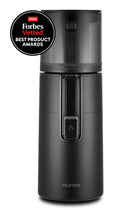
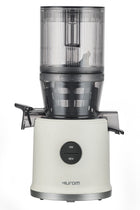
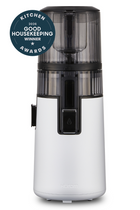
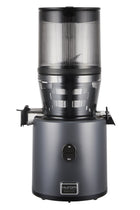
Las licuadoras de prensado en frío, como los modelos Hurom, utilizan un movimiento de prensado lento y suave que conserva más nutrientes, enzimas digestivas y sabor. Eso marca una gran diferencia cuando se intenta apoyar la digestión con ingredientes reales y funcionales.
También significa que se aprovecha más la fruta y la verdura, sin la espuma o la separación que se obtiene con máquinas más baratas.
Y créame, esa textura limpia hace que beber zumo prensado en frío se sienta como un placer.

Mejor zumo para la hinchazón: ingredientes clave a utilizar
Si quiere que su zumo realmente ayude con la hinchazón, los ingredientes importan. Aquí están algunos de los más efectivos que mantengo en rotación:
-
Jengibre: Ayuda a estimular la digestión y aliviar los gases o calambres. Es mi opción cuando siento tensión en el estómago o quiero algo que lo calme todo.
-
Pepino: Repleto de agua y potasio. Hidrata y ayuda a eliminar el exceso de sodio, una de las razones más sutiles detrás de la retención de líquidos.
-
Piña: Contiene bromelina, una enzima que favorece una digestión más suave y puede ayudar a reducir la inflamación en el tracto gastrointestinal.
-
Limón: Estimula suavemente el ácido estomacal y apoya el proceso de desintoxicación natural del cuerpo. Me gusta añadirlo tanto por el sabor como por el apoyo digestivo.
-
Apio: Alto en agua y electrolitos, especialmente potasio. Actúa como un diurético suave natural y ayuda a liberar la retención de líquidos sin estresar el cuerpo.
-
Menta: Ayuda a relajar el tracto digestivo y puede aliviar la hinchazón causada por los gases.
-
Perejil: Apoya la liberación natural de líquidos y añade una nota fresca y herbal a cualquier zumo.
-
Manzana verde: Añade la cantidad justa de acidez y fibra sin hacer que el zumo sea demasiado pesado.
Usar cualquier combinación de estos es un excelente punto de partida. Y si trabaja con el tipo de licuadora adecuado, obtendrá la mejor textura y retención de nutrientes sin pulpa ni desorden adicionales.
El mejor zumo para la digestión y la hinchazón: 7 recetas que debería probar
Cuando mi digestión se siente mal, o noto esa incómoda pesadez, no busco algo intenso. En cambio, opto por un zumo que se siente limpio, ligero y fácil de digerir.
Estas son las mezclas que mejor me han funcionado. Están repletas de ingredientes hidratantes y hierbas antiinflamatorias que ofrecen apoyo digestivo:
1. Zumo anti-hinchazón de piña
Empecemos con una de las mezclas más fáciles de amar. Este zumo es brillante, ligero y limpio; terminado con la acidez justa para mantenerlo fresco.
Por qué funciona:
Más allá de la bromelina, la piña está repleta de compuestos bioactivos, fibra y antioxidantes que apoyan la digestión en múltiples niveles. Además, se ha relacionado con efectos antiinflamatorios y una mejor regulación del movimiento intestinal, lo cual es clave cuando te sientes hinchado o con pereza.
El apio aporta hidratación y potasio para ayudar a eliminar el exceso de agua, mientras que la lima estimula suavemente la producción de ácido estomacal. El resultado es una combinación que sabe limpia y te ayuda a sentirte más ligero.

Ingredientes:
-
1 taza de trozos de piña
-
2 tallos grandes de apio
-
½ lima, pelada
Preparación:
-
Lavar la piña y el apio, y pelar la lima.
-
Pasar todo por la licuadora.
-
Remover ligeramente y disfrutar de inmediato.
2. Zumo de arándanos, manzana y jengibre
Este es un zumo al que recurro cuando quiero algo fresco y energizante que, a la vez, sea suave para el intestino. Esta mezcla es refrescante y beneficiosa, sin ser demasiado dulce o pesada.
Por qué funciona:
Los arándanos pueden ayudar a limitar la acumulación de bacterias dañinas en el intestino y proteger contra la inflamación; dos cosas importantes cuando la hinchazón forma parte del cuadro. La manzana aporta pectina para una digestión más suave, mientras que el pepino refresca e hidrata. Por último, el jengibre proporciona un alivio bien documentado para los gases, la hinchazón y las molestias estomacales.

Ingredientes:
-
60-90 g de arándanos frescos
-
1 manzana, cortada para que quepa en tu licuadora
-
1.2-2.5 cm de jengibre fresco
-
½ pepino
Preparación:
-
Lava bien todos los ingredientes.
-
Corta la manzana y el pepino en trozos más pequeños para que quepan en tu licuadora.
-
Pásalo todo por tu licuadora de prensado en frío Hurom.
-
Remueve suavemente y disfruta de inmediato.
Consejo profesional: ¿Te encantan los arándanos en tus zumos? No te pierdas estas recetas de zumo de arándanos para más ideas que logran ese mismo equilibrio agridulce.
3. Zumo verde para mujeres contra la hinchazón
Esta receta de zumo fue diseñada pensando en las necesidades de las mujeres, especialmente durante esos días en que la digestión no funciona bien o el cuerpo retiene líquido extra. Es suave, ligero y está lleno de ingredientes que favorecen suavemente el bienestar sin añadir pesadez.
Por qué funciona:
Ya has visto cómo la piña y el apio favorecen la digestión y la hidratación. Aquí, se combinan con el hinojo, usado tradicionalmente para aliviar la hinchazón, los gases y la indigestión, junto con el sutil aporte de fibra del kiwi. La cúrcuma y el jengibre ofrecen un apoyo antiinflamatorio adicional, mientras que la lechuga romana mantiene la mezcla ligera, fresca y fácil de digerir.

Ingredientes:
-
1 taza de trozos de piña
-
1 bulbo de hinojo pequeño (o ½ bulbo mediano)
-
1 kiwi, pelado
-
1 tallo de apio
-
1 trozo de jengibre de 2,5 cm
-
1 trozo de cúrcuma de 1,2 cm
-
2-3 hojas de lechuga romana
Preparación:
-
Lava bien todos los ingredientes.
-
Pela el kiwi, el jengibre y la cúrcuma.
-
Corta la piña, el hinojo y el apio en trozos que quepan en tu licuadora.
-
Licúa todo. Remueve suavemente y disfruta fresco.
Consejo profesional: ¿Te gustan las mezclas como esta? No te pierdas estas recetas de zumos verdes para otras combinaciones que favorecen la energía, la concentración o simplemente un día mejor.
4. Bebida desintoxicante para la hinchazón (hinojo, limón y jengibre)
Este es genial cuando quiero algo limpio, refrescante y no demasiado afrutado. Tiene una textura ligera, un sabor aromático, y al instante parece que ayuda a que todo fluya.
Por qué funciona:
A estas alturas, ya sabes lo que aportan el jengibre y el hinojo. Aquí, el limón desempeña un papel protagonista al ayudar a activar los jugos digestivos y favorecer la desintoxicación. La pera añade un dulzor suave y fibra (incluso más contenido de fibra que una manzana), lo que ayuda a la digestión sin hacer que el zumo sea pesado. Por último, el apio aporta la hidratación y los minerales necesarios para ayudar a eliminar el sodio.
Ingredientes:
-
1 limón, pelado
-
1 trozo de jengibre de 2,5 cm
-
1 bulbo de hinojo pequeño (o ½ bulbo mediano)
-
1 pera madura
-
1 tallo de apio
Preparación:
-
Lava bien todos los ingredientes.
-
Pela el limón y corta la pera, el hinojo y el apio en trozos.
-
Licúa todo. Remueve ligeramente y disfruta fresco.
Consejo profesional: ¿Te gusta este tipo de desintoxicación suave? Probablemente querrás probar algunas de estas recetas de zumos desintoxicantes a continuación; diferentes ingredientes, la misma sensación de reinicio.
5. Refresco de pepino y menta para la hinchazón (con perejil)
Este es el tipo de zumo que busco cuando quiero algo ultraligero y refrescante, especialmente en los días calurosos o después de comidas que me parecen demasiado saladas. Tiene un sabor fresco y herbáceo que lo enfría todo y te deja con una sensación de ligereza.
Por qué funciona:
El pepino y el limón son ambos conocidos por favorecer la digestión, como hemos visto antes. La menta añade un toque refrescante y relajante al zumo. Su mentol natural puede ayudar a relajar el tracto digestivo, un beneficio que se ha estudiado con mayor frecuencia en el aceite de menta, pero que sigue presente en la menta fresca.
Por último, el perejil favorece la eliminación del exceso de líquidos, y un poco de jengibre añade una ayuda extra para los gases y la hinchazón.

Ingredientes:
-
1 pepino
-
1 taza de hojas de menta fresca
-
1 limón, pelado
-
Un puñado pequeño de perejil fresco
-
1 trozo de jengibre de 2,5 cm (opcional)
Preparación:
-
Lava bien todos los ingredientes.
-
Pela el limón y corta el pepino en trozos.
-
Pásalo todo por la licuadora.
-
Remueve suavemente y disfruta de inmediato.
6. Zumo de apio fácil para la hinchazón
Algunos días, solo quiero algo sencillo, y esta es mi opción preferida con poco esfuerzo. Limpio, ligero y fácil de preparar, este zumo le da a tu sistema un reinicio suave sin añadir pasos extra.
Por qué funciona:
A estas alturas, el papel del apio en la hidratación y el equilibrio del sodio debe resultarte familiar. Aquí, es el protagonista. Un toque de limón le da un apoyo digestivo extra, y añadir un poco de jengibre lo hace más calmante, especialmente si te sientes con gases o tensa. Es mínimo, pero efectivo.
Ingredientes:
-
4-5 tallos de apio
-
½ limón, pelado (opcional)
-
1,2 cm de jengibre (opcional)
Preparación:
-
Lava el apio y córtalo en trozos.
-
Pasa el apio por la licuadora, añadiendo el jengibre si lo utilizas.
-
Si te gusta un sabor más brillante, licúa también el limón pelado.
-
Remueve ligeramente y disfruta de inmediato.
Consejo profesional: ¿Eres un gran fan del apio en tus bebidas caseras? Encontrarás aún más combinaciones en estas recetas de zumos de apio, cada una con su propio conjunto de beneficios.
7. Zumo detox de achicoria
Este último se siente como un botón de reinicio cuando tu intestino simplemente no coopera. Es terroso, fresco y sutilmente dulce; algo que me gusta preparar cuando la digestión se siente lenta, pero no quiero nada demasiado pesado o afrutado.
Por qué funciona:
La achicoria aporta un amargor natural que ayuda a despertar tu digestión cuando las cosas se sienten estancadas. Un estudio reciente en Francia incluso mostró que sus compuestos permanecen activos después de la digestión, aún haciendo su trabajo con efectos antiinflamatorios y de apoyo intestinal. La manzana mantiene la mezcla suave y lo suficientemente dulce, mientras que el pepino añade una hidratación limpia que se ingiere fácilmente.
Ingredientes:
-
7 hojas de achicoria (unos 30 g)
-
1 manzana (unos 250 g), cortada para que quepa en tu licuadora
-
½ pepino (unos 100 g)
Preparación:
-
Lava bien las hojas de achicoria, la manzana y el pepino.
-
Corta la manzana y el pepino en trozos.
-
Pásalo todo por la licuadora.
-
Remueve ligeramente el zumo y disfruta fresco.
Qué alivia la hinchazón rápidamente: consejos para prevenir y reducir la hinchazón de forma natural
Incluso el mejor zumo no puede hacerlo todo si tus hábitos diarios se interponen.
He notado que la mayor diferencia se produce cuando combino los ingredientes adecuados con pequeños cambios constantes. Nada extremo, solo cambios simples que ayudan a que tu intestino se mantenga tranquilo y regular.
Aquí tienes algunos consejos que funcionan bien junto con una rutina diaria de zumos:
-
Bebe tu zumo con el estómago vacío o entre comidas. De esa manera, tu cuerpo puede absorber los nutrientes de manera más eficiente, sin competir con una comida pesada.
-
Evita los alimentos procesados y los edulcorantes artificiales. Estos suelen provocar hinchazón, especialmente si eres sensible a los aditivos, el exceso de sodio o los alcoholes de azúcar.
-
Come despacio y mastica bien los alimentos. Parece básico, pero es fundamental. Reduces el aire tragado y le das a tu digestión una ventaja.
-
Mantente físicamente activo y muévete después de las comidas. Caminar ligero, estirar o simplemente mantenerte erguido puede ayudar a tu cuerpo a procesar los alimentos y reducir la acumulación de gases.
-
Maneja el estrés y duerme lo suficiente. El estrés afecta la digestión más de lo que la mayoría de la gente piensa. Un sistema más tranquilo digiere mejor, y punto.
-
Registra lo que comes para identificar desencadenantes personales. El intestino de cada persona es diferente. Anotar las cosas puede ayudarte a notar patrones y evitar los alimentos que te provocan malestar.
Si te adhieres aunque sea a algunas de estas recomendaciones, probablemente notarás que la hinchazón comienza a ocurrir con menos frecuencia. Y cuando sucede, no dura mucho.

¿Debería probar una limpieza con jugos para la hinchazón?
Es una pregunta justa, especialmente si te has sentido hinchado con más frecuencia de lo habitual.
Algunas personas confían en las limpiezas con jugos para sentirse más ligeras, pero si ayudan (o empeoran las cosas) realmente depende de por qué estás hinchado en primer lugar.
Si tu hinchazón proviene de demasiada sal, alimentos procesados o poca fibra, una breve desintoxicación con jugos podría brindar un alivio temporal. Pero si está relacionada con algo como el SII, cambios hormonales o sensibilidades alimentarias, una limpieza probablemente no resolverá mucho. De hecho, podría ser contraproducente.
La investigación respalda esto. Un estudio de 2025 publicado en Nutrients encontró que después de solo tres días de una dieta exclusiva de jugos, los participantes mostraron cambios en el microbioma relacionados con la inflamación y problemas en el revestimiento intestinal. Eso no es exactamente lo que buscas si intentas sentirte mejor.
Por eso siempre he visto el jugo como parte de una rutina a largo plazo, no como una solución rápida. Las mezclas simples con ingredientes reales pueden apoyar la digestión, pero funcionan mejor cuando se combinan con hábitos pequeños y constantes.
La investigación de Cedars-Sinai lo respalda. En muchos casos, la hinchazón mejora con apoyo médico específico, como antibióticos dirigidos al intestino, tratamientos basados en serotonina o cambios en el estilo de vida, como el fortalecimiento del core y ajustes dietéticos.
La clave es averiguar qué hay detrás de tu hinchazón. Eso es algo que vale la pena discutir con tu médico, especialmente si ocurre a menudo o viene acompañado de otros síntomas digestivos.
Así que sí, el jugo puede ayudar, pero una limpieza no siempre es la respuesta. Y si pruebas una, que sea suave, corta y basada en ingredientes integrales, no en una restricción.
Consejo profesional: ¿Curioso sobre las limpiezas con jugos para un objetivo diferente, como la pérdida de peso? Echa un vistazo a esta limpieza con jugos de 3 días que se enfoca en mezclas simples y nutritivas que realmente puedes disfrutar.
Una forma sencilla de apoyar la digestión y sentirte más ligero
Cuando la hinchazón se convierte en parte de tu rutina, es fácil sentirse frustrado. Pero a veces, pequeños cambios son todo lo que se necesita para que tu sistema vuelva a equilibrarse. Los jugos no son una solución milagrosa, pero con los ingredientes adecuados y un poco de constancia, pueden marcar una verdadera diferencia.
El jugo fresco ayuda a hidratar tu cuerpo, apoyar la digestión y aliviar esa incómoda sensación de plenitud. Funciona mejor cuando forma parte de un hábito más amplio de comer bien, moverse más y escuchar a tu intestino.
Por eso me gusta tener mi extractor de jugos Hurom en la encimera, siempre listo para usar. Me ayuda a convertir alimentos integrales y reales en algo que apoya cómo me siento, sin ocupar todo mi día.
Es un hábito pequeño, pero uno que me ayuda a sentirme mejor cuando las cosas no van bien. Y podría hacer lo mismo por ti.
Preguntas frecuentes
¿Qué jugo es bueno para la hinchazón?
Busca jugos hechos con ingredientes que apoyen la digestión, reduzcan la retención de agua y calmen el intestino. Las mezclas con pepino, piña, apio, hinojo, limón y jengibre son algunas de las más efectivas.
Estos ingredientes hidratan, proporcionan enzimas clave y ayudan a aliviar la inflamación, todo lo cual puede apoyar la salud intestinal y hacer que la hinchazón sea menos intensa.
¿El jugo de arándano es bueno para la hinchazón?
En pequeñas cantidades y cuando se combina con otros ingredientes, sí. Los arándanos frescos tienen propiedades antiinflamatorias leves y un efecto ligeramente diurético, lo que puede favorecer el confort intestinal. Pero por sí solos (especialmente en forma procesada con azúcar añadido), el jugo de arándano no es la mejor opción para aliviar la hinchazón o los picos de azúcar en la sangre.
¿El jugo de piña es bueno para la hinchazón?
Absolutamente. El jugo de piña contiene bromelina, una enzima natural que ayuda a descomponer las proteínas y a facilitar una digestión más suave. También es hidratante y añade un dulzor agradable que funciona bien en mezclas para desinflamar. Solo mantén las porciones moderadas si eres sensible a los azúcares naturales o propenso a las caídas de energía.
¿Cómo ayuda el jugo a reducir la hinchazón en el estómago?
El jugo fresco ayuda de varias maneras. Hidrata, apoya la digestión con enzimas naturales y proporciona compuestos antiinflamatorios que pueden calmar el intestino.
Cuando usas ingredientes integrales y ricos en agua, también puede eliminar el exceso de sodio y aliviar la acumulación de gases, que son dos causas comunes de hinchazón. Estos son solo algunos de los beneficios para la salud que puedes obtener cuando los jugos se convierten en parte de tu rutina.
¿Cuáles son los mejores kits de desintoxicación con jugos para la hinchazón?
En lugar de kits de desintoxicación completos, me centraría en jugos caseros individuales con ingredientes reales y sin azúcares añadidos ni concentrados. Los kits preenvasados varían en calidad, y no todos priorizan el apoyo digestivo o brindan beneficios de desintoxicación reales.
¿Hay algún jugo que deba evitarse si se tiene hinchazón frecuente?
Sí. Algunos jugos pueden empeorar la hinchazón, especialmente si son ricos en fructosa, fibra o azúcares fermentables (como en el jugo de manzana o pera cuando se consume solo). Además, los jugos hechos con edulcorantes artificiales o estabilizadores pueden ser irritantes para los intestinos sensibles.
En caso de duda, comienza con porciones pequeñas y elige frutas bajas en FODMAP. Además, intenta mantener el jugo como parte de una dieta de alimentos integrales si la hinchazón es un problema recurrente.