



Jugos Para Bajar El Azúcar: Guía Rápida + 8 Recetas Fáciles
diciembre 08, 2025
Legal Disclaimer: The information provided in this content is for educational and informational purposes only and does not constitute medical advice. Always consult with your doctor or a qualified healthcare professional before making any changes to your diet, exercise routine, or health regimen. Individual needs and responses may vary.

Sugar control isn't just for those with a diagnosis. Now, it's for anyone who wants to avoid fatigue, sudden cravings, or those energy-draining crashes.
The numbers say it all. In 2024, the International Diabetes Federation (IDF) estimated over 589 million adults with diabetes, a number that could reach 850 million by 2050. So yes, it's a global issue, but also a very personal one.
For this reason, juices to lower sugar are a simple way to support your routine when you choose the right ingredients. I prepare them as a complement, especially when I want something nutritious that won't spike my glucose. They're not a miracle solution, but they are an accessible tool that makes a difference.
Next, I'll tell you in detail how to incorporate them into your routine to keep your glucose levels under control. Let's begin.
What is the Glycemic Index and Why is it Important?
When you're trying to improve your sugar levels, the glycemic index (GI) becomes a quick reference. It's not complicated; it tells you how quickly a food raises blood glucose:
-
High = sharp rise.
-
Medium = moderate rise.
-
Low = a more stable pace.
That stability is exactly what you're looking for when you don't want to feel bloated, sleepy, or hungry an hour later.
Then there's the glycemic load, which takes it a step further. It not only measures speed but the actual impact based on the amount of carbohydrates.
I see it as the practical part: a sip of juice with one apple is not the same as three apples in the glass. Your body feels the difference immediately.
And this is not a minor issue.
I remind you that the IDF estimated over 589 million adults with diabetes in 2024. Meanwhile, in Latin America, the Pan American Health Organization (PAHO) estimates over 112 million adults living with this condition. These figures reflect how easy it is to lose metabolic balance if you don't take care of your daily choices.
This is where natural juices can help you: combinations with low GI, fresh ingredients, and a preparation method that maintains what really suits you.
How Juices Can Help Control Blood Sugar
When you're trying to maintain stable sugar levels, what you drink matters as much as what you eat. Juices can help, yes, but only when they're well made. No added sugar, no industrial blends, and no excessive fruit that spikes glucose.
Let's look in detail at how this is possible:
Natural Juices vs. Industrial Juices for Lowering Sugar
Industrial juices are usually the worst starting point. They have added sugars, little fiber, and a composition that raises glucose faster than your body can handle. They give you immediate energy… and an equally quick crash.
Natural juices are another thing. With them, you get vitamin C, plant compounds, soluble fibers, and a milder impact on glucose. It all depends on the fruits and vegetables you use, and how much you use.
The evidence is interesting. In Japan, a study in young women showed that a green leaf juice (kale, young barley) reduced glucose levels at 90 and 120 minutes compared to water. Not only that: it worked whether taken before or with the meal, which is very practical for daily life.
Other Japanese studies point in the same direction. One found that 200 ml of vegetable juice reduces postprandial increase when consumed 30 minutes before a meal. Meanwhile, the other observed the same effect using vegetable juice or a vegetable-fruit blend.
In both cases, the juice acts as a "brake" that softens the impact of carbohydrates and makes the body's response much more manageable.

The Role of Cold-Pressed Juices in Lowering Sugar
Cold-pressed juices make a difference because they preserve what you need: enzymes, antioxidants, and soluble fibers. Slow extraction avoids heat and oxidation, two factors that reduce nutritional value in other methods.
This translates into something simple:
-
Slower digestion
-
More stable absorption
-
Longer-lasting feeling of fullness
In my experience, when I prepare a juice with a cold press juicer, I feel a much lighter impact on glucose than with a traditional blender. And it's especially noticeable after carbohydrate-rich meals.
Nutritional Balance in Juices
Here's the key that keeps everything under control: the ratio.
The rule that never fails is 70% vegetables and 30% fruits. This way, you get flavor without turning your juice into a fructose shot.
You can add fats or plant-based proteins (like chia or flaxseed) to further slow absorption. These are small additions that completely change how your glucose responds.
Evidence also provides useful context: a review of 18 clinical trials analyzed commercial 100% fruit juices, the typical ones you find in supermarkets.
The result was clear: these juices have a neutral effect on glycemic control. They do not provide the balance or nutritional quality of a natural juice prepared with fresh fruits and vegetables. And that's where the real difference lies.
How to Lower Sugar Quickly: Ideal Fruits and Vegetables
When you're looking to lower sugar quickly, you don't need complicated formulas.
What makes the difference is choosing low-GI fruits, vegetables that provide fiber and water, and some natural enhancers that support insulin sensitivity.
With that mix, your juices become more stable, lighter, and much more useful for your daily routine. Below are the most important basics.
Low Glycemic Index Fruits
Fruits are not the enemy; you just need to choose the right ones. Low glycemic index fruits are perfect for adding flavor without spiking glucose. The ones that work best are:
-
Green apple
-
Pear
-
Kiwi
-
Grapefruit
-
Berries
These fruits provide fiber, antioxidants, and a lower amount of fructose compared to sweeter options. They work especially well when used in moderate portions, just enough to round out the flavor of the juice without making it too fruity.
Vegetables and Greens to Lower Sugar
Here is the true core of a functional juice. Vegetables are what allow for more stable absorption and a better blood sugar control response.
The most reliable ones are:
-
Spinach
-
Kale
-
Cucumber
-
Celery
-
Nopal cactus
-
Zucchini
All are rich in water, soluble fibers, and plant compounds that support metabolism without adding a high glucose load.
That's why they should be the base of any juice designed for stability: they give you volume, freshness, and a much smoother absorption curve.
Metabolism-Boosting Ingredients
There are ingredients that don't change the volume of the juice, but do change its functional value:
-
Ginger, with effects associated with better glycemic control in people with type 2 diabetes.
-
Turmeric, linked to improvements in glucose, insulin resistance, and other metabolic markers when used consistently.
-
Cinnamon, linked to reductions in fasting glucose, insulin, and glycemic control parameters.
-
Citrus fruits like lemon or lime, which add vitamin C and brightness without raising sugar.
-
Seeds like chia or flax, which provide soluble fibers to slow absorption.
These are small finishing touches that elevate any juice, especially if you're looking for greater glycemic control without sacrificing flavor.
Benefits of Cold-Pressed Juices for Glucose Control
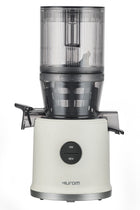
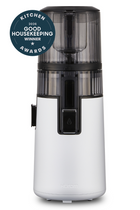
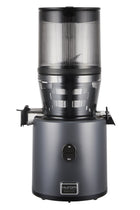
When you're looking for juices that truly support glycemic control, the extraction method makes all the difference. Cold-pressed juicers, like those offered by Hurom, work slower and with less nutrient loss.
These are the benefits you'll notice most:
-
Less oxidation: Slow, heat-free extraction preserves enzymes and antioxidants that aid in better glucose regulation.
-
Better natural texture: The juice remains more stable and without the foam that separates quickly, allowing the body to process it more smoothly.
-
More intact nutrients: Cold pressing preserves vitamins, soluble fibers, and plant compounds that support metabolic balance.
-
Slower absorption: By not completely breaking down the plant structure, the juice enters the body at a more controlled rate. This helps prevent sudden spikes in sugar levels.
-
More authentic flavor: Ingredients retain their true taste. You don't need to sweeten or adjust too much because the freshness is palpable.
-
Greater satiety: The denser texture and the presence of soluble fibers help you feel full for longer.
Pro Tip: Cold-pressed juices are not a miracle solution for lowering sugar. Instead, they are a solid aid for maintaining more stable energy levels while improving your relationship with what you consume every day.

Juices to Lower Sugar and Cholesterol: 8 Best Recipes
These recipes are designed for what you're looking for: stability in your glucose levels, real flavor, and ease of integration into your daily life. All work well in a juicer and leverage the best of low-GI fruits and vegetables.
Let's take a look:
1. Beetroot Juice with Ginger
This juice feels intense and energetic from the first sip. It has a natural balance of freshness and depth, with a warm touch that makes it very pleasant.
If you're looking for something with character but easy to drink, this fits perfectly.
Why it helps control sugar:
La remolacha aporta carbohidratos que el cuerpo procesa a un ritmo más estable. El jengibre suma compuestos que pueden apoyar la sensibilidad a la insulina. Y la manzana verde, al tener un IG más bajo que otras variedades, equilibra el sabor sin disparar la carga glucémica.

Ingredientes:
-
1 remolacha grande, pelada
-
1 trozo de jengibre (5 cm)
-
2 manzanas verdes
-
½ limón pelado (opcional)
Preparación:
-
Lava y pela lo necesario.
-
Corta únicamente lo que haga falta para que entre en el extractor.
-
Primero extrae la remolacha, luego el jengibre, después la manzana y al final el limón.
-
Mezcla bien y sirve al momento.
2. Jugo Verde Ligero Para Equilibrar El Azúcar
Este jugo verde tiene un perfil suave, fresco y muy limpio. Es de esos que entran fácil y dejan una sensación ligera, ideal para mañanas en las que quieres algo verde sin que sea demasiado intenso.
Por qué ayuda a controlar el azúcar:
En esta combinación predominan ingredientes ricos en agua, fibra vegetal y con un impacto mínimo en el índice glucémico.
El pepino encaja muy bien porque es bajo en calorías y carbohidratos, y prácticamente no tiene carga glucémica. Mientras, el apio es de las pocas verduras con ensayos clínicos que sugieren una reducción real en la glucosa en ayunas en adultos. Y la espinaca completa la mezcla con volumen vegetal ligero sin elevar el azúcar.

Ingredientes:
-
1 taza de espinaca fresca
-
1 pepino mediano
-
1 tallo de apio
Preparación:
-
Lava los ingredientes con cuidado.
-
No peles el pepino a menos que prefieras un sabor más suave.
-
Extrae primero la espinaca, luego el apio y por último el pepino.
-
Sirve inmediatamente para conservar su frescura.
Pro Tip: Si te gusta este tipo de bebidas, dale un vistazo a estas recetas de jugo verde. Allí encontrarás combinaciones igual de ligeras con beneficios extra para tu salud.
3. Jugo De Kale Con Manzana Verde
Este jugo tiene una frescura suave con un toque verde más marcado, pero sin volverse intenso. Es ligero, fácil de tomar y con una nota ácida muy agradable.
Por qué ayuda a controlar el azúcar:
El kale trabaja bien cuando buscas estabilidad. Incluso hay estudios que muestran que snacks hechos con kale tienen IG y carga glucémica bajos, lo que apunta a una respuesta más suave en la glucosa. Trasladado al jugo, eso significa impacto moderado y una absorción más controlada.
La manzana verde completa la mezcla con pectina y dulzor ligero, manteniendo el jugo dentro de un perfil estable sin volverse demasiado frutal.
Ingredientes:
-
1 taza de kale
-
1 manzana verde
-
Gotas de limón (opcional)
Preparación:
-
Lava muy bien los ingredientes.
-
Corta la manzana solo si es necesario.
-
Extrae primero el kale y luego la manzana.
-
Añade un poco de limón si prefieres un sabor más vivo.
-
Sirve al momento.
4. Jugo De Brócoli Con Espinaca
Este jugo se siente más verde, más vegetal, pero sigue siendo fresco y ligero. Es ideal cuando buscas algo sabroso que no tenga dulzor y que dé una sensación más “funcional” sin ser difícil de beber.
Por qué ayuda a controlar el azúcar:
El brócoli tiene un índice glucémico muy bajo (cercano a 15) y aporta sulforafano, un compuesto que ayuda a que la respuesta glucémica sea más estable. La espinaca, ya presente en otras recetas, aporta fibras suaves y micronutrientes que completan el perfil sin añadir azúcar ni carga extra.

Ingredientes:
-
1 taza de flores de brócoli
-
1 taza de espinaca
-
½ limón pelado
-
½ pepino o 1 tallo de apio (opcional)
Preparación:
-
Lava todo cuidadosamente.
-
Corta el brócoli en piezas pequeñas.
-
Extrae la espinaca, luego el brócoli y por último el limón.
-
Agrega pepino o apio si deseas un sabor más suave.
-
Sirve inmediatamente.
5. Jugo Herbal De Perejil Y Pepino
Vamos ahora con un jugo de perfil herbal suave que se siente ligero desde el primer sorbo. Perfecto para los días en los que quieres algo fresco, simple y funcional sin nada de dulzor.
Por qué ayuda a controlar el azúcar:
El perejil aporta flavonoides, polifenoles y antioxidantes que pueden apoyar un mejor manejo del estrés oxidativo e inflamación, dos factores que suelen empeorar la resistencia a la insulina. El pepino y el apio, como ya vimos en otras recetas, mantienen la mezcla hidratante y con prácticamente cero carga glucémica.
Ingredientes:
-
1 taza de perejil fresco
-
1 pepino mediano (sin pelar)
-
1 tallo de apio
-
Unas gotas de limón (opcional)
Preparación:
-
Lava todos los ingredientes.
-
Extrae primero el perejil, luego el apio y al final el pepino.
-
Añade limón al gusto, si deseas.
-
Sirve de inmediato.
6. Jugo Rubí De Granada Y Tomate Cherry
Este es un jugo diferente, ligero y con un perfil fresco que combina dulzor natural con una nota vegetal suave. Aparte, su color vibrante es muy apetecible a simple vista.
Por qué ayuda a controlar el azúcar:
La granada tiene IG bajo y aporta polifenoles, pero eso no es todo. Según un estudio en Irán, una sola dosis de jugo fresco logró reducir los niveles de insulina periférica. Esto implica una mejor sensibilidad a la insulina o a que el cuerpo necesita menos para manejar la misma glucosa.
Los tomates cherry completan la mezcla con hidratación y casi cero carbohidratos, manteniendo la respuesta glucémica mucho más estable.

Ingredientes:
-
1 granada grande
-
300 g de tomates cherry
-
Unas gotas de limón (opcional)
Preparación:
-
Parte la granada y extrae las semillas.
-
Lava los tomates.
-
Coloca los tomates en el extractor y luego la granada.
-
Agrega limón si así lo deseas.
-
Sirve al momento.
Pro Tip: Regular el azúcar es solo una de las fortalezas de la granada. Si quieres saber más al respecto, te invito a conocer más sobre el jugo de granada y sus beneficios.
7. Jugo De Nopal Y Apio
Es un jugo suave y vegetal, con una frescura muy ligera. Si vives en un país donde el nopal es común (como México, partes de Centroamérica o el Caribe), ya sabes que es un ingrediente muy apreciado por su textura y su aporte de fibra.
Por qué ayuda a controlar el azúcar:
El nopal aporta fibra soluble y, según estudios, tiene propiedades útiles para el manejo de la diabetes tipo 2, especialmente por su impacto en la glucosa. En pocas palabras, ayuda a que la absorción sea más lenta y manejable.
El apio, como en otras recetas, mantiene la mezcla hidratante y casi sin carbohidratos. Por último, la piña en una cantidad pequeña suma frescura sin alterar el perfil glucémico.
Ingredientes:
-
1 nopal mediano, sin espinas
-
1 tallo de apio
-
¼ taza de piña fresca
-
Jugo de ½ limón (opcional)
Preparación:
-
Lava bien el nopal y el apio.
-
Corta únicamente lo necesario.
-
Extrae primero el nopal, luego el apio y al final la piña.
-
Sirve al momento.
8. Jugo de Kiwi y Manzana Verde
Este jugo es fresco, ácido y muy ligero. Tiene un perfil frutal suave que no se siente pesado y que funciona muy bien cuando quieres algo refrescante sin elevar demasiado el dulzor.
Por qué ayuda a controlar el azúcar:
El kiwi es de esos ingredientes que trabajan contigo y no en tu contra. Tiene IG bajo y, según revisiones dietéticas, genera subidas de glucosa mucho más pequeñas que otros alimentos ricos en carbohidratos. En pocas palabras: es una fruta que no te dispara el azúcar.

Ingredientes:
-
1 manzana verde
-
2 kiwis pelados
-
Unas gotas de limón (opcional)
Preparación:
-
Lava la manzana y pela los kiwis.
-
Extrae primero los kiwis y luego la manzana.
-
Agrega limón si quieres un toque más fresco.
-
Sirve de inmediato.
Consejos Para Integrar Los Jugos En Tu Rutina Diaria
Cuando buscas mantener niveles de azúcar más estables, la forma en que integras los jugos es tan importante como los ingredientes que eliges.
Aquí tienes formas prácticas de hacerlo sin complicar tu rutina:
-
Tómalos en ayunas cuando quieras empezar más ligero: Es una forma sencilla de activar tu digestión sin darle al cuerpo una carga de azúcar innecesaria.
Úsalos entre comidas para evitar antojos rápidos: Funcionan bien como opción fresca cuando necesitas algo para “pasar el hueco” sin afectar tus niveles de azúcar en la sangre.
Inclúyelos después del ejercicio si buscas hidratación real: Te aportan micronutrientes y un perfil más estable que un jugo industrial o una bebida muy dulce.
Acompáñalos con comidas ricas en fibra y proteínas: Esto te ayuda a mantener energía constante y evita tratar el jugo como si fuera una comida en sí.
Varía entre verduras y frutas de IG bajo: Así mantienes la mezcla interesante y reduces la posibilidad de elevar la carga glucémica.
Mantén una frecuencia razonable: Uno o dos jugos al día es más que suficiente para ver beneficios sin saturar tu ingesta.
Consulta al médico si tienes un plan de manejo de la diabetes: Habla con un profesional para verificar si los jugos se adaptan a tu tratamiento.
Tomados en los momentos adecuados, los jugos pueden complementar tu día de forma ligera y constante.
Recuerda que estos jugos no reemplazan comidas ni tratamientos, pero pueden ayudarte a mantener los niveles de glucosa más estables sin hacer cambios extremos en tu rutina.
Haz que tu Glucosa Siga tu Ritmo de Vida, No al Revés
Mantener tu glucosa estable es algo que construyes con decisiones simples: elegir ingredientes de IG bajo, usar combinaciones que no te disparen el azúcar y apoyarte en jugos que te sumen, no que te frenen. Cuando entiendes eso, todo se vuelve más fácil.
Los jugos que viste aquí funcionan porque respetan tu ritmo. No te dejan en ese sube-y-baja incómodo, no te dan el golpe de fructosa que te pasa factura después, ni requieren que cambies toda tu alimentación. Son recetas que puedes repetir sin pensar mucho, pero que igual ayudan a que tu día sea más estable.
Si ya estás listo para sumarlos a tu rutina, la herramienta hace la diferencia. Un buen extractor te ahorra tiempo, conserva lo bueno y te deja con un jugo que realmente vale la pena. Eso es lo que hace que los extractores Hurom destaquen: te lo ponen fácil. Cuando algo es fácil, lo repites. Y cuando lo repites, tu cuerpo lo nota.
Al final, el equilibrio se construye así: un jugo bien hecho, ingredientes reales y herramientas que no te complican la vida.
FAQs
¿Cómo ayudan los jugos a controlar el azúcar en la sangre?
Te apoyan cuando están hechos con ingredientes de índice glucémico bajo, alta hidratación y fibras solubles. Esto hace que la absorción de la glucosa sea más lenta y estable. No hacen magia, pero sí te dan una forma sencilla de incluir más verduras y micronutrientes en tu día sin elevar demasiado el azúcar.
¿Cuál es el mejor jugo para bajar el azúcar en la sangre?
Depende de lo que necesites, pero los más estables suelen ser los que combinan verduras con una fruta de bajo IG, como la manzana verde o el kiwi. Por ejemplo, el jugo verde ligero o el de kale con manzana verde funcionan muy bien en ese sentido.
¿Qué jugos naturales son efectivos para reducir la glucosa?
Los que combinan espinaca, kale, pepino, apio, nopal o brócoli con una fruta baja en IG. Estas mezclas aportan agua, fibra y antioxidantes sin la carga de azúcar que tienen los jugos industriales.
¿Qué frutas y verduras son mejores para preparar estos jugos?
Las frutas más seguras son: manzana verde, pera, toronja, frutos rojos y kiwi. Y las verduras que dan mejor respuesta son: espinaca, kale, pepino, apio, nopal, brócoli y calabacín.
Todos estos son ingredientes con bajo impacto en la glucosa en sangre y fáciles de combinar.
¿Qué ingredientes conviene evitar si busco mantener el azúcar estable?
Evita usar demasiada fruta junta, especialmente mango, banana o piña en grandes cantidades, debido a su alto IG. También es mejor dejar fuera endulzantes, miel y jugos embotellados. Todo eso eleva el azúcar más rápido de lo que parece.
¿Con qué frecuencia se recomienda tomar estos jugos?
Uno o dos jugos al día es más que suficiente. Lo importante es usarlos como complemento, no como sustituto de comidas completas.
¿Qué puedo tomar en ayunas para mantener el azúcar equilibrado?
Un jugo verde ligero funciona bien. Algo con espinaca, pepino o apio. Son suaves, hidratantes y no generan picos al empezar el día.
¿Puedo consumir estos jugos si estoy bajo tratamiento para la diabetes?
Sí, se pueden incluir, pero siempre dentro de tu plan de manejo de la diabetes. Si tomas medicación o usas un monitor continuo de glucosa, lo ideal es comentarlo con un profesional de la salud para ajustar cantidades y horarios según tu día a día.