


Vegetables For Kids: Benefits And Tips That Work At Home
enero 02, 2026
Aviso legal: La información presentada aquí es educativa e informativa y no sustituye el consejo médico. Si hay pérdida de peso, estrés al comer o selectividad extrema, consulta con un profesional antes de hacer cambios en su dieta.
Muchos niños rechazan las verduras por razones simples: preferencia por lo dulce, rechazo a una textura o cansancio al final del día. Y a ti te queda la carga mental de sostener la dieta familiar sin conflictos, mientras cuidas sus defensas, su digestión y su energía.
Por eso armé este artículo sobre verduras para niños con un enfoque directo. Te comparto beneficios claros, qué nutrientes buscar (como vitamina C y otras vitaminas esenciales) y estrategias reales para aumentar la aceptación sin presión.
También incluyo ideas ligeras de comidas y jugos naturales que pueden servir como puente en etapas de alta selectividad, con límites claros para no exceder el contenido de fruta. Y sí, también hablamos de cómo reaprovechar la pulpa.
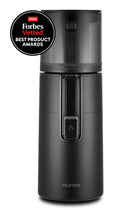
Pro Tip: Los extractores de prensado en frío de Hurom dan un jugo con sabor más limpio y una textura suave, ayudando a que los niños quieran consumir más verduras.

¿Por Qué las Verduras para Niños son Tan Importantes?
Antes de entrar en ideas y estrategias, vale la pena mirar el punto de partida real. No eres la única persona con este reto. En el CDC’s Early Childhood Nutrition Report 2025, se reporta que solo 49% de los niños de 1 a 5 años comen verduras al menos una vez al día.
Esa cifra ayuda a ponerle contexto a lo que ves en casa. No es “mi hijo es el único que no quiere”. Es un patrón común entre los niños. Y tiene impacto, porque en esta etapa las verduras son una forma práctica de sumar fibra y micronutrientes sin meter más azúcar.
También hay otro dato que muestra lo extendido del tema. En otro reporte del CDC con datos por estado en Estados Unidos, se indica que en 20 estados, más de la mitad de los niños no comieron una verdura a diario durante la semana previa.
Este mismo reporte también menciona que muchos niños toman bebidas azucaradas con frecuencia, lo cual compite con alimentos con mejor densidad nutricional.
Pero ahora ahondemos en lo importante, el por qué vale la pena insistir con calma:
Beneficios Físicos
Las verduras apoyan funciones que se notan en el día a día, como defensas y digestión. Pero vale la pena verlo un poco más en detalle:
-
Defensas más fuertes: Las verduras aportan vitaminas y compuestos que apoyan el sistema inmunológico. Eso no significa que nunca tendrán gripe, sino que tendrán mejores bases nutricionales en esa etapa tan sensible.
-
Digestión más regular por la fibra: Más verduras suelen traducirse en mejor tránsito intestinal y menos estreñimiento por tener una dieta baja en fibra.
-
Energía más estable: Un plato con fibra y volumen real ayuda a evitar picos por snacks muy dulces o bebidas azucaradas.
Beneficios de Desarrollo
Durante la infancia, el cuerpo está en pleno crecimiento y ajuste. Las verduras aportan nutrientes que acompañan ese proceso:
-
Crecimiento óseo y muscular: una dieta con buenos nutrientes sostiene el ritmo de crecimiento. UNICEF remarca el rol de nutrientes como vitamina A y hierro en la infancia.
-
Salud de dientes, piel y vista: aquí entran vitaminas como A y C, además de minerales, que se cubren mejor con variedad.
Beneficios de Hábitos
Más allá de los nutrientes, las verduras también influyen en cómo un niño se relaciona con la comida. Y ese efecto se construye con el tiempo, paso a paso:
-
Menos selectividad futura: Mientras más normal se vuelve ver verduras en la mesa, menos “raras” se sienten.
-
Mejor relación con la comida: Bajar la presión y subir la exposición repetida a las verduras, suele ser más efectivo que negociar o forzar. El CDC, por ejemplo, recomienda dar más oportunidades para probar un alimento de nuevo, y darlos con tiempo entre intentos, para no generar el efecto contrario.
Qué Nutrientes Aportan los Vegetales en los Niños (y Dónde se Encuentran)

Esta parte te ahorra ruido mental. No necesitarás memorizar todo, pero sí necesitas ubicar qué nutrientes suman las verduras y en qué alimentos aparecen, para rotarlos con facilidad en la dieta familiar.
Vitaminas Clave para Su Desarrollo
Las vitaminas en verduras ayudan a cubrir funciones básicas del crecimiento sin complicarte con reglas raras.
Veamos en detalle los beneficios de cada una:
Vitamina A: La vitamina A es importante para la visión normal, el sistema inmunitario, la reproducción, además del crecimiento y el desarrollo. Fuentes sencillas para que los niños la ingieran son: la zanahoria, la calabaza, y la espinaca.
Vitamina C (Ácido ascórbico): La vitamina C ayuda al cuerpo a absorber hierro y participa en los procesos de reparación de tejidos. En verduras, una de las fuentes más claras es el pimentón, además de brócoli y coliflor.
Folato: El folato ayuda al cuerpo a producir nuevas células sanguíneas y a mantener el corazón sano. Lo puedes cubrir con verduras de hoja, como espinaca baby, y con brócoli. Es un básico útil para rotar en la semana.
Vitamina K: El cuerpo necesita vitamina K para producir ciertas proteínas en el hígado que permiten la coagulación. Las fuentes más frecuentes para obtenerla son la espinaca y el kale.
Minerales que su Cuerpo Necesita cada Día
Los minerales sostienen los procesos diarios del cuerpo, desde los músculos hasta la energía. Veamos como es la mejor manera de obtenerlos:
Hierro vegetal: El hierro vegetal, o también llamado hierro no hemo, se encuentra en algunos vegetales como la espinaca y el brócoli. Y de hecho hay un ajuste simple que ayuda: acompáñalo con vitamina C para mejorar la absorción, por ejemplo, brócoli con pimentón rojo, un toque de jugo de limón en la comida o tomando un vaso de jugo de naranja con la misma.
Calcio vegetal: Se puede encontrar en el kale, el brócoli, el repollo y la coliflor, los cuales pueden aportar calcio vegetal dentro de una dieta variada.
Potasio: El organismo necesita potasio para casi todo su funcionamiento, incluido riñón y corazón, contracción muscular y transmisión nerviosa. Fuentes fáciles para obtenerlo: el pepino, la espinaca y el calabacín.
Magnesio: El magnesio regula la función de los músculos y el sistema nervioso, niveles de azúcar en sangre y presión sanguínea. También ayuda a formar proteína, masa ósea y ADN. Las hortalizas de hojas verdes son una fuente práctica.
Fibra y Fitonutrientes sin Complicarse
Aquí se juegan dos cosas que sí se sienten: la digestión y la variedad real en la semana. Pero veamos por qué:
Fibra dietética: Aquí se decide mucho del “cómo se sienten” las comidas: digestión, saciedad y microbiota. En niños selectivos, la fibra puede quedar corta sin que se note, porque tienden a elegir alimentos con menos volumen real.
Fitonutrientes por color: Yo lo manejo con una regla simple: entre más colores en la semana, más variedad de compuestos. Verde (hojas), naranja (zanahoria/calabaza), rojo (pimentón), blanco (coliflor). Rotar colores te evita quedarte siempre con lo mismo.
Y como referencia general, la OMS sugiere consumir más de 400 gramos diarios de frutas y verduras como parte de una alimentación saludable.
Pro tip: En casa no lo manejes como una meta rígida en gramos. Tómalo como una guía para recordar que las verduras tienen que aparecer a diario para mantener la dieta de los niños equilibrada e interesante para ellos.
¿Cuántas Verduras Necesita un Niño Según su Edad?
Antes de hablar de cantidades, conviene aterrizar una idea. La meta no es medir cada bocado, sino tener una guía simple para construir rutina y repetirla en la semana.
Una forma práctica es usar recomendaciones por “tazas” (cups) y traducirlas al plato. Por ejemplo, una guía clínica propone estas cantidades diarias de verduras:
-
2–3 años: 1 taza.
-
4–8 años: 1 ½ tazas.
-
9–13 años: 2 tazas en niñas y 2 ½ tazas en niños.
-
14–18 años: 2 ½ tazas en niñas y 3 tazas en niños.

Qué Es una Porción en la Vida Real
Lo que más ayuda en casa es saber qué cuenta como porción:
-
Su puño o media taza como referencia rápida.
-
1 taza de verduras puede ser: según MyPlate.gov, 1 taza de verduras crudas o cocidas, o 2 tazas de hojas crudas en ensalada.
-
Si haces jugo, 1 taza de jugo 100% vegetal también puede contar como 1 taza desde el punto de vista de equivalencias. En niños, igual conviene manejarlo como complemento, no como sustituto.
Plato Equilibrado sin Complicarte
Aquí funciona muy bien una regla visual. La mitad del plato va entre frutas y verduras, con prioridad a verduras. Luego, un cuarto de proteína y un cuarto de carbohidrato simple o integral. Esta estructura se usa mucho porque baja el margen de discusión. Además, te permite rotar verduras sin cambiar toda la comida.
El apetito cambia por etapa, actividad y cansancio. Por eso, piensa en el promedio semanal. Si un día salió poco, al siguiente puedes sumar con una crema, una salsa con verduras trituradas o una porción pequeña antes del plato fuerte.
Y si quieres un atajo, sirve primero una mini porción de verdura en el momento en que llegan con más hambre. Luego sigue el resto. En muchos niños, ese detalle cambia el resultado.
¿Por Qué a Tantos Niños no les Gustan las Verduras?
This point often feels personal, but it actually has well-known patterns. There's biology, there's environment, and there's emotion. When you see it this way, it's easier to adjust the strategy and lower the tension.
Biological Reasons
Children tend to prefer sweet things. That makes fruits, breads, and snacks feel "safer" to them from the first try. Additionally, several vegetables have natural bitterness, intense aromas, or textures that can be strange to them at first.
Also, food neophobia comes into play, which is that resistance to new things. At early ages, it's common for them to reject something several times before accepting it. As I mentioned previously, the CDC states it directly: many children need to try certain foods many times, and it helps to let days pass before reattempting.
Environmental Reasons
According to a study from the University of Pamplona in Colombia, if vegetables are almost never on the table, the child doesn't see them as "part of the meal." And if at school or other children make comments like "yuck," that idea quickly sticks.
In another study from the University of Cambridge, it is reported that the low frequency of offering at home and the example of adults influence consumption, and that changes in preparations from what they are used to also affect it.
Simply put, if it's visible and you also eat it, the battle with them to eat them too is reduced.
Emotional Reasons
Sometimes it's not the taste. It's control. At the end of the day, with tiredness, accumulated hunger, and overstimulation, many children cling to what's familiar. If they also feel pressure, they close off more.
This is where it's good to change the goal. Instead of "make them eat it," the goal becomes "make them see and try it without drama." This repeated exposure works better with calm and routine.
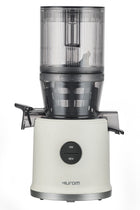
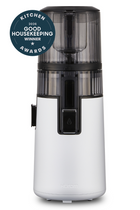
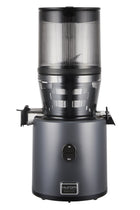
Pro Tip: Vegetable juices serve as a bridge to increase consumption in children. For this, Hurom cold press juicers such as models H310 and H200 are perfect, as they don't require cutting vegetables and are easier to clean, so older children can also use them. This way, it can become a healthy activity for all family members.
Real Tips for Getting Kids to Eat Vegetables Without a Fight
For this to work at home, it's a good idea to make small adjustments that you can repeat effortlessly. Here are the ones that usually pay off the most.
-
Change the format, not the ingredient: The same vegetable can be grated, in cream, in an omelet, or in a sauce. If one version fails, try another without insisting on the same dish.
-
Make it easy to execute: Have 2 or 3 "wild cards" ready for the week (a vegetable cream, a blended sauce, pre-made steamed vegetables). This avoids improvising when in a hurry.
-
Give limited options: Cucumber or carrot works better than opening twenty alternatives.
-
Use bridge mixtures in familiar foods: Pasta, rice, meatballs, homemade nuggets, savory muffins. The focus is to add and vary them, without forcing them.
-
Take care of the environment: If the child is tired, lower the difficulty. At those times, a "safe" vegetable is better than trying to introduce a new one.
-
Avoid shortcuts that are expensive: Dessert as a reward, blackmail, or comparisons usually increase resistance at the next meal.
The Best Vegetables for Children (and the Easiest for Juices)

If you want variety without complicating things, order the vegetables by "ease" and how they affect taste:
-
Mild and easy to repeat: Carrot, cucumber, zucchini, baby spinach, romaine lettuce.
-
Increase nutrients without overpowering: Red bell pepper, cauliflower, beetroot in small quantities.
-
For later stages: Broccoli and kale in small touches, within mixtures.
For juices, it usually works to stick with 2 mild bases that they already accept and rotate an "extra" vegetable per week. This way, you increase variety without every glass feeling like a test.
If you want ideas to vary them without complicating things, here is a list of vegetables that work well in juices and can be rotated depending on the stage.
And to avoid improvising, here is a selection of natural juices for children with simple ingredients that are easy to repeat at home.
Meal Ideas with Vegetables and How to Use the Remaining Pulp

The idea here is not to add new recipes, but to take advantage of meals you already make and adjust the way vegetables are incorporated for children. In that same plan, the remaining pulp after using your juicer can be your ally, because it adds real fiber without significantly changing the taste and also reduces waste.
Breakfasts
Start with mild and familiar formats:
-
Omelet with finely chopped vegetables.
-
Savory muffins with grated spinach or carrot.
-
Pancakes with vegetable pulp to add fiber without changing the base flavor.
If the pulp is too wet, squeeze it before mixing. Then, store small portions in the freezer to have them ready for a quick breakfast.
Lunches and Dinners
Here, it works to hide less and mix better:
-
Pasta with blended vegetable sauce.
-
Homemade nuggets with integrated broccoli or cauliflower.
-
Soups and colorful creams, with a consistent texture.
The pulp also fits well in:
-
Meatballs and homemade burgers.
-
Sauces for pasta or rice, to add body and fiber without "announcing" a new vegetable.
Snacks
Small, simple, and easy to repeat:
-
Vegetable sticks with hummus or mild dip.
-
Baked sweet potato or carrot chips.
-
Mini skewers with familiar combinations.
One adjustment that often helps: don't present too many options at once. A clear and visible snack is more likely to be eaten than a plate "full of things." And if you're going to use pulp, always mix it with flavors already accepted by children. This way, they integrate better into their diet without resistance.
Pro tip: If you often make a lot of juices at home, here are more ideas for reusing pulp without affecting the taste.
A Simpler Way to Add Vegetables for Children
Getting a child to eat more vegetables is not about insisting more forcefully. It's more about consistency, context, and practical choices. Small portions, familiar formats, smart mixtures, and a routine that doesn't tire them out.
Natural juices, when they contain mostly vegetables, can help. Pulp can become your ally to add fiber to your diet. And cold pressing makes all of this repeatable in your daily life.
Hurom has been working for decades to make adding fresh ingredients at home simpler. If you're looking for a practical way to integrate vegetables without complications, a juicer can help you maintain the habit with less effort. Check out our catalog and choose the best model for your entire family.
Frequently Asked Questions (FAQs)
What Are the Best Vegetables for Children?
The easiest ones are usually carrot, cucumber, zucchini, and baby spinach. They work well as a base and allow you to add others over time.
How to Get Children to Eat Vegetables?
With repeated exposure, varied formats, and no pressure. Consistency usually pays off more than insisting on a single meal.
What Are the Healthiest Juices for Children?
Those that contain mostly vegetables, little fruit, and are prepared with fresh ingredients, without added sugars.
How Many Times a Week Is It Okay to Give Juices with Vegetables?
It depends on the context. They can be used several times a week as a supplement, but not as a meal replacement.
Which Vegetables Taste Good in Juices Without Being Bitter?
Carrot, cucumber, zucchini, baby spinach, and romaine lettuce are usually the most palatable.
How Much Fruit Should Be Used in a Juice for Children?
Ideally, it should be used for flavor support, not as a base. Keeping it in a smaller proportion helps control sugar.