



Hispanic Heritage Month: 8 Drinks That Celebrate Flavor and Roots
agosto 14, 2025
One of the most fascinating things about exploring new cultures is discovering what they eat and drink. Not only for the taste, but for everything behind it. In the case of Hispanic heritage, traditional beverages are a direct gateway to their stories, rhythms, climates, and customs.
During Hispanic Heritage Month, there is a special opportunity to celebrate this diversity through everyday life: a homemade juice, a mix that sounds different but tastes familiar, a fruit you hadn't tried and now can't let go of.
This article is an invitation to prepare some of these recipes, to discover what makes them special, and why they continue to be an essential part of so many kitchens.
What is Hispanic Heritage Month?
Hispanic Heritage Month is a time to recognize the impact of Hispanic communities in the United States.
This includes not only historical or cultural aspects but also everyday life: the music we listen to, the words that creep into the language, and, of course, the food that fills kitchens and tables.
The interesting thing is that this commemoration does not focus on a single country but encompasses enormous diversity. Mexico, Colombia, Venezuela, Peru, El Salvador, Cuba, Dominican Republic… each region with its own traditions, ingredients, and ways of understanding the world.
And often, these differences are found right there: in a refreshing drink, in a recipe passed down from generation to generation.
When is Hispanic Heritage Month Celebrated?
Its origin dates back to 1968, when it began as a week-long celebration during Lyndon B. Johnson's presidency. Currently, Hispanic Heritage Month is celebrated from September 15 to October 15.
In fact, September 15 was not chosen at random, as it coincides with the independence days of countries such as Mexico, Guatemala, Honduras, El Salvador, Nicaragua, and Costa Rica. Throughout the month, Día de la Raza (October 12) is also remembered, further broadening the symbolic scope of this celebration.
In various cities across the United States, this period is filled with cultural activities, art, cinema, music, and, of course, gastronomy. It is an opportunity to get closer to a diverse community that has left its mark in every corner of the country.
Why is Hispanic Heritage Month Celebrated?
The objective is clear: to recognize the contribution of people with Hispanic roots. A contribution that is not minor, considering that this population exceeded 65 million in 2023, representing approximately 19-20% of the total U.S. population.
Beyond the numbers, what is celebrated is the cultural richness they bring. Linguistic diversity, artistic expressions, family traditions, and cuisine that is as much about flavor as it is about history. Understanding this also involves tasting what that culture offers.
And if Latin cuisine has one clear thing, it is that few things unite as much as a good shared drink.
How is Hispanic Heritage Month Celebrated?

Celebrating Hispanic Heritage Month does not have a single form. Some people participate in community events or cultural activities. Others live it at home, cooking family recipes or simply talking about their roots. But in all cases, there is something that repeats itself: food.
Gastronomy is a way to reconnect, to teach, to tell stories. And that is especially noticeable in beverages. There are flavors that travel with people, that adapt to new cuisines, but do not lose their essence. Often, these drinks maintain an authentic flavor that reflects the roots and rich tradition of each region.
Some ingredients may seem exotic, but as soon as you taste them, you understand why they continue to be part of the table. This variety of flavors is part of what makes Latin culture unique.
Gastronomy as a Symbol of Identity and Celebration
When it comes to heritage, few things represent it as well as food. Hispanic cuisine is a living reflection of centuries of history, a mix of cultures, indigenous knowledge, African traditions, and European influence. Each dish or drink tells a story: of a people, of a landscape, of a home.
Throughout Latin America, ingredients travel and transform: corn, sugarcane, dried spices, tropical fruits. From these come countless preparations that vary by country but share the same soul. From Andean chicha to Cuban coffee, from Caribbean guarapo to altiplano atoles, we are talking about a shared heritage.
Traditional Hispanic beverages, in particular, are part of these classic recipes that continue to be prepared in celebrations, family gatherings, or as part of daily life. And it's not just for taste: many have an ancestral origin, are made with the best locally available ingredients, and maintain a strong link to the cultural roots of each region.
Fruits, Herbs, and Superfoods with History
Guava, tamarind, mamey, lulo, dried hibiscus flowers, nopal… It's not just that they sound good or look pretty in a photo. These fruits and ingredients, to name just a few, have an ancestral use in Latin American cuisine.
Some are used in home remedies, others in party drinks, and several have real benefits that are now also of interest to science and the wellness world.
Many of these ingredients not only provide flavor: they also have properties that have made them valuable for generations. Here are some examples:
-
Guava: Rich in vitamin C and fiber, it helps strengthen the immune system and promotes intestinal transit.
-
Tamarind: Not only is it refreshing: it also provides antioxidant and anti-inflammatory properties, thanks to compounds like tannins and polyphenols that have been well studied.
-
Mango: Its mix of beta-carotenes and vitamin A makes it good for the skin, eyes, and immune system.
-
Pineapple: Contains bromelain, an enzyme that aids digestion and has anti-inflammatory properties.
-
Hibiscus flower: Helps regulate blood pressure, and several studies support its cardiovascular benefits.
-
Nopal: Helps regulate glucose and cholesterol, according to studies that analyze its impact on metabolism.
-
Mamey: Energetic and loaded with antioxidants; its content of beta-carotenes and vitamin C helps strengthen defenses, heal, and recover after physical activity or fatigue.
-
Lulo: Rich in vitamins and minerals, with digestive and immunological properties supported by its nutritional profile.
-
Passion fruit (parchita): Provides fiber and antioxidants, with digestive and circulatory benefits.
-
Coconut: Refreshing and rich in electrolytes; perfect for natural hydration.
-
Sugarcane / papelón / piloncillo: Source of energy with minerals like iron and potassium; unlike refined sugar, it offers more than empty calories.
-
Soursop (graviola): With a mild flavor and creamy texture, it is a tropical fruit highly valued in juices for its unique aroma and natural contribution of vitamin C and fiber.
-
Corn: Present in drinks such as atole, tejuino, or chicha, and in its fermented versions, it can provide natural probiotics that benefit the intestinal microbiota.
-
Cacao: Long before it was a dessert, it was medicine: it is a source of flavonoids and magnesium and is associated with benefits for the heart and mood.
-
Cinnamon: Traditionally used to relieve digestive discomfort, cough, and inflammation. A study in India confirmed that some of its compounds have antioxidant and therapeutic properties, something that popular wisdom already knew for generations.
A Bridge Between Traditional and Healthy
One of the most beautiful things about Hispanic-American beverages is that many of them were already healthy before that word became fashionable. But that doesn't mean they can't be reinvented.
Today, with a good juicer, it is possible to prepare versions that preserve the authentic flavor as always, but with less added sugar, more natural texture, and better use of nutrients.
It's not about "improving" the traditional. It's about adapting it without losing its character. Preparing a pineapple and orange smoothie or a coconut drink at home, with fresh ingredients and a careful process, is a way to take care of your body without ceasing to enjoy what matters most: the flavor... and that rich tradition that connects generations through taste and well-being.
8 Drink Recipes to Celebrate Hispanic Heritage Month
If there's one thing I love about traditional Latin drinks, it's how well they combine the simple with the special. You don't need to be an expert or have rare ingredients. Just a desire to try something different, with history, with authentic flavor.
These recipes are not only refreshing; they also have roots, Latin influence, and that touch that is only transmitted when we cook with memory. Some you can prepare in minutes, others require a little more care, but all are worth it:
1. Soursop Agua Fresca
Agua frescas are at the heart of Mexican and Central American cuisine. They are simple, tasty, and perfect for hot days.
This version with soursop of the traditional drink is very popular in tropical areas like southern Mexico, Guatemala, and El Salvador. Its flavor is creamy, fragrant, and with a tangy touch that makes it unforgettable.
Ingredients:
-
1 large, ripe soursop (peeled, deseeded)
-
1 liter of cold water (adjust depending on how light you prefer it)
-
Sweetener to taste
-
Ice (optional)
Preparation:
-
Remove the skin and seeds from the soursop.
-
Pass the pulp through your slow juicer.
-
Mix the juice with the water in a large pitcher. Sweeten to taste.
-
Serve well chilled, with ice if desired.
Pro tip: You can also try tamarind, mango, or hibiscus flower. Agua frescas are very versatile.
2. Horchata Water
If any drink represents Mexico, it's horchata. Made with rice, cinnamon, and milk, it's creamy, sweet, and spiced. This delicious drink has even crossed borders thanks to its comforting taste. Although it traditionally takes time to prepare, with a good juicer you can make a homemade version without the need to strain.

Ingredients:
-
1 cup long-grain white rice (soaked for 8 hours)
-
1 rama de canela (remojada junto con el arroz)
-
2 tazas de leche (entera o vegetal)
-
1 cdita de extracto de vainilla
-
½ taza de azúcar (ajusta al gusto)
-
2–3 tazas de agua fría
-
Hielo
Preparación:
-
Remoja el arroz y la canela al menos 8 horas.
-
Escurre el arroz, ponlo sin la canela en el extractor.
-
Mezcla el líquido con la leche, vainilla, azúcar y agua.
-
Enfría bien y serví con hielo.
Pro tip: ¿Prefieres una versión 100 % vegetal? Puedes usar leche de arroz, almendras o avena hechas en casa. Con un extractor Hurom, prepararlas es más fácil y limpio que nunca. Descubre cómo hacerlo en el siguiente video:
3. Papelón con Limón (Venezuela)
En Venezuela, esta bebida está en todas partes: playas, mercados, casas. El papelón con limón combina el dulzor de la panela con el jugo cítrico del limón, logrando algo equilibrado, refrescante y natural, haciendo de ella una de las bebidas hispanas tradicionales más queridas.
Ingredientes:
-
500 g de papelón (panela rallada o en bloque)
-
1.5 litros de agua (½ para disolver, 1 para mezclar)
-
4–5 limones pelados
-
Hielo al gusto
Preparación:
-
Disuelve el papelón con ½ litro de agua a fuego medio. Enfría.
-
Extrae el jugo de los limones con el extractor.
-
Mezcla el almíbar frío con el resto del agua y el jugo de limón.
-
Ajusta el sabor y sirve con hielo.
Pro tip: Agrégale menta o un poco de soda si quieres una versión burbujeante.
4. Lulada (Colombia)
Originaria de Cali, esta bebida no es jugo ni limonada: es lulada. Su ingrediente estrella es el lulo, una fruta andina con sabor entre kiwi y piña. La lulada es ácida, dulce y se sirve con trozos de fruta. Tiene textura, un toque de limón natural, y mucha personalidad.
Ingredientes:
-
8 lulos grandes maduros
-
3 limones medianos, pelados
-
100 g de azúcar (ajusta al gusto)
-
Agua fría al gusto
-
Hielo
-
Pulpa adicional de lulo (opcional)
-
Leche condensada (opcional)
Preparación:
-
Pela y corta los lulos. Reserva la mitad en trozos.
-
Extrae el jugo del resto con los limones.
-
Mezcla con agua y azúcar.
-
Añade los trozos de fruta y sirve con hielo.
-
Puedes agregar una cucharadita de leche condensada si te gusta más dulce.

5. Batido de Piña y Naranja (Puerto Rico)
Antes de que existieran los smoothies como los conocemos hoy, ya en Puerto Rico se preparaban batidos llenos de sabor tropical. Este, con piña y jugo de naranja fresco, es uno de los más clásicos. Refrescante, un poco cítrico y con cuerpo justo, es ideal para el desayuno o como merienda rápida.
Ingredientes:
-
1 taza de piña madura (pelada, en trozos medianos)
-
2 naranjas grandes, peladas (sin semillas ni parte blanca gruesa)
-
¼ taza de agua o leche (opcional)
-
Endulzante al gusto
-
Hielo
Preparación:
-
Pela y corta la piña y las naranjas.
-
Extrae el jugo con tu extractor.
-
Ajusta la textura con un poco de agua o leche si lo prefieres más ligero.
-
Endulza al gusto, mezcla bien y sirve con hielo.
6. Bebida Refrescante de Coco (Caribe Latino)
Esta mezcla cremosa y tropical es típica en distintas zonas del Caribe como República Dominicana, Puerto Rico y Panamá. No es una piña colada, pero se le parece: una mezcla de coco, leche y piña en una bebida dulce y suave, ideal para tardes calurosas o como postre ligero.
Ingredientes:
-
1 taza de leche (entera, evaporada o vegetal)
-
1 taza de sorbete de piña (o sorbete de coco)
-
½ taza de piña congelada
-
½ cucharadita de extracto de coco
-
Trozos de piña para decorar (opcional)
Preparación:
-
Deja que el sorbete se ablande un poco.
-
Pasa la piña congelada por el extractor.
-
Mezcla con la leche, el sorbete y el extracto de coco.
-
Sirve en vasos fríos y decora si te provoca.
Pro tip: Usa leche de coco para un sabor aún más tropical. Si prefieres algo más ligero, la leche de almendras casera también funciona muy bien.

7. Atole de Leche con Peras y Canela (México)
El atole es una bebida caliente que ha estado presente en la cocina mexicana por siglos. Esta versión lleva peras, canela y leche, lo que la hace ideal para las mañanas frías o como merienda reconfortante. Una receta con raíces culturales profundas, perfecta para compartir en familia.
Ingredientes:
-
4 tazas de leche (entera o vegetal)
-
1 palito de canela
-
2 peras maduras (peladas, en trozos medianos)
-
2 cucharadas de maicena
-
½ taza de agua (para disolver la maicena)
-
Endulzante al gusto (opcional)
-
Canela en polvo para decorar (opcional)
Preparación:
-
Extrae el puré de pera con tu extractor.
-
Calienta la leche con el palito de canela.
-
Agrega el puré de pera y mezcla bien.
-
Disuelve la maicena en agua fría y añádela poco a poco.
-
Cocina sin dejar de mover hasta que espese.
-
Sirve caliente con un toque de canela encima si quieres.
Pro tip: Las peras bien maduras dan un sabor más intenso sin necesidad de mucha azúcar.
8. Batido de Mamey (Caribe)
El mamey es una fruta tropical con pulpa naranja, dulce y suave. Es típico en lugares como Cuba, República Dominicana y Puerto Rico. Este batido, denso y lleno de sabor, es una exótica mezcla que funciona como desayuno completo o como un postre en versión líquida.
Ingredientes:
-
1 mamey maduro (pelado, sin semilla, en trozos)
-
1½ tazas de leche (entera o vegetal)
-
⅓ taza de leche condensada (ajustar al gusto)
-
2 tazas de hielo
-
1 cucharadita de extracto de vainilla
-
1 pizca de sal
-
1 pizca de canela
Preparación:
-
Corta el mamey y pásalo por el extractor.
-
Mezcla el puré con la leche, la leche condensada, la vainilla, la sal, el hielo y la canela.
-
Revuelve bien hasta que todo se integre.
-
Sirve frío y, si quieres, espolvorea un poco más de canela por encima.
Cómo Sacarle el Máximo Provecho a Estas Recetas
Preparar estas bebidas en casa tiene algo muy especial. Puedes elegir los ingredientes, ajustar sabores y, sobre todo, asegurarte de que lo que tomas está hecho con intención.
Pero más allá del gusto personal, hay detalles técnicos que también marcan la diferencia. La forma en que extraes el jugo, por ejemplo, influye muchísimo en la textura, el color y hasta el sabor final de cada receta.
Por Qué la Extracción Lenta Eleva Estas Bebidas
Muchos de los ingredientes que aparecen en estas recetas tienen algo en común: una textura densa, aromas marcados y componentes que se oxidan fácil si no los tratas con cuidado. Usar un extractor de prensado en frio cambia completamente el resultado.
A diferencia de las licuadoras tradicionales, este tipo de extractor trabaja a bajas revoluciones. Eso significa menos calor, menos espuma y menos oxidación. El jugo sale más estable, el color se mantiene vibrante y los sabores quedan intactos por más tiempo.
Además, como el proceso es más delicado, no maltrata la fruta y evita que el líquido quede arenoso o con residuos pesados.
También es una ventaja cuando quieres evitar colar, especialmente con bebidas como la horchata o el atole de pera. La textura que se logra con un buen extractor hace que no sea necesario ese paso adicional.
¿Qué Extractor te Recomiendo?
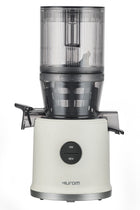
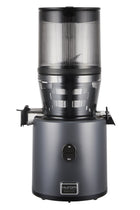
Si ya estás pensando en hacer estas recetas en casa con más frecuencia, vale la pena considerar un extractor lento que sea fácil de usar y limpiar. En mi experiencia, los extractores Hurom funcionan especialmente bien con este tipo de preparaciones.
Frutas tropicales como el mamey, jugos con pulpa como la lulada o bebidas más densas como el atole con pera se procesan sin problema. También va perfecto con clásicos como agua de tamarindo, jugo de guayaba o jugos cítricos con maracuyá o piña. E incluso combinaciones caseras con mango, pepino o hierbabuena.
Lo bueno es que puedes experimentar sin salirte de tu estilo ni de tus raíces culturales. Puedes mezclar ingredientes de tu región con nuevas ideas, darles un giro personal, o simplemente seguir explorando tus propias mezclas favoritas.
También es un plus si te gusta variar. Un día preparas un jugo suave con piña y naranja, y al siguiente, una bebida más cremosa con leche vegetal y extracto de vainilla. Con un buen extractor, todo fluye mejor, desde la preparación hasta la limpieza.

Redescubrir lo Tradicional También es Celebrar
Celebrating Hispanic Heritage Month doesn't have to be a grand or formal affair. Sometimes, the most meaningful things happen in the kitchen.
Preparing a drink that has history, that represents a community, is a simple (but powerful) way to honor those culinary traditions.
Even if you didn't grow up with these recipes, you can still make them part of your daily life. Many of them have been passed down from generation to generation, with that flavor that connects with family tradition and the pride of sharing what is your own.
These drinks are not just refreshing. They have cultural, family, and emotional value. And by preparing them with the best ingredients and techniques that respect their essence, such as slow extraction, you not only take care of what you drink, but also what it means.
When you care how you prepare something, you are also caring for what it represents. If you liked this selection of recipes, take a look at the Hurom juicers; they are perfect for continuing to explore Latin flavors with care and practicality.
Frequently Asked Questions
When is Hispanic Heritage Month?
Hispanic Heritage Month is celebrated from September 15 to October 15. It coincides with the independence dates of several Latin American countries and seeks to recognize the cultural, social, and economic contributions of Hispanic communities in the United States.
This celebration also highlights the vibrant influence that Hispanic culture has had in different areas, such as art, language, and gastronomy.
How Can I Celebrate Hispanic Heritage Month From Home?
You can start by preparing classic recipes, like the drinks I shared here. You can also read about the history of different countries, support Latino businesses, or watch movies and art by Hispanic creators. There's no need to do something big: the important thing is to approach a culture rich in traditions and cultural roots with respect and curiosity.
What Countries Are Part of Hispanic Heritage?
Hispanic heritage encompasses Latin American countries such as Mexico, Colombia, Peru, Venezuela, El Salvador, Guatemala, among many others, in addition to Spain. Each one has its own culture and history, language and gastronomy, which makes this celebration so diverse and special.
What Traditional Juices Represent Hispanic Culture?
Some examples include horchata (Mexico), papelón con limón (Venezuela), lulada (Colombia), and mamey smoothie (Caribbean). These are traditional Hispanic drinks with fresh ingredients and preparations that have been passed down from generation to generation as part of a family tradition.
What Are Some Typical Mexican Juices?
In addition to horchata, fresh waters of jamaica, tamarind, and guava are very popular. Smoothies with tropical fruits are also prepared, sometimes with milk or oats. These traditional drinks are usually served at family meals or celebrations.