




Jugo de repollo: beneficios para la salud, recetas y cómo prepararlo
julio 27, 2026
Puede que el repollo no sea el primer ingrediente que se te ocurra a la hora de hacer jugo, pero merece un poco más de atención.
Es económico, fácil de encontrar y está repleto de nutrientes valiosos. También puede aportar variedad a una rutina que la necesite. Y esto es bueno porque, según los CDC, uno de cada cinco adultos en EE. UU. reportó consumir vegetales menos de una vez al día.
Aún así, sé que el sabor puede parecer intimidante. Pero combinarlo con los ingredientes correctos puede marcar una gran diferencia.
En esta guía, te mostraré los beneficios del jugo de repollo, consejos de preparación y recetas fáciles para probar. Así que, sigue leyendo para que tu primer vaso sepa mucho mejor de lo que esperas.
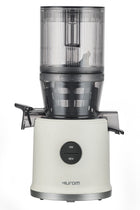
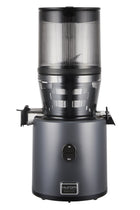
Consejo profesional: Un buen jugo de repollo comienza mucho antes de que des el primer sorbo. Por lo tanto, usar el extractor de jugos adecuado puede facilitar la preparación y ayudarte a aprovechar más cada hoja. Más adelante, te mostraré cómo Hurom ayuda a sacar el máximo provecho de cada lote.

¿Por qué hay tanta gente tomando jugo de repollo?
El jugo de repollo tiene muchas ventajas. Empieza con un vegetal económico, toma solo unos minutos prepararlo y te ofrece muchas formas de personalizar su sabor.
Considero que su valor principal reside en esa flexibilidad. Puedes mantenerlo ligero con pepino y limón, hacerlo más dulce con manzana o darle más calidez con jengibre fresco. Encaja bien en el desayuno, como refrigerio a media tarde o en cualquier momento en el que desees algo fresco y con un fuerte sabor a vegetales.
Aún así, beber jugo de repollo no es lo mismo que comer el repollo entero. La mayor parte de la fibra insoluble se queda en la pulpa durante el proceso de extracción.
Esto significa que el jugo puede añadir variedad a tu dieta, pero no debe reemplazar a los vegetales enteros.
¿Qué hace que el jugo de repollo sea bueno para ti?
El repollo pertenece a la familia de los vegetales crucíferos, junto con la col rizada (kale), el brócoli, la coliflor y las coles de Bruselas.
Según el Instituto Nacional del Cáncer, los vegetales crucíferos son ricos en nutrientes, incluidos varios carotenoides (betacaroteno, luteína y zeaxantina); vitaminas C, E y K; folato; y minerales.
Esto le da al jugo de repollo una base nutritiva, especialmente cuando se combina con otros productos frescos.
Por supuesto, ese perfil nutricional es solo parte del atractivo. En el uso diario, el jugo de repollo también ofrece algunos beneficios:
-
Una adición saludable a tu rutina: El repollo proporciona vitaminas y compuestos bioactivos que se encuentran naturalmente en los vegetales crucíferos. Los conoceremos más adelante.
-
Apoya una dieta equilibrada: Mezclar repollo con zanahorias, pepino, apio, cítricos o frutas añade más variedad a tu consumo de vegetales. Cada ingrediente aporta su propia mezcla de nutrientes y compuestos vegetales.
-
Ayuda con la hidratación: El repollo tiene un alto contenido de agua, por lo que su jugo ayuda a reponer líquidos. Puede complementar tu consumo diario de agua, aunque no debe reemplazar el agua natural.
-
Empieza con un vegetal bajo en calorías: El repollo es naturalmente bajo en calorías. Las manzanas, las zanahorias y la piña hacen que el jugo sea más dulce, pero también cambian su contenido de calorías y azúcares naturales.
-
Hace que el repollo sea fácil de incluir: Un extractor de jugo lento puede convertir una cabeza de repollo densa en una bebida suave en cuestión de minutos. Esto puede ser conveniente cuando buscas otra forma de usar el repollo más allá de las ensaladas, guarniciones y comidas cocinadas.
Jugo de repollo verde vs. repollo rojo
Puede que te sorprenda saber que el jugo de repollo no se limita a una sola variedad.
Tanto el repollo verde como el rojo funcionan bien, pero no producen el mismo sabor ni la misma apariencia:
-
Sabor: Si prefieres un sabor más ligero, el repollo verde es fresco, herbáceo y ligeramente picante. ¿Buscas algo un poco más profundo? El repollo rojo es más terroso y tiene un toque de dulzura natural.
-
Color: El repollo verde produce un jugo de color verde pálido o verde amarillento. Para un vaso más vibrante, elige el repollo rojo (también llamado morado), que crea un jugo de color violeta intenso que se vuelve aún más brillante cuando añades limón u otro ingrediente ácido.
-
Diferencias nutricionales: Ambas variedades proporcionan vitaminas C y K, minerales y glucosinolatos. Además de eso, el repollo rojo contiene antocianinas, los pigmentos naturales responsables de su color morado.
-
El mejor momento para usar cada uno: El repollo verde combina muy bien con pepino, apio, menta, manzana verde y limón. Si usas repollo rojo, intenta combinarlo con naranjas, zanahorias, manzanas rojas, bayas o piña.
Además, las notas más fuertes del repollo tienen una explicación natural. Como también afirma el Instituto Nacional del Cáncer, los glucosinolatos son sustancias químicas que contienen azufre, las cuales son responsables del aroma penetrante y el sabor amargo de los vegetales crucíferos.
Consejo profesional: Un sabor fuerte no significa que hayas hecho mal el jugo. Es posible que solo necesite un ingrediente más dulce, un poco de cítrico o algo fresco como el pepino.
¿Cuáles son los principales beneficios del jugo de repollo?
El jugo de repollo se vincula con todo tipo de beneficios para la salud en Internet. Algunos suenan prometedores, pero la investigación no respalda tratar la bebida como si fuera un medicamento.
La mayoría de los estudios se centran en vegetales crucíferos enteros o en compuestos específicos que se encuentran en ellos. La investigación basada en células de laboratorio o animales tampoco puede decirnos exactamente qué hará un vaso de jugo de repollo en el cuerpo humano.
Teniendo esto en cuenta, todavía existen varias razones basadas en evidencia para incluirlo en una dieta variada:
Puede complementar la salud digestiva
El repollo contiene tanto fibra soluble como insoluble en su forma entera. Como referencia, el repollo verde crudo proporciona 2 gramos de fibra por una porción de 84 gramos.
La extracción de jugo elimina gran parte de la fibra insoluble, aunque puede quedar algo de fibra soluble y pulpa fina. Si tu prioridad es la salud digestiva, el jugo de repollo puede complementar las frutas, vegetales, legumbres y granos enteros. No debería convertirse en tu fuente principal de fibra.
Proporciona compuestos bioactivos
Una cosa que hace que el repollo sea único son sus glucosinolatos naturales.
Como explica el Instituto Nacional del Cáncer, estos compuestos se descomponen a medida que preparas, masticas y digieres el repollo. Luego, forman compuestos biológicamente activos como indoles, nitrilos, tiocianatos e isotiocianatos.
Los investigadores todavía están estudiando qué pueden hacer estos compuestos para la salud general. Aun así, eso no significa que el jugo de repollo pueda curar problemas intestinales o cambiar el microbioma intestinal por sí solo.
También es bueno saber que el jugo de repollo fresco no es lo mismo que el repollo fermentado. Alimentos como el chucrut pueden contener bacterias de ácido láctico creadas durante la fermentación, mientras que el jugo de repollo crudo no es automáticamente una bebida probiótica.
Contiene antioxidantes que ayudan a proteger las células
Otra ventaja del repollo es su contenido de antioxidantes. Proporciona naturalmente vitamina C, carotenoides y otros compuestos vegetales.
El repollo rojo también contiene antocianinas, los pigmentos naturales que le dan su color morado. Juntos, estos antioxidantes ayudan a proteger tus células del daño causado por los radicales libres.
Los investigadores también han explorado compuestos de los vegetales crucíferos por sus propiedades antioxidantes y antiinflamatorias. Sin embargo, el Instituto Nacional del Cáncer señala que los estudios en personas han mostrado resultados mixtos.
Proporciona vitamina C para la función inmunológica
El jugo de repollo también puede ayudarte a añadir más vitamina C a tu dieta. Esta vitamina apoya la función inmunológica normal, actúa como antioxidante y también ayuda a tu cuerpo a producir colágeno, una proteína que se encuentra en la piel, los vasos sanguíneos, los cartílagos y otros tejidos conectivos.
Como punto de referencia, media taza de repollo cocinado proporciona 28 miligramos de vitamina C, o alrededor del 31% del valor diario, según la Oficina de Suplementos Dietéticos de los NIH.
Ten en cuenta que esta cifra se aplica al repollo cocinado, no al jugo. Por lo tanto, la cantidad en tu vaso variará según la variedad de repollo, cuánto utilices, su frescura, el tiempo de almacenamiento y cómo lo prepares.
Contiene vitamina K para la coagulación sanguínea y la salud ósea
Este jugo también puede contribuir con vitamina K, la cual ayuda a tu cuerpo a producir proteínas involucradas en la coagulación sanguínea normal y apoya el metabolismo óseo saludable.
Si tomas warfarina u otro anticoagulante sensible a la vitamina K, es importante mantener constante tu consumo de vitamina K. Un profesional de la salud puede ayudarte a entender cómo encaja el jugo de repollo en tu dieta.
Puede apoyar la salud del corazón como parte de una dieta equilibrada
Añadir más vegetales a tu rutina es una de las formas más sencillas de apoyar tu salud general, y el jugo de repollo puede ser parte de ese hábito. Por sí solo, no se ha demostrado que prevenga enfermedades cardíacas.
Como también declararon los CDC, los vegetales proporcionan nutrientes importantes, pueden ayudar a reducir el riesgo de muchas enfermedades crónicas y también pueden apoyar un control de peso saludable.
Solo recuerda: estos beneficios provienen de tu patrón de alimentación general. Los vegetales enteros, las frutas, las legumbres, los granos enteros, las grasas saludables y la actividad física regular juegan un papel importante.
Cómo hacer jugo de repollo que sepa bien

El jugo de repollo no tiene por qué saber a una ensalada líquida.
La clave es el equilibrio. Veamos cómo lograrlo:
Cómo hacer jugo de repollo
Este es el proceso que suelo seguir al hacer jugo de repollo:
-
Lava el repollo: Elimina las hojas exteriores dañadas y luego enjuágalo bajo agua corriente fría. Separa las hojas si hay tierra atrapada entre ellas.
-
Córtalo en trozos manejables: Corta el repollo en secciones que quepan cómodamente dentro de tu extractor. Una tolva de alimentación grande puede requerir menos cortes, pero las secciones más pequeñas son más fáciles de alternar con otros productos.
-
Introdúcelo gradualmente en el extractor: Añade el repollo poco a poco. Altérnalo con ingredientes jugosos o firmes como pepino, manzanas, apio o zanahorias para mantener todo fluyendo sin problemas.
-
Revuelve y prueba: La separación natural puede ocurrir a medida que el jugo reposa con algunos métodos de extracción. Dale una rápida vuelta, luego añade limón o lima si el sabor necesita más frescura.
-
Bébelo fresco o refrigéralo brevemente: Prefiero el jugo de repollo justo después de la extracción, cuando el sabor está más fresco. Si preparas de más, viértelo en un recipiente para jugo sellado, guárdalo en el refrigerador y disfrútalo dentro de las próximas 72 horas para obtener el mejor sabor y calidad.
Consejo profesional: Un extractor lento como los modelos Hurom hace que el proceso sea sencillo porque puede prensar hojas densas de repollo sin requerir agua adicional o una bolsa de tela.
¿Qué puedes mezclar con el repollo en el jugo?
El repollo combina mejor con ingredientes que aportan dulzura, acidez, frescura o un toque suave de especias. Solo necesitas una o dos adiciones para cambiar el sabor.
Estos son los mejores ingredientes para mejorar el sabor:
-
Manzanas: Añaden un dulzor suave sin enmascarar por completo el sabor a verdura. Las manzanas verdes crean una bebida ácida, mientras que las variedades rojas tienen un sabor más dulce.
-
Limón: Aviva el zumo y suaviza sus notas terrosas. Empieza con medio limón pelado y ajusta a partir de ahí.
-
Jengibre: Añade calidez y un final limpio y picante. Un trozo pequeño suele ser suficiente.
-
Apio: Mantiene la bebida sabrosa a la vez que aporta una cualidad fresca y ligeramente salada.
-
Pepino: Hace que el zumo de col sea más ligero, refrescante y menos intenso.
-
Zanahorias: Aportan dulzor natural y combinan especialmente bien con la col verde.
-
Menta: Le da al zumo un final fresco sin añadir azúcar.
-
Piña: Equilibra la col roja con un dulzor más intenso y una acidez suave.
No hace falta mucho para suavizar el sabor de la col. Una pequeña cantidad de manzana, zanahoria o piña puede marcar una gran diferencia.
Simplemente evita excederte, o el zumo podría terminar sabiendo más a fruta que a col.
Consejos sencillos para obtener mejores resultados
También recomiendo estos consejos para hacer un mejor zumo:
-
Alterna ingredientes blandos y firmes: Intercala las hojas de col con zanahorias, manzanas o apio. Esto ayuda a que el producto más blando pase por la licuadora de manera más uniforme.
-
Enfría los ingredientes primero: La col, el pepino y la fruta fríos producen una bebida refrescante sin necesidad de mucho hielo.
-
Ajusta el dulzor de forma natural: Empieza con media manzana o unos pocos trozos de piña. Prueba el zumo antes de añadir más.
-
Usa cítricos para reducir el amargor: El limón y la lima pueden hacer que la bebida resulte más alegre sin añadir mucho dulzor.
-
Empieza con una ración pequeña: De 120 a 180 ml son suficientes para tu primer vaso. La col y otras verduras crucíferas pueden causar gases o hinchazón en algunas personas.
7 recetas fáciles de zumo de col para probar
Si el zumo de col natural te parece un poco fuerte, estas recetas son un gran punto de partida. Combinan la col con ingredientes familiares para crear sabores que van desde los ligeramente dulces hasta los frescos y con marcado sabor a verdura.

1. Zumo clásico de col verde
Fresco, sabroso y ligeramente cítrico, esta receta mantiene la col como protagonista sin que el sabor sea demasiado intenso. El apio y el limón le dan un final más ligero que funciona bien para tu primer zumo de col.
Por qué funciona:
Los beneficios nutricionales de la col que ya conocemos son el corazón de este zumo. El apio aporta potasio, folato y vitamina K, y el limón contribuye con vitamina C adicional, creando una receta sencilla con una variedad de nutrientes.
Ingredientes:
-
¼ de col verde mediana
-
2 tallos de apio
-
½ limón, pelado
Instrucciones:
-
Lava bien la col y el apio.
-
Pela el limón.
-
Corta la col solo si las secciones son demasiado grandes para el orificio de entrada.
-
Introduce la col y el apio en la licuadora, alternándolos.
-
Añade el limón pelado al final.
-
Remueve, sirve inmediatamente y disfruta.
2. Zumo cítrico de col roja
Esta colorida mezcla combina la col roja terrosa con la naranja dulce y el limón brillante. El pepino lo mantiene ligero, mientras que los cítricos hacen que el sabor más fuerte de la col sea más agradable.
Por qué funciona:
Al igual que la verde, la col roja aporta vitaminas C y K, pero también contiene antocianinas, compuestos vegetales beneficiosos con propiedades antioxidantes. La naranja aumenta naturalmente el contenido de vitamina C, mientras que el pepino y el limón crean una combinación refrescante sin que el zumo sea demasiado afrutado.
Ingredientes:
-
¼ de col roja mediana
-
2 naranjas, peladas
-
½ pepino
-
½ limón, pelado
Instrucciones:
-
Lava la col y el pepino.
-
Pela las naranjas y el limón.
-
Corta la col si es necesario.
-
Alterna la col, las naranjas y el pepino en la licuadora de prensado en frío.
-
Añade el limón casi al final.
-
Remueve bien y sirve inmediatamente.
¿Sabías que...? Los cítricos pueden cambiar el color del zumo de morado intenso a un rosa más brillante. Se trata de una reacción natural que involucra a las antocianinas de la col roja.
3. Zumo de col, manzana y jengibre
La manzana dulce y el jengibre picante convierten a la col verde en un zumo equilibrado con un final limpio y cálido. Es un buen punto de partida si el zumo de col natural te resulta demasiado terroso.
Por qué funciona:
La col ya aporta lo suyo, así que esta receta añade aún más variedad. Las manzanas aportan polifenoles que ayudan a proteger las células del estrés oxidativo, mientras que el jengibre contiene gingeroles y otros compuestos estudiados por sus propiedades antiinflamatorias.
Ingredientes:
-
¼ de col verde mediana
-
2 manzanas, sin corazón
-
½ pepino
-
Un trozo de 2,5 cm de jengibre fresco
Instrucciones:
-
Lava bien todos los ingredientes.
-
Quita el corazón de las manzanas.
-
Corta la col y las manzanas solo si son demasiado grandes para el orificio de entrada.
-
Introduce la col en la licuadora, alternándola con manzana y pepino.
-
Añade el jengibre entre dos trozos de manzana.
-
Remueve y sirve fresco.
4. Mezcla verde detox
Este vibrante zumo verde equilibra las verduras de hoja verde con la cantidad justa de pera para obtener un sabor fresco y agradable. Aquí, "detox" es simplemente un guiño a la mezcla de ingredientes verdes y no una afirmación sobre la limpieza del cuerpo.
Por qué funciona:
Junto con los nutrientes de la col, la col rizada aporta carotenoides y vitaminas C y K, ayudando a apoyar la salud ocular, la función inmunológica y la salud ósea. La pera aporta polifenoles (sí, como ocurre con las manzanas), mientras que el perejil y el limón aumentan naturalmente el contenido de vitamina C de la receta.
Ingredientes:
-
⅛ de col verde mediana
-
1 pera madura, sin corazón
-
1 taza de hojas de col rizada
-
½ taza de perejil fresco
-
½ limón, pelado
Instrucciones:
-
Lava bien todos los productos.
-
Quita el corazón de la pera y pela el limón.
-
Corta la col y la pera si es necesario.
-
Introduce la col y la col rizada en la licuadora, alternándolas con trozos de pera.
-
Coloca el perejil entre ingredientes más firmes para ayudar a que pase suavemente.
-
Termina con el limón pelado.
-
Remueve y disfruta inmediatamente.
Consejo profesional: ¿Te gustan este tipo de combinaciones frescas y llenas de verduras? Si es así, puedes encontrar más ideas en nuestra colección de recetas de zumos verdes.
5. Zumo de zanahoria, col y manzana
La col terrosa, las zanahorias dulces y las manzanas crujientes se unen en este clásico también conocido como zumo CCA. La receta fue creada por Ana Machado, chef privada de la estrella de la NFL Nick Bosa, y ofrece un punto de partida fácil si eres nuevo en los zumos de verduras.
Por qué funciona:
La col sienta las bases, mientras que las zanahorias aportan betacarotenos para apoyar la salud ocular y la función inmunológica. Las manzanas ayudan a suavizar el sabor terroso de la col, creando un zumo bien equilibrado sin depender de edulcorantes añadidos.
Ingredientes:
-
⅓ de col mediana
-
2 zanahorias grandes
-
2 manzanas, sin corazón
Instrucciones:
-
Lava la col, las zanahorias y las manzanas.
-
Quita el corazón de las manzanas.
-
Corta cualquier ingrediente que sea demasiado grande para el orificio de entrada.
-
Alterna la col, las zanahorias y las manzanas en la licuadora de prensado en frío.
-
Remueve bien, sirve y disfruta.
Consejo profesional: Esta proporción hace una cantidad práctica para el hogar. Puedes reducir un poco la manzana si prefieres un sabor más marcado a verdura.
6. Zumo de pepino, menta y col
Si prefieres zumos más ligeros y refrescantes, esta mezcla es un gran lugar por donde empezar. El pepino y la menta lo mantienen fresco, la lima aviva cada sorbo y un toque de manzana suaviza los sabores más fuertes.
Por qué funciona:
El alto contenido de agua del pepino le da a este zumo una sensación ligera y refrescante. La menta aporta compuestos vegetales naturales junto con vitaminas A y C, mientras que la lima añade vitamina C para completar la mezcla.
Ingredientes:
-
⅛ de repollo verde mediano
-
1 pepino grande
-
1 manzana, sin corazón
-
10 hojas de menta fresca
-
½ lima, pelada
Instrucciones:
-
Lave bien todos los ingredientes.
-
Quite el corazón de la manzana y pele la lima.
-
Corte el repollo, el pepino o la manzana solo si es necesario.
-
Introduzca el repollo en el extractor de jugos, alternándolo con el pepino y la manzana.
-
Coloque las hojas de menta entre las secciones de pepino.
-
Agregue la lima al final.
-
Remueva y sirva inmediatamente.
Consejo profesional: Enfriar el repollo, el pepino y la manzana de antemano hace que esta receta sea especialmente refrescante sin necesidad de usar mucho hielo.
7. Jugo de piña y repollo morado
Si le gustan los jugos con un toque tropical, vale la pena probar esta mezcla. La piña aporta un dulzor natural al terroso repollo morado, mientras que el pepino y la lima añaden un acabado fresco que permite que cada ingrediente destaque.
Por qué funciona:
La piña es el ingrediente estrella aquí, ya que aporta vitamina C, manganeso y bromelina, una enzima que ayuda a descomponer las proteínas. Junto con los otros ingredientes, crea un jugo refrescante que es tan nutritivo como colorido.
Ingredientes:
-
¼ de repollo morado mediano
-
1½ tazas de trozos de piña fresca
-
½ pepino
-
½ lima, pelada
Instrucciones:
-
Lave el repollo morado, la piña, el pepino y la lima.
-
Quite la cáscara de la piña y pele la lima.
-
Corte cualquier ingrediente grande si es necesario.
-
Alterne el repollo morado con la piña y el pepino a través del extractor.
-
Termine con la lima pelada.
-
Remueva, sirva inmediatamente y disfrute.
Consejo profesional: Este es el jugo más dulce del grupo. Para una versión menos frutal, comience con una taza de piña y aumente la cantidad solo si el repollo sigue teniendo un sabor demasiado fuerte.
¿Por qué importa el tipo de extractor para el jugo de repollo?

El repollo es denso, tiene muchas capas y es fibroso. Esas cualidades lo hacen nutritivo, pero también pueden dificultar su extracción con el aparato equivocado.
Si utiliza una licuadora, esta trocea el repollo en lugar de separar el jugo de la pulpa. Si busca una bebida más suave, por lo general tendrá que colarla usted mismo, lo que añade un paso extra al proceso.
Un extractor centrífugo se encarga de esa separación por usted, pero su rotación a alta velocidad puede generar más espuma. Además, las hojas ligeras de repollo pueden rebotar antes de alcanzar las cuchillas.
Para una experiencia diferente, un extractor lento (slow juicer) prensa suavemente el repollo para separar el jugo de la pulpa sin añadir agua. Este método funciona especialmente bien con vegetales densos y facilita la combinación del repollo con ingredientes como zanahorias, manzanas, pepino, cítricos y jengibre.
Por qué es más fácil extraer jugo de repollo con un extractor lento
Esto es lo que hace que un extractor lento sea ideal para el repollo:
-
Maneja bien los vegetales densos: Un tornillo sinfín de movimiento lento prensa las hojas de repollo de manera constante sin necesidad de cuchillas de alta velocidad.
-
Produce un jugo más suave: La máquina separa la pulpa durante la extracción para obtener una textura más uniforme.
-
Crea menos espuma: El prensado a baja velocidad introduce menos aire en el jugo.
-
Aprovecha mejor el repollo: La presión constante extrae el líquido mientras envía la pulpa más seca al contenedor.
-
Funciona con vegetales variados: El repollo se puede extraer junto con zanahorias, manzanas, pepinos, cítricos y cualquier ingrediente que desee.
-
Hace que la preparación sea manejable: Las tolvas de alimentación automática reducen el trabajo manual y simplifican la preparación de jugos en grandes cantidades.
Con el equipo adecuado, extraer jugo de repollo resulta mucho menos complicado, incluso cuando la receta incluye productos con diferentes texturas. A partir de ahí, el mejor modelo dependerá de su nivel de pulpa preferido, la cantidad a preparar y la facilidad de limpieza.
Consejo profesional: Para el jugo de repollo, el Hurom H80 maneja vegetales densos y fibrosos con suavidad, mientras que el H400 es adecuado para mayores cantidades y utiliza un diseño "Easy Clean" sin colador que solo requiere enjuague. Ahora, si busca un jugo con mínima cantidad de pulpa, el H320 es una excelente opción.
Haga que el jugo de repollo sepa mejor desde el principio
Como puede ver, la forma más sencilla de disfrutar el jugo de repollo es incorporándolo poco a poco.
Por lo tanto, combínelo con frutas, cítricos, hierbas y otros vegetales hasta encontrar la combinación que más le guste. Comience con menos repollo si es principiante, pruebe mientras lo prepara y ajuste los sabores según sus preferencias.
Las recetas de esta guía le ofrecen mucha inspiración. Y con un extractor lento Hurom, el repollo se convierte en un ingrediente más para disfrutar. A partir de ahí, puede seguir probando nuevas combinaciones hasta encontrar sus favoritas.
Preguntas frecuentes
¿Cómo se puede hacer jugo de repollo en casa?
Lave el repollo, retire las hojas exteriores dañadas y córtelo solo si los trozos son demasiado grandes para su extractor. Introdúzcalo en un extractor lento, alternándolo con manzanas, zanahorias, pepino o apio. Remueva y sirva fresco.
¿Es bueno beber jugo de repollo?
El jugo de repollo puede aportar vitaminas C y K, carotenoides y glucosinolatos a una dieta equilibrada. Sin embargo, contiene menos fibra que el repollo entero, por lo que debe complementar los vegetales enteros en lugar de reemplazarlos.
¿Puede el jugo de repollo favorecer la salud estomacal?
El jugo de repollo tiene una larga historia de uso para las úlceras estomacales, pero la investigación disponible es limitada y antigua. El tratamiento actual de las úlceras puede incluir medicamentos para reducir el ácido estomacal y antibióticos para una infección por H. pylori. Sin embargo, el jugo de repollo no debe reemplazar estos tratamientos.
¿Puede el jugo de repollo formar parte de una dieta para el SII?
Depende de su tolerancia individual. Los vegetales crucíferos pueden causar gases o hinchazón en algunas personas, y los desencadenantes del síndrome del intestino irritable (SII) varían de una persona a otra. Por lo tanto, comience con una porción pequeña y consulte cualquier cambio dietético importante con un médico o nutricionista.
¿Qué se puede mezclar con jugo de repollo para mejorar su sabor?
Las manzanas, zanahorias, piña y naranjas añaden dulzor. El limón y la lima reducen las notas amargas, mientras que el pepino, el apio y la menta hacen que el jugo se sienta más ligero. El jengibre añade un toque cálido sin aumentar su contenido natural de azúcar.
¿Es diferente el jugo de repollo morado del jugo de repollo verde?
Sí. El jugo de repollo morado tiene un color más intenso, un sabor más terroso y pigmentos de antocianina. Mientras tanto, el jugo de repollo verde es más pálido y ligeramente más herbáceo. Ambas variedades proporcionan vitaminas C y K, además de glucosinolatos naturales.
¿Existen riesgos o efectos secundarios al beber jugo de repollo?
Algunas personas pueden experimentar gases, hinchazón o molestias digestivas. El repollo también contiene vitamina K, por lo que cualquier persona que tome warfarina debe mantener constante su consumo de vitamina K y hablar con un profesional de la salud antes de beberlo regularmente.
¿Cuál es el mejor momento para beber jugo de repollo?
No hay un mejor momento comprobado. Puede beberlo con el desayuno, entre comidas o acompañado de alimentos. Elija el momento que le resulte más cómodo para su digestión, especialmente si beber jugo de vegetales con el estómago vacío le causa molestias.